
Home/Knowledge Center/How To Choose A Micron Rating For Cartridge Filters
Selection GuideHow To Choose A Micron Rating For Cartridge Filters
Absolute versus nominal ratings, choosing from the stage you protect, and why rating drives change-out cost more than unit price.
A micron rating describes the size of particle the media is expected to retain, but the same number means different things depending on whether the element is rated absolute or nominal. An absolute rating is a retention figure the element is built to hold. A nominal rating is a design target and lets a share of particles through. Two cartridges printed with the same number can behave differently on the same duty for this reason.
- Absolute rated elements are specified where the next stage cannot tolerate a breakthrough
- Nominal rated elements are used for bulk solids removal where cost per cycle matters more
- Ask which basis a quoted rating uses before comparing two suppliers on price
Related product: HFMV Series High Flow Filter Cartridges
The rating is set by what sits downstream, not by the feed. Choose the coarsest rating the next stage tolerates, because every step finer costs differential pressure and shortens the run. Where a membrane rack sits downstream, the membrane supplier's guidance sets the ceiling.
- Identify the sensitive stage first: membrane, nozzle, pump seal or finished product
- Take the coarsest rating that protects it rather than the finest available
- Confirm the choice by logging differential pressure across a real run
Related product: PP Melt Blown Depth Filter Cartridges
A finer rating loads faster, so the run ends sooner and the labour bill rises even when the cartridge itself is cheap. Compare suppliers on cost per run rather than cost per element, and hold the housing and the flow constant while you test.
- Log clean differential pressure the day a new element goes in
- Change out at the recommended differential rather than the maximum
- Compare total cost across a full cycle including labour and downtime
Related product: PP Pleated Filter Cartridges
Where the feed carries a wide particle spread, a coarse stage ahead of the fine element usually costs less over a year than running the fine element alone. The coarse stage takes the bulk load and the fine element lasts long enough to be worth its price.
- Use a depth cartridge or bag ahead of a pleated element on a dirty feed
- Size the coarse stage so it, not the fine element, does the loading
- Keep both stages in the same change-out routine so neither is forgotten
Related product: String Wound Depth Filter Cartridges
Cartridges Mentioned Above
HFMV Series High Flow Filter Cartridges
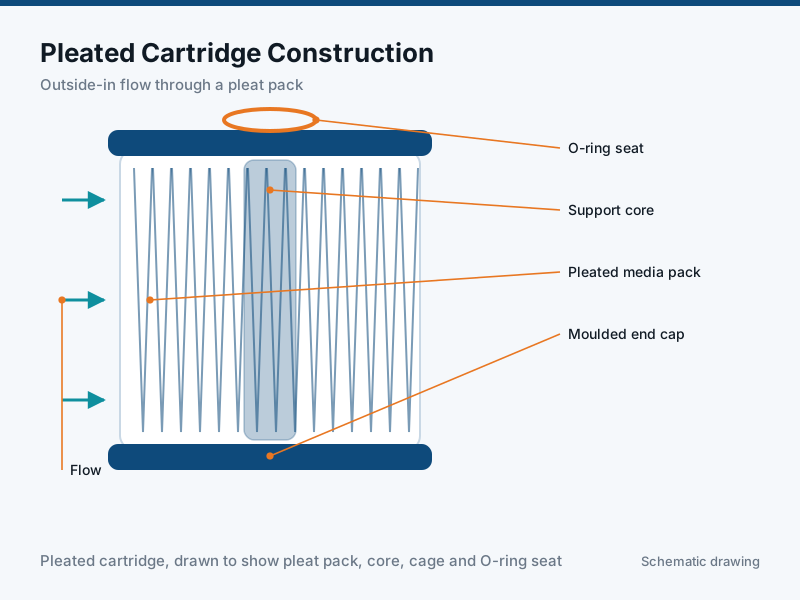
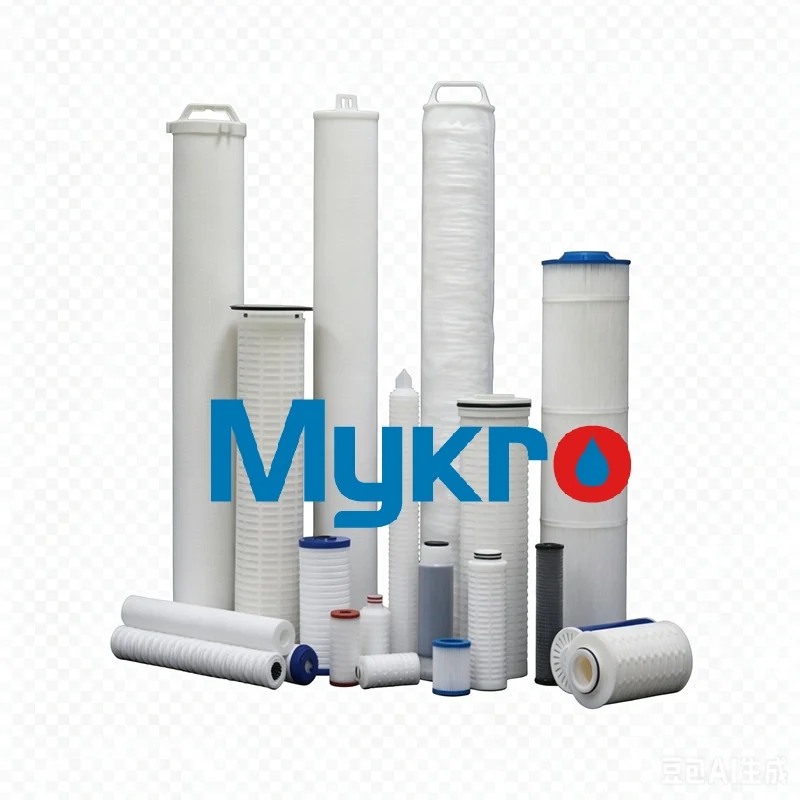
HFMV is a 6.5 inch large diameter high flow cartridge with a vertically pleated polypropylene pack, an inner core and an injection moulded outer cage.
View Specifications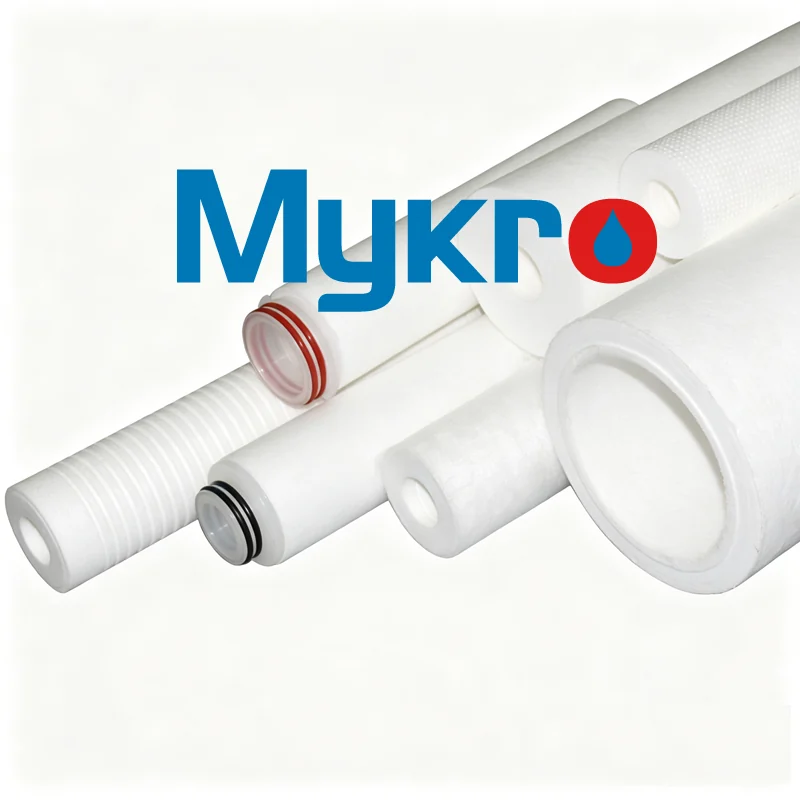
PP Melt Blown Depth Filter Cartridges
PP Melt Blown Depth Filter Cartridges are made from polypropylene fibers spun into a three dimensional network that captures particles throughout the
View Specifications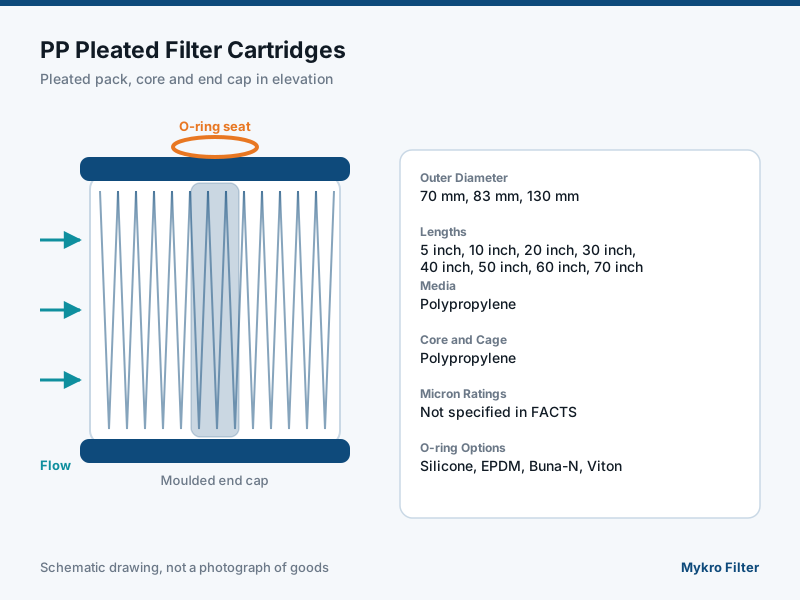
PP Pleated Filter Cartridges
PP pleated filter cartridges are depth pleated cartridges with a single piece full length polypropylene media pack, an inner core, and an injection mo
View Specifications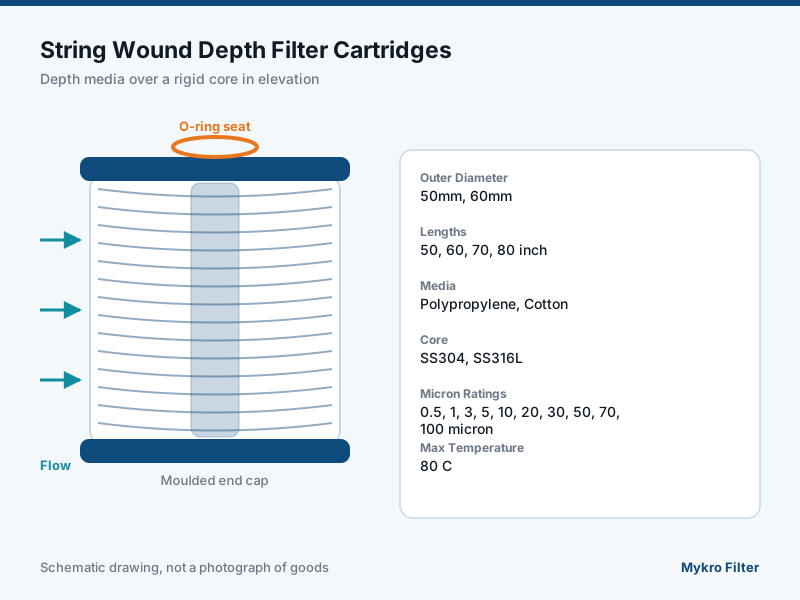
String Wound Depth Filter Cartridges
HFSW is a string wound depth filter cartridge with a continuous yarn structure that forms a graded density media pack.
View SpecificationsQuestions On This Topic
Is a lower micron number always better?
How do I compare an absolute rating with a nominal one?
Can I change rating without changing housing?
How do I know when to change the element?
Can I get a sample to trial a rating?
Still Deciding Between Two Options
Send your housing model, the fluid and what sits downstream. We will tell you which of the two we would fit and why.