
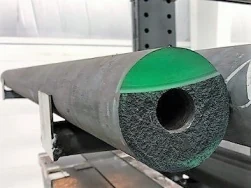
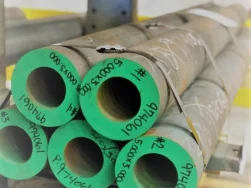
Gray Cast Iron Pipe
Gray cast iron pipe is produced from a controlled melt and poured into sand molds, resulting in a material with high compressive strength, good wear resistance and vibration damping. This makes it suitable for pressure and non-pressure applications where ductility is not required. Jialu stocks gray cast iron pipe across multiple international standards on one list, so a project requiring ISO 185 200, ASTM A48 No.30,
- High compressive strength and wear resistance for heavy-duty and abrasive service
- Vibration damping properties reduce noise and fatigue in rotating or reciprocating systems
- Single stock list covers ISO, ASTM, DIN, EN, JIS, UNI, NF, AS, SS, NS, UNF, NBN and BS standards
- Custom sizes available to match project-specific dimensions without tooling cost
Mill certificates issued against the ordered grade and standard. Third-party inspection available on request.
What This Material Is For
Gray cast iron pipe is produced from a controlled melt and poured into sand molds, resulting in a material with high compressive strength, good wear resistance and vibration damping. This makes it suitable for pressure and non-pressure applications where ductility is not required. Jialu stocks gray cast iron pipe across multiple international standards on one list, so a project requiring ISO 185 200, ASTM A48 No.30, DIN 1691 GG20 and EN 1561 EN-GJL-200 does not have to be split across separate foundries or inspection dates. Custom sizes are available to match project dimensions.
Why Buyers Choose It
- High compressive strength and wear resistance for heavy-duty and abrasive service
- Vibration damping properties reduce noise and fatigue in rotating or reciprocating systems
- Single stock list covers ISO, ASTM, DIN, EN, JIS, UNI, NF, AS, SS, NS, UNF, NBN and BS standards
- Custom sizes available to match project-specific dimensions without tooling cost
- One contract, one inspection and one shipment for mixed-standard projects across multiple regions
Where It Is Used
- Water and sewage pipelines in municipal infrastructure using ISO 185 200 and EN-GJL-200
- Industrial piping for low-pressure fluid transfer in chemical and food processing plants
- Foundry and machine base applications where vibration damping is critical
- Drainage and stormwater systems in urban and industrial zones
- Pump housings and valve bodies where wear resistance and dimensional stability are required
- Foundry components in machinery where high compressive strength and machinability are needed
Who It Is For
- Municipal contractors sourcing pipe for water and sewage networks with mixed international standards
- Industrial fabricators needing pump and valve bodies with consistent material properties
- Machine builders requiring vibration-damping components for heavy equipment bases
- Foundries and equipment manufacturers sourcing standard and custom gray iron castings
- Procurement engineers managing projects with multiple country-specific material callouts
Problems It Solves
- Splitting one pipe scope across multiple foundries due to standard mismatch, which multiplies inspection visits and shipment dates
- Delays caused by lack of availability in specific grades like ASTM A48 No.35 or DIN 1691 GG25
- Inconsistent material properties when sourcing from unverified suppliers across different regions
- Tooling and setup costs for custom sizes when no stock exists in the required dimension
- Late delivery due to long lead times when one foundry cannot meet the full scope of a mixed-standard project
Technical Features
- Cast from controlled melt with consistent chemical composition and graphite structure
- Standard grades cover compressive strength from 100 MPa to 350 MPa across all major international systems
- Sand casting process ensures dimensional stability and surface finish suitable for most applications
- Available in flanged, socketed, spigot and bell-and-spigot configurations for pipeline assembly
- Custom sizes and wall thicknesses available upon request to match project drawings
Grades Standards And Size Range
Values below come from the published product data. Anything not listed is confirmed per enquiry.
| ISO 185 grades | 100, 150, 200, 250, 300, 350 |
|---|---|
| China GB9439 grades | HT100, HT150, HT200, HT250, HT300, HT350 |
| USA ASTM A48 grades | NO.20, NO.25, NO.30, NO.35, NO.40, NO.45, NO.50, NO.55, NO.60 |
| Germany/Austria DIN 1691 grades | GG10, GG15, GG20, GG25, GG30, GG35, GG40 |
| European EN 1561 grades | EN-GJL-100, EN-GJL-150, EN-GJL-200, EN-GJL-250, EN-GJL-300, EN-GJL-350 |
| Japan JIS G5501 grades | FC100, FC150, FC200, FC250, FC300, FC350 |
| Italy UNI 5007 grades | G10, G15, G20, G25, G30, G35 |
| France NF A32-101 grades | FGL150, FGL200, FGL250, FGL300, FGL350, FGL400 |
| Spain UNF grades | FG15, FG20, FG25, FG30, FG35 |
| Australia AS 1830 grades | T150, T220, T260, T300, T350, T400 |
| Sweden SS 14 01 grades | O110, O115, O120, O125, O130, O135, O140 |
| Norway NS11 100 grades | SJG100, SJG150, SJG200, SJG250, SJG300, SJG350 |
| Size | Customized |
| End types | Flanged, socketed, spigot, bell-and-spigot |
| Production method | Sand casting |
Materials
- Gray cast iron with flake graphite structure for high compressive strength and wear resistance
- Carbon and silicon content controlled to meet standard compressive strength requirements
- No ductility or elongation required, so material is not heat-treated or alloyed
- Low-cost material suitable for non-structural and low-stress applications
- Machinable and dimensionally stable after casting, ideal for precision fitting
Manufacturing Route
Quality Control
- Chemical composition verified against the ordered grade and standard
- Mechanical properties tested for compressive strength and hardness
- In-house CNAS-certified laboratory conducts routine testing
- Third-party inspection available on request before shipment
- Mill certificates issued against the ordered specification and standard
Customisation Options
- Custom sizes and wall thicknesses available to match project drawings
- End types selected at order stage: flanged, socketed, spigot or bell-and-spigot
- OEM service accepted for branded or private-label marking
- Packing and marking arranged to suit destination port and inspection regime
- Mixed standards and grades allowed on one order to reduce sourcing complexity
How It Compares With The Alternatives
| Ductile iron pipe | Gray iron is cheaper and sufficient for low-pressure, non-ductile applications; ductile iron is better for high-pressure and impact service where elongation matters |
|---|---|
| Wrought iron pipe | Wrought iron is obsolete and not available in modern mills; gray iron is the standard replacement for low-pressure piping |
| Steel pipe | Steel is stronger and ductile but more expensive and prone to corrosion; gray iron is ideal where compressive strength and damping are key |
Buying Guide
- Start from the project’s material specification, then confirm the required compressive strength grade
- For international projects, state the standard (ISO, ASTM, DIN, EN, etc.) to ensure correct grade matching
- Send the size table and end type preference with the enquiry, as availability varies by diameter and wall thickness
- Book third-party inspection at order stage to avoid delays after production
- Specify whether the pipe is for pressure or non-pressure service to ensure correct grade selection
Questions About Gray Cast Iron Pipe
Which standards can you supply gray cast iron pipe against?
ISO 185, GB9439, ASTM A48, DIN 1691, EN 1561, JIS G5501, UNI 5007, NF A32-101, UNF, AS 1830, SS 14 01, NS11 100, and others.
Can one order mix different grades and standards?
Yes. Mixed-standard scope on one purchase order is standard practice here, which is why buyers consolidate with us instead of splitting across foundries.
Do you supply custom sizes?
Yes. Custom sizes and wall thicknesses are available upon request to match project drawings.
What certification backs the material?
The company holds ISO 9001, API Q1, PED, CE, API 5L, 5CT, 5DP, with an in-house CNAS-certified laboratory. Mill certificates are issued against the ordered specification.
Can we appoint our own inspector?
Yes. Third-party inspection is available on request and is best booked at order stage so the production schedule allows for it.
What payment terms and currencies do you accept?
L/C, T/T, PayPal and credit card, in USD, CAD, AUD, SGD, EUR or RMB.
Others Buy These On The Same Order
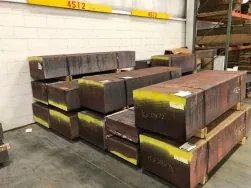 Ductile and Gray Cast Iron ProductsDuctile Cast Iron Plate
View specifications →
Ductile and Gray Cast Iron ProductsDuctile Cast Iron Plate
View specifications →
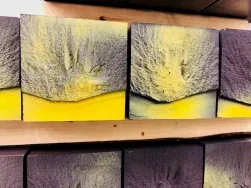 Ductile and Gray Cast Iron ProductsDuctile Cast Iron Square Bar
View specifications →
Ductile and Gray Cast Iron ProductsDuctile Cast Iron Square Bar
View specifications →
 Ductile and Gray Cast Iron ProductsDuctile Cast Iron Round Bar
View specifications →
Ductile and Gray Cast Iron ProductsDuctile Cast Iron Round Bar
View specifications →
 Ductile and Gray Cast Iron ProductsGray Cast Iron Plate
View specifications →
Ductile and Gray Cast Iron ProductsGray Cast Iron Plate
View specifications →Industries Solutions And Guides
Get Gray Cast Iron Pipe Quoted
Send the grade, size and quantity. Availability, price and lead time come back per line item.