
316 and 316L Stainless Steel Plate Sheet and Coil
Written for buyers and engineers who have to specify this material and defend the choice at inspection.
What The Grade Designation Actually Tells You
316 and 316L are both austenitic stainless steels with higher nickel content than 304, giving better corrosion resistance, especially in marine and chloride-rich environments.
The key difference is molybdenum content: 316 contains 2.0 to 3.0% molybdenum, which improves resistance to pitting and crevice corrosion. 304 has no molybdenum.
316L has a lower carbon content than 316, making it suitable for heavy gauge welded components where intergranular corrosion risk is higher.
- 316 - contains 2.0 to 3.0% molybdenum, better chloride resistance
- 316L - low carbon content, ideal for welding in thick sections
- Both have higher nickel than 304, improving general corrosion resistance
- Molybdenum enhances performance in high temperature and aggressive environments
- Not suitable for high temperature sulfuric acid environments due to molybdenum reactivity
Supply Condition Codes You Will See On The Certificate
The condition code after the grade indicates the processing method and mechanical properties. This affects weldability, formability and final strength.
For 316 and 316L, the most common conditions are hot rolled or cold rolled, depending on thickness and surface finish requirements.
- +HR - hot rolled, standard for medium to thick plates
- +CR - cold rolled, used for thin sheets and coils
- +A - annealed, relieves stress and improves ductility
- +S - solution annealed, standard for corrosion resistance
- +N - normalized, not typical for stainless but may appear in some processing
How To Choose Between 316 And 316L
Choose 316L when welding thick sections or when post-weld heat treatment is not possible. The low carbon content reduces the risk of carbide precipitation at grain boundaries.
Use 316 when the application does not involve heavy welding, or when maximum strength is required and welding is minimal.
- 316L for heavy gauge welded components
- 316 for non-welded or lightly welded parts
- 316L preferred in marine and chemical environments with high corrosion risk
- 316L avoids sensitization during welding, reducing intergranular corrosion risk
What We Supply Against This Standard
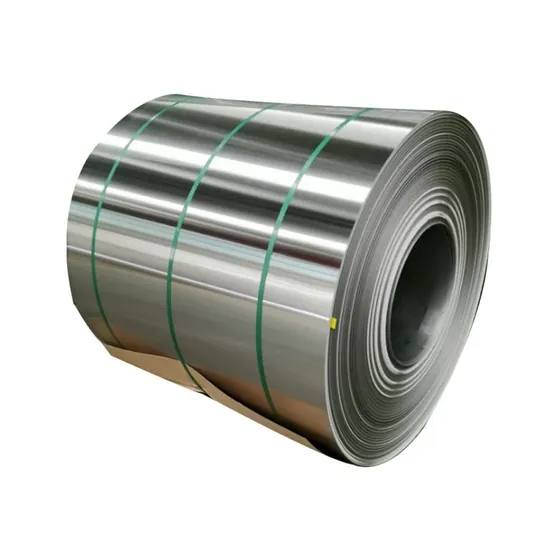
316 and 316L stainless steel plate, sheet and coil in hot rolled and cold rolled forms, suitable for high corrosion and high temperature environments.
Available in thicknesses from 0.02 mm to 100 mm, widths up to 2 m, and lengths up to 12 m or customised.
- Thickness range: 0.02 mm to 100 mm
- Width range: up to 2 m
- Length: 6 m, 12 m or customised
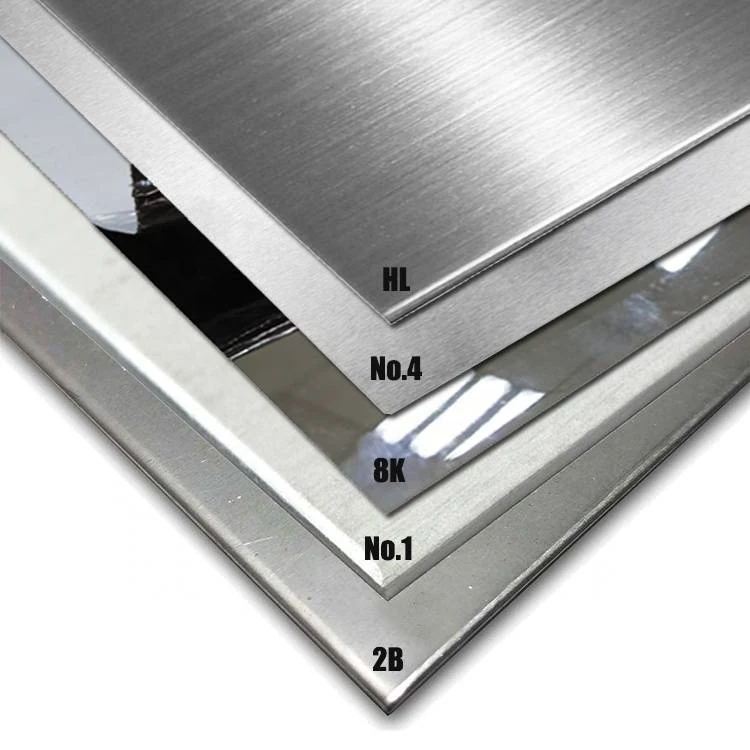
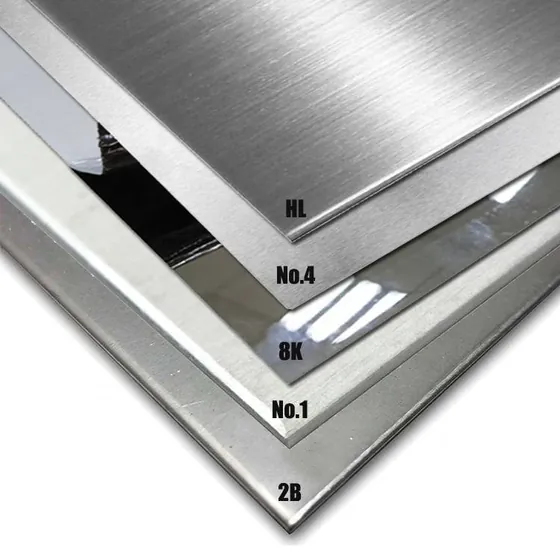
- Surface: mill finish, brushed, or polished on request
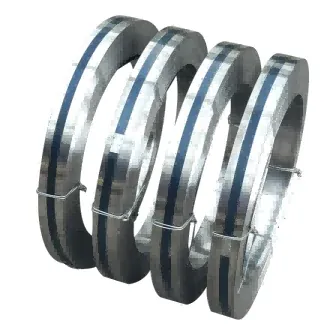
- Packing: standard sea packing, bundled with steel strip, marked for destination port
- Cutting: laser, plasma or CNC cutting available
Questions About 316 and 316L Stainless Steel Plate Sheet and Coil
What is the difference between 316 and 316L stainless steel?
316L has lower carbon content than 316, reducing the risk of intergranular corrosion in welded thick sections. 316 is used where welding is minimal.
Can 316L be used in place of 316 for welding?
Yes. 316L is preferred for heavy gauge welding due to its low carbon content, which minimises sensitisation and intergranular corrosion.
What thickness range do you supply?
0.02 mm to 100 mm, with widths up to 2 m and lengths of 6 m, 12 m or customised.
Do you offer cutting services?
Yes. Laser, plasma and CNC cutting are available to match your part geometry, reducing shop time.
Is the material suitable for marine environments?
Yes. 316 and 316L have molybdenum content that provides excellent resistance to chloride-induced pitting and crevice corrosion.
What testing is performed on the material?
Chemical analysis, mechanical testing, and ultrasonic testing are performed, with results issued on the mill certificate.
How is the material packed for sea freight?
Standard sea packing, bundled with steel strip, with markings arranged to suit the destination port.
Need This Grade Quoted
Send the size table and quantity. Availability and price come back per line item with mill certificates against the ordered standard.