
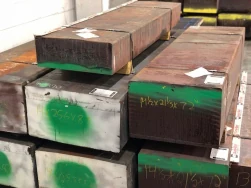
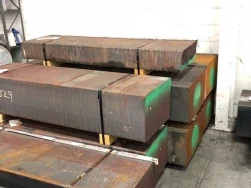
Gray Cast Iron Plate
Gray cast iron plate is produced from a single melt and solidified into a flat form, offering consistent hardness and wear resistance across the surface. This makes it suitable for applications where surface integrity and dimensional stability matter, such as machine bases, engine blocks, and pump housings. Jialu holds a broad range of gray cast iron grades across ISO, GB, ASTM, DIN, EN, JIS, and other international
- Single-source supply across ISO, GB, ASTM, DIN, EN, JIS, and other international standards, reducing sourcing complexity
- Consistent hardness and wear resistance across the plate surface due to controlled solidification
- Custom size availability to match exact drawing dimensions without rework or machining
- No need to split one project across multiple foundries or mills, which reduces inspection points and shipment dates
Mill certificates issued against the ordered grade and standard. Third-party inspection available on request.
What This Material Is For
Gray cast iron plate is produced from a single melt and solidified into a flat form, offering consistent hardness and wear resistance across the surface. This makes it suitable for applications where surface integrity and dimensional stability matter, such as machine bases, engine blocks, and pump housings. Jialu holds a broad range of gray cast iron grades across ISO, GB, ASTM, DIN, EN, JIS, and other international standards on one stock list, so a project requiring HT250 for a pump body, EN-GJL-250 for a gearbox housing, and GG20 for a bearing bracket does not need to be split across multiple foundries or inspection cycles. Custom sizes are available to match the exact drawing requirements.
Why Buyers Choose It
- Single-source supply across ISO, GB, ASTM, DIN, EN, JIS, and other international standards, reducing sourcing complexity
- Consistent hardness and wear resistance across the plate surface due to controlled solidification
- Custom size availability to match exact drawing dimensions without rework or machining
- No need to split one project across multiple foundries or mills, which reduces inspection points and shipment dates
- Third-party inspection can be arranged before shipment, avoiding delays after arrival
Where It Is Used
- Machine tool bases and frames requiring HT200 or HT250 for vibration damping and rigidity
- Pump and valve casings using EN-GJL-250 or GG25 for corrosion resistance and machinability
- Engine blocks and cylinder heads in automotive and industrial applications using ASTM A48 No.30 or No.35
- Gearbox housings in heavy machinery using DIN 1691 GG20 or GG25 for dimensional stability
- Foundry components in mining and construction equipment using ISO 185 250 or 300 for wear resistance
- Industrial equipment frames using JIS G5501 FC200 or FC250 where machinability and cost are key
Who It Is For
- Machinery manufacturers sourcing plates for multiple components with mixed international standards
- Foundry buyers needing consistent gray iron grades across different project phases
- Industrial equipment fabricators who require custom sizes without additional machining
- Export-focused OEMs who need one supplier for mixed-standard cast iron components
Problems It Solves
- Splitting one project across multiple foundries due to grade or standard limitations
- Inconsistent hardness or surface quality when sourcing from multiple suppliers
- Delays caused by waiting for multiple inspection reports from different mills
- High machining costs when standard plate sizes do not match component drawings
- Uncertainty in material traceability when grades are not clearly mapped to international standards
Technical Features
- Production from molten iron with controlled cooling to ensure consistent microstructure
- Grade coverage across ISO 185, GB 9439, ASTM A48, DIN 1691, EN 1561, JIS G5501, UNI 5007, NF A32-101, UNF, AS 1830, SS 14 01, NS 11 100, and other regional standards
- Standard hardness range from 150 HB to 300 HB depending on grade and section thickness
- Surface finish suitable for direct machining without additional grinding or polishing
- Available in thicknesses from 10 mm to 200 mm, with widths and lengths customized to drawing
Grades Standards And Size Range
Values below come from the published product data. Anything not listed is confirmed per enquiry.
| ISO 185 Grades | 100, 150, 200, 250, 300, 350 |
|---|---|
| China GB9439 Grades | HT100, HT150, HT200, HT250, HT300, HT350 |
| USA ASTM A48 Grades | No.20, No.25, No.30, No.35, No.40, No.45, No.50, No.55, No.60 |
| Germany/Austria DIN 1691 Grades | GG10, GG15, GG20, GG25, GG30, GG35, GG40 |
| European EN 1561 Grades | EN-GJL-100, EN-GJL-150, EN-GJL-200, EN-GJL-250, EN-GJL-300, EN-GJL-350 |
| Japan JIS G5501 Grades | FC100, FC150, FC200, FC250, FC300, FC350 |
| Italy UNI 5007 Grades | G10, G15, G20, G25, G30, G35 |
| France NF A32-101 Grades | FGL150, FGL200, FGL250, FGL300, FGL350, FGL400 |
| Spain UNF Grades | FG15, FG20, FG25, FG30, FG35 |
| Australia AS 1830 Grades | T150, T220, T260, T300, T350, T400 |
| Sweden SS 14 01 Grades | O110, O115, O120, O125, O130, O135, O140 |
| Norway NS 11 100 Grades | SJG100, SJG150, SJG200, SJG250, SJG300, SJG350 |
| Thickness Range | 10 mm to 200 mm |
| Width and Length | Customized to drawing dimensions |
| Surface Finish | Machinable, no additional grinding required |
Materials
- Gray cast iron with flake graphite structure for vibration damping and wear resistance
- High-carbon iron with controlled silicon content to stabilize the graphite formation
- Low-alloy variants where enhanced hardness or machinability is required
- Standard grades suitable for general industrial use, such as HT200 and GG25
- Higher-strength grades like HT300 and EN-GJL-300 for heavy-duty applications
Manufacturing Route
Quality Control
- Chemical composition verified against the ordered standard using spectrometric analysis
- Mechanical properties tested for hardness, tensile strength, and elongation
- In-house CNAS-certified laboratory performs routine testing
- Third-party inspection available on request before shipment
- Mill certificates issued per purchase order, referencing the specified standard and grade
Customisation Options
- Plate thickness, width, and length customized to exact drawing dimensions
- Grade selected per component requirement, allowing mixed standards on one order
- OEM service accepted for branding, marking, and packaging
- Packaging tailored to destination port and logistics method
How It Compares With The Alternatives
| Ductile iron plate | Gray iron is cheaper and better for vibration damping; ductile iron offers higher tensile strength and impact resistance where toughness is critical |
|---|---|
| Steel plate | Gray iron is lighter and better for damping; steel offers higher strength and is preferred in high-stress structural applications |
| Aluminum plate | Gray iron is more wear-resistant and cost-effective for heavy-duty components; aluminum is lighter but less durable under abrasion |
Buying Guide
- Start from the component’s function—damping, wear, or rigidity—to select the appropriate grade
- Confirm the required standard (e.g., ASTM A48, EN-GJL-250) based on the project’s country or code
- Provide the exact dimensions in the enquiry, as availability varies by thickness and size
- State the application environment (e.g., high wear, vibration, or corrosive) so the right grade is recommended
- Request third-party inspection at order stage to avoid delays after shipment
Questions About Gray Cast Iron Plate
Which international standards do you supply gray cast iron plate against?
ISO 185, GB 9439, ASTM A48, DIN 1691, EN 1561, JIS G5501, UNI 5007, NF A32-101, UNF, AS 1830, SS 14 01, NS 11 100, and other regional standards.
Can one order include multiple grades and standards?
Yes. Mixed-grade and mixed-standard scope on a single purchase order is standard practice here.
Are custom sizes available?
Yes. Thickness, width, and length can be customized to match your drawing dimensions.
What certification supports the material?
The company holds ISO 9001, API Q1, PED, CE, and API 5L, 5CT, 5DP, with an in-house CNAS-certified laboratory. Mill certificates are issued per order.
Can we appoint our own inspector?
Yes. Third-party inspection is available on request and is best booked at order stage.
What payment terms and currencies do you accept?
L/C, T/T, PayPal, and credit card, in USD, CAD, AUD, SGD, EUR, or RMB.
Others Buy These On The Same Order
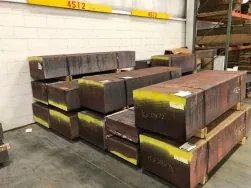 Ductile and Gray Cast Iron ProductsDuctile Cast Iron Plate
View specifications →
Ductile and Gray Cast Iron ProductsDuctile Cast Iron Plate
View specifications →
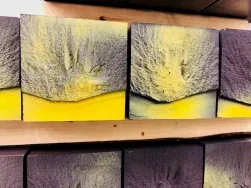 Ductile and Gray Cast Iron ProductsDuctile Cast Iron Square Bar
View specifications →
Ductile and Gray Cast Iron ProductsDuctile Cast Iron Square Bar
View specifications →
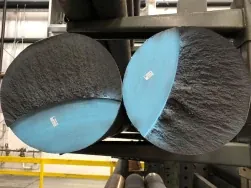 Ductile and Gray Cast Iron ProductsDuctile Cast Iron Round Bar
View specifications →
Ductile and Gray Cast Iron ProductsDuctile Cast Iron Round Bar
View specifications →
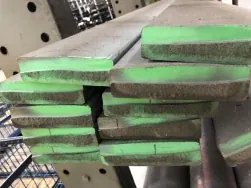 Ductile and Gray Cast Iron ProductsGray Cast Iron Rectangle Bar
View specifications →
Ductile and Gray Cast Iron ProductsGray Cast Iron Rectangle Bar
View specifications →Industries Solutions And Guides
Get Gray Cast Iron Plate Quoted
Send the grade, size and quantity. Availability, price and lead time come back per line item.