
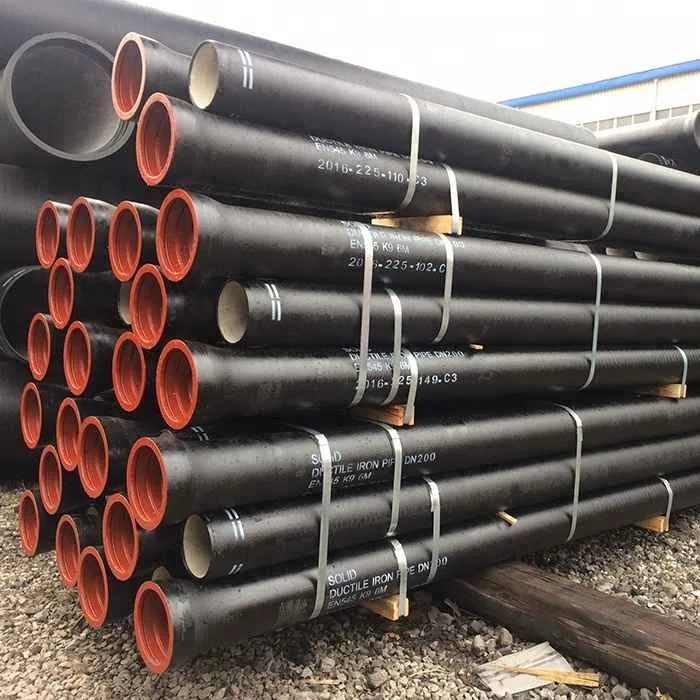
Ductile Iron Pipe
Ductile iron pipe is cast with nodular graphite, which prevents crack propagation and gives it tensile strength and elongation far beyond gray iron. This matters in underground installations where ground movement, traffic loading or soil settlement can induce bending stress. Jialu stocks T-type, K-type and self-restrained joint pipes across the ISO2531, EN545, EN598 and ISO7186 standards, so a water main project need
- Nodular graphite structure gives tensile strength and elongation superior to gray iron, reducing failure risk under ground movement
- T-type, K-type and self-restrained joint options available to suit installation method and pressure class
- Internal and external coatings available to match service environment, including cement mortar, epoxy and bitumen
- Standard coverage spans water supply, sewage, drainage and irrigation applications across multiple international codes
Mill certificates issued against the ordered grade and standard. Third-party inspection available on request.
What This Material Is For
Ductile iron pipe is cast with nodular graphite, which prevents crack propagation and gives it tensile strength and elongation far beyond gray iron. This matters in underground installations where ground movement, traffic loading or soil settlement can induce bending stress. Jialu stocks T-type, K-type and self-restrained joint pipes across the ISO2531, EN545, EN598 and ISO7186 standards, so a water main project needing pressure pipe for potable water, sewage for gravity flow and drainage outside buildings can be sourced on one contract, one inspection and one shipment. All joint types and coating options are available from DN80 to DN2600mm.
Why Buyers Choose It
- Nodular graphite structure gives tensile strength and elongation superior to gray iron, reducing failure risk under ground movement
- T-type, K-type and self-restrained joint options available to suit installation method and pressure class
- Internal and external coatings available to match service environment, including cement mortar, epoxy and bitumen
- Standard coverage spans water supply, sewage, drainage and irrigation applications across multiple international codes
- One contract can include mixed joint types, coating options and pressure classes, reducing sourcing complexity
Where It Is Used
- Potable water transmission lines in municipal water systems using ISO2531 or EN545 standards
- Sewage gravity mains in urban districts using EN598 or ISO7186 for non-pressure applications
- Drainage systems outside buildings with ISO7186-compliant pipe and rubber seals
- Irrigation networks in agricultural zones requiring corrosion-resistant pipe with cement mortar lining
- High-pressure water mains in industrial sites using K9 or C100 class pipe with fusion bonded epoxy coating
Who It Is For
- Municipal water authorities sourcing mixed-pressure and mixed-application pipe for city-wide networks
- Civil contractors building sewage and drainage systems with multiple joint types and coating requirements
- Irrigation project managers needing corrosion-resistant pipe for long-term outdoor use
- Industrial plant engineers specifying pipe for water supply and drainage with varying pressure and coating needs
- Procurement teams consolidating pipe, fittings and accessories from one supplier to avoid split orders
Problems It Solves
- Splitting one project across multiple mills or suppliers due to differing joint types, coatings or standards
- Delays caused by waiting for separate inspections and shipments for pressure, sewage and drainage pipe
- Mismatched joint types or coating systems when sourcing from different vendors with no unified specification
- Inconsistent quality or certification when buying from multiple small foundries without traceable documentation
- Late substitutions when one supplier cannot deliver a specific class, size or coating within the project window
Technical Features
- T-type push-on, K-type, and self-restrained joint configurations available for different installation methods
- Class ratings from K7 to C100 and EN545/EN598 equivalents cover low to high-pressure applications
- Internal linings include Portland cement mortar, sulphate-resistant cement mortar, high-aluminum cement mortar, fusion bonded epoxy and liquid epoxy
- External coatings include zinc + bitumen, fusion bonded epoxy, and zinc-aluminum alloy + liquid epoxy
- Sizes range from DN80 to DN2600mm, with lengths of 6m, 5.7m or customized to order
- Mechanical properties exceed gray iron in tensile strength, yield strength and elongation
- Chemical composition optimized for nodular graphite formation, with controlled carbon, silicon, magnesium and sulfur levels
Grades Standards And Size Range
Values below come from the published product data. Anything not listed is confirmed per enquiry.
| Joint Type | T-type (Push-on), K-type, Self-Restrained |
|---|---|
| Standards | ISO2531, EN545, EN598, ISO7186, ISO4179, ISO8179, ISO4633, ISO8180 |
| Pressure Class | K7, K8, K9, K10, K11, K12, C25, C30, C40, C50, C64, C100, EN545, EN598 |
| Size Range | DN80 to DN2600mm (T-type), DN1200 to DN2600mm (K-type), DN80 to DN1600mm (Self-Restrained) |
| Length | 6m, 5.7m, or customized |
| Internal Coating | Portland cement mortar, sulphate-resistant cement mortar, high-aluminum cement mortar, fusion bonded epoxy, liquid epoxy, black bitumen |
| External Coating | Zinc + bitumen, fusion bonded epoxy, zinc-aluminum alloy + liquid epoxy |
| Tensile Strength | ≥420 MPa |
| Yield Strength | ≥300 MPa |
| Bending Strength | ≥590 MPa |
| Elongation | ≥10% |
| Chemical Composition | C 3.5-4.0%, Si 1.9-2.6%, Mn 0.15-0.45%, P ≤0.06%, S ≤0.02%, Mg 0.03-0.06% |
Materials
- Ductile cast iron with nodular graphite for high strength and ductility
- Gray iron for non-pressure or low-stress applications where cost is the primary driver
- Steel pipe for high-pressure or high-temperature service where ductile iron is not suitable
- Cement mortar linings for internal corrosion protection in water and sewage service
- Fusion bonded epoxy and liquid epoxy coatings for enhanced chemical and abrasion resistance
Manufacturing Route
Quality Control
- Chemical composition verified against the ordered specification using in-house testing
- Mechanical properties tested for tensile, yield and bending strength per standard
- Internal and external coatings inspected for thickness, adhesion and continuity
- Joint fit and alignment tested to ensure proper assembly under installation conditions
- Third-party inspection available on request, with options to book before shipment
- Mill certificates issued against the ordered standard and class, including test results
Customisation Options
- Joint type, class, size and coating selected per line item, so one order can mix T-type, K-type and self-restrained joints
- Internal and external coatings specified to match service environment, including custom formulations
- Lengths cut to 5.7m or customized to project requirements
- OEM service accepted, including private labeling and custom marking
- Packaging and marking arranged to suit destination port and inspection regime
How It Compares With The Alternatives
| Gray iron pipe | Ductile iron has higher tensile strength, yield strength and elongation, making it suitable for underground applications under dynamic loading where gray iron would fracture |
|---|---|
| Steel pipe | Ductile iron is lighter and easier to handle, with better corrosion resistance in soil and water environments, reducing long-term maintenance and replacement costs |
| PVC or HDPE pipe | Ductile iron offers higher pressure rating, better impact resistance and longer service life in high-load or high-temperature environments where plastic pipes degrade |
Buying Guide
- Start from the application—water supply, sewage, drainage or irrigation—to select the appropriate standard (ISO2531, EN545, EN598, ISO7186)
- Confirm the required pressure class (K7 to C100) and joint type (T-type, K-type, self-restrained) based on installation method and site conditions
- Specify internal and external coating based on soil type, water chemistry and expected service life
- Include the size range and length requirements in the enquiry, as availability varies by diameter and wall thickness
- Request third-party inspection at order stage to avoid delays after production
Questions About Ductile Iron Pipe
What joint types do you supply?
T-type (push-on), K-type, and self-restrained joint pipes are available.
Which standards do your ductile iron pipes meet?
ISO2531, EN545, EN598, ISO7186, ISO4179, ISO8179, ISO4633, ISO8180, and others.
Can one order include different joint types and coating options?
Yes. Mixed joint types, classes, sizes and coatings can be included in a single order.
What internal and external coatings are available?
Internal: Portland cement mortar, sulphate-resistant, high-aluminum, fusion bonded epoxy, liquid epoxy, black bitumen. External: Zinc + bitumen, fusion bonded epoxy, zinc-aluminum alloy + liquid epoxy.
Do you offer third-party inspection?
Yes. Third-party inspection is available on request and can be booked before shipment.
What payment terms and currencies do you accept?
L/C, T/T, PayPal, and credit card, in USD, CAD, AUD, SGD, EUR, or RMB.
Others Buy These On The Same Order
 Ductile and Gray Cast Iron ProductsDuctile Cast Iron Plate
View specifications →
Ductile and Gray Cast Iron ProductsDuctile Cast Iron Plate
View specifications →
 Ductile and Gray Cast Iron ProductsDuctile Cast Iron Square Bar
View specifications →
Ductile and Gray Cast Iron ProductsDuctile Cast Iron Square Bar
View specifications →
 Ductile and Gray Cast Iron ProductsDuctile Cast Iron Round Bar
View specifications →
Ductile and Gray Cast Iron ProductsDuctile Cast Iron Round Bar
View specifications →
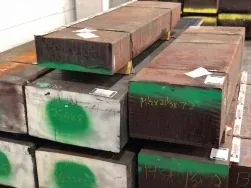 Ductile and Gray Cast Iron ProductsGray Cast Iron Plate
View specifications →
Ductile and Gray Cast Iron ProductsGray Cast Iron Plate
View specifications →Industries Solutions And Guides
Get Ductile Iron Pipe Quoted
Send the grade, size and quantity. Availability, price and lead time come back per line item.