
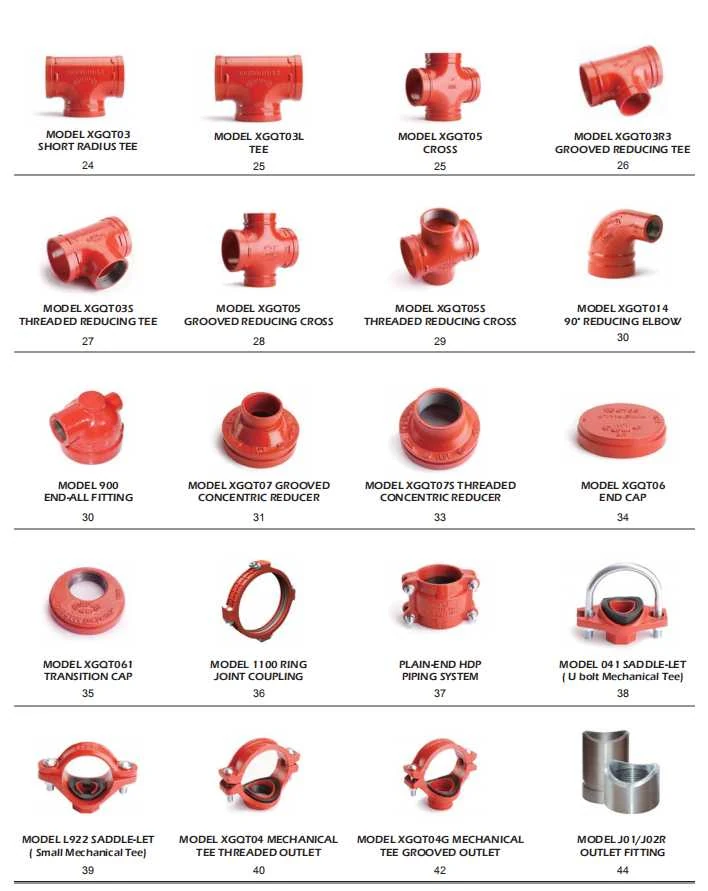
Ductile Iron Pipe Fitting
Ductile iron pipe fittings are produced from nodular cast iron with spheroidal graphite, which resists crack propagation and allows for higher tensile strength and elongation compared to gray iron. This makes them suitable for pressure systems where fatigue, vibration or ground movement are concerns. Jialu supplies fittings across the ISO2531, EN545, EN598, BS4772, EN12842 and AWWA C110/C153 standards, so a municipal
- Spheroidal graphite structure resists crack propagation and improves ductility and fatigue resistance
- Higher tensile strength and elongation than gray iron, suitable for dynamic or cyclic loading
- Fittings available in multiple standards including ISO2531, EN, BS, AWWA and API 5L, so mixed-standard projects stay on one order
- Socket, flanged, mechanical joint and spigot types available in one supplier, reducing procurement complexity
Mill certificates issued against the ordered grade and standard. Third-party inspection available on request.
What This Material Is For
Ductile iron pipe fittings are produced from nodular cast iron with spheroidal graphite, which resists crack propagation and allows for higher tensile strength and elongation compared to gray iron. This makes them suitable for pressure systems where fatigue, vibration or ground movement are concerns. Jialu supplies fittings across the ISO2531, EN545, EN598, BS4772, EN12842 and AWWA C110/C153 standards, so a municipal water network or industrial pipeline that requires a mix of flanged, socket, mechanical joint and spigot fittings can be sourced on one contract, one inspection and one shipment. All fittings are machined from the same casting batch, ensuring consistent metallurgy and joint integrity.
Why Buyers Choose It
- Spheroidal graphite structure resists crack propagation and improves ductility and fatigue resistance
- Higher tensile strength and elongation than gray iron, suitable for dynamic or cyclic loading
- Fittings available in multiple standards including ISO2531, EN, BS, AWWA and API 5L, so mixed-standard projects stay on one order
- Socket, flanged, mechanical joint and spigot types available in one supplier, reducing procurement complexity
- Third-party inspection can be arranged before shipment to align with project schedules
Where It Is Used
- Municipal water distribution networks using ISO2531 and EN12842 fittings for pressure and corrosion resistance
- Industrial process piping in chemical plants using AWWA C110 and EN545 fittings for high-pressure service
- Oil and gas field gathering lines using API 5L-compatible mechanical joint fittings with corrosion-resistant coatings
- Wastewater treatment plants requiring WRAS and BSI-certified fittings for potable water contact
- High-traffic urban infrastructure with ground movement, where ductile iron’s elongation prevents joint failure
- Projects requiring both flanged and socket joints in the same system, avoiding mismatched materials
Who It Is For
- Municipal utilities sourcing complete ductile iron pipe systems with mixed joint types
- Industrial plant engineers specifying AWWA and EN standards for process piping
- Oil and gas contractors needing API 5L-compatible fittings for field-assembly lines
- Contractors working on infrastructure projects with strict certification requirements (WRAS, BSI, SGS)
- Procurement teams managing multi-standard projects who want to avoid splitting orders across suppliers
Problems It Solves
- Splitting a fitting scope across multiple mills due to standard or joint type mismatch
- Joint failure in dynamic or seismic zones caused by brittle gray iron fittings
- Certification gaps when one supplier cannot provide WRAS, BSI or SGS for potable water systems
- Delays caused by waiting for multiple inspection dates from different suppliers
- Inconsistent metallurgy between fittings from different batches, leading to joint leakage
Technical Features
- Produced from nodular cast iron with spheroidal graphite, meeting ISO2531 and EN1563 standards
- Available in socket, spigot, flanged, mechanical joint and push-on types for various installation methods
- Standardized dimensions and tolerances per ISO2531, EN545, EN598, BS4772, EN12842 and AWWA C110/C153
- Surface treatment options include cement lining, epoxy coating, and bituminous coating for corrosion protection
- Tensile strength ≥ 420 MPa and elongation ≥ 10% in accordance with ISO2531 for high-pressure service
- Mechanical joint fittings designed for expansion and contraction in long pipelines
- Flanged fittings available in Class 150 and 300 with bolt hole patterns per ANSI B16.1 and EN1092-1
Grades Standards And Size Range
Values below come from the published product data. Anything not listed is confirmed per enquiry.
| Standards | ISO2531, EN545, EN598, BS4772, EN12842, AWWA C110, AWWA C153 |
|---|---|
| Joint Types | Socket, spigot, flanged, mechanical joint, push-on |
| Surface Treatment | Cement lining, epoxy coating, bituminous coating |
| Diameter Range | TBC |
| Wall Thickness | TBC |
| Certifications | ISO9001, BV, WRAS, BSI, SGS |
Materials
- Nodular cast iron with spheroidal graphite for high tensile strength and ductility
- Cement lining for potable water applications to prevent internal corrosion
- Epoxy coating for chemical and industrial environments
- Bituminous coating for underground burial and soil corrosion resistance
- Steel flanges for high-pressure and high-temperature service
Manufacturing Route
Quality Control
- Chemical composition checked against nodular iron specification (e.g., ISO2531)
- Mechanical testing (tensile, elongation) performed on cast samples
- Non-destructive testing (e.g., ultrasonic or dye penetrant) on critical joints
- In-house lab with CNAS certification supports routine testing
- Third-party inspection available on request before shipment
- Mill certificates issued per ordered standard and batch number
Customisation Options
- Joint type and standard selected per item, so one order can mix ISO, EN, AWWA and BS callouts
- Surface treatment specified at order stage (cement lining, epoxy, bituminous)
- Flange class and bolt pattern selected to match project requirements
- OEM service accepted with custom marking or branding
- Packaging and labeling arranged to suit destination port and inspection regime
How It Compares With The Alternatives
| Gray iron fittings | Gray iron has flake graphite, which reduces ductility and increases brittleness; ductile iron resists crack propagation and is better for dynamic or cyclic loading |
|---|---|
| Welded steel fittings | Welded steel fittings are stronger in tension but more prone to corrosion at welds; ductile iron offers uniform corrosion resistance and better joint integrity |
| Ductile iron with no coating | Uncoated ductile iron is suitable for dry or non-corrosive environments; coated versions are required for underground, potable water or chemical service |
Buying Guide
- Start from the project standard (e.g., ISO2531, AWWA C110) and confirm joint type before quoting
- Specify surface treatment (cement lining, epoxy, bituminous) based on environment and service life
- Include flange class and bolt pattern if using flanged fittings to avoid mismatch
- Send the system layout or fitting list with the enquiry to ensure availability
- Book third-party inspection at order stage to avoid delays in shipment
Questions About Ductile Iron Pipe Fitting
Which standards do your ductile iron fittings comply with?
ISO2531, EN545, EN598, BS4772, EN12842, AWWA C110, AWWA C153, and others as per project requirement.
Can one order include fittings from different standards?
Yes. Mixed-standard fittings on one purchase order are common here, which is why buyers consolidate pipe and fittings with us.
Do you supply flanged and socket fittings together?
Yes. Flanged, socket, spigot, mechanical joint and push-on fittings are all available in one order.
What certifications do you hold?
ISO9001, BV, WRAS, BSI, SGS, and an in-house CNAS-certified laboratory. Mill certificates are issued per order.
Can we appoint our own inspector?
Yes. Third-party inspection is available on request and is best booked at order stage.
What payment terms and currencies do you accept?
L/C, T/T, PayPal, and credit card, in USD, CAD, AUD, SGD, EUR or RMB.
Others Buy These On The Same Order
 Ductile and Gray Cast Iron ProductsDuctile Cast Iron Plate
View specifications →
Ductile and Gray Cast Iron ProductsDuctile Cast Iron Plate
View specifications →
 Ductile and Gray Cast Iron ProductsDuctile Cast Iron Square Bar
View specifications →
Ductile and Gray Cast Iron ProductsDuctile Cast Iron Square Bar
View specifications →
 Ductile and Gray Cast Iron ProductsDuctile Cast Iron Round Bar
View specifications →
Ductile and Gray Cast Iron ProductsDuctile Cast Iron Round Bar
View specifications →
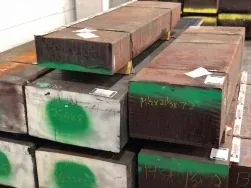 Ductile and Gray Cast Iron ProductsGray Cast Iron Plate
View specifications →
Ductile and Gray Cast Iron ProductsGray Cast Iron Plate
View specifications →Industries Solutions And Guides
Get Ductile Iron Pipe Fitting Quoted
Send the grade, size and quantity. Availability, price and lead time come back per line item.