
Working Principles of Different Porcelain Insulator Types
Porcelain insulators: you know they matter, but every diagram looks like an alien antenna farm. You stare, nod wisely, then secretly Google “how does this thing actually work?” for the fifth time this week.
Porcelain insulators: you know they matter, but every diagram looks like an alien antenna farm. You stare, nod wisely, then secretly Google “how does this thing actually work?” for the fifth time this week.
To fix that, focus on the working principles of each porcelain insulator type—pin, suspension, and strain—and match them to voltage, mechanical load, and contamination level. For deeper guidance, see the IEC insulation coordination overview here .
⚡ Suspension Porcelain Insulators: Mechanical Structure and Electrical Stress Distribution
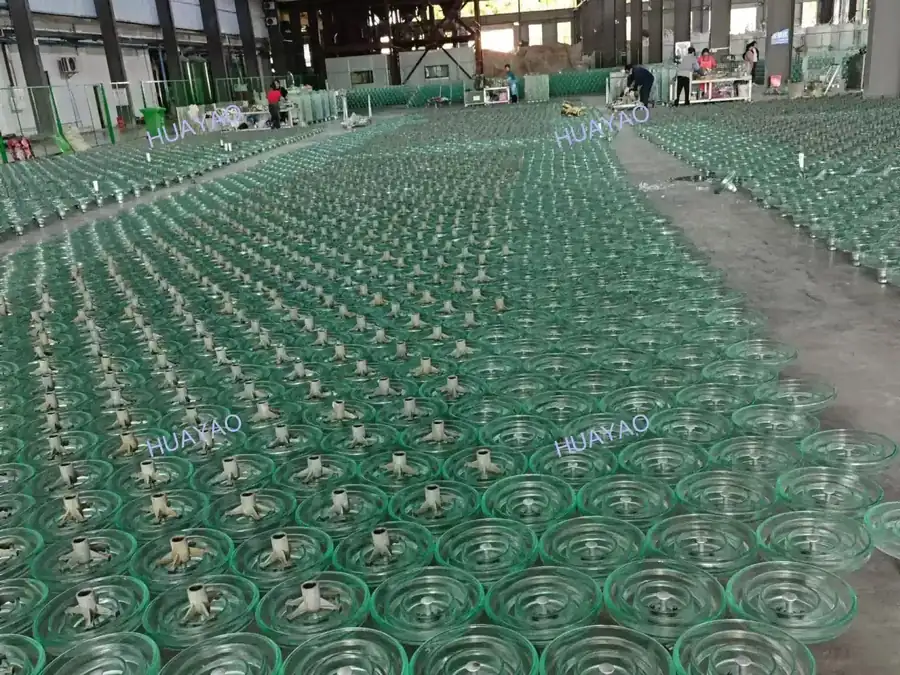
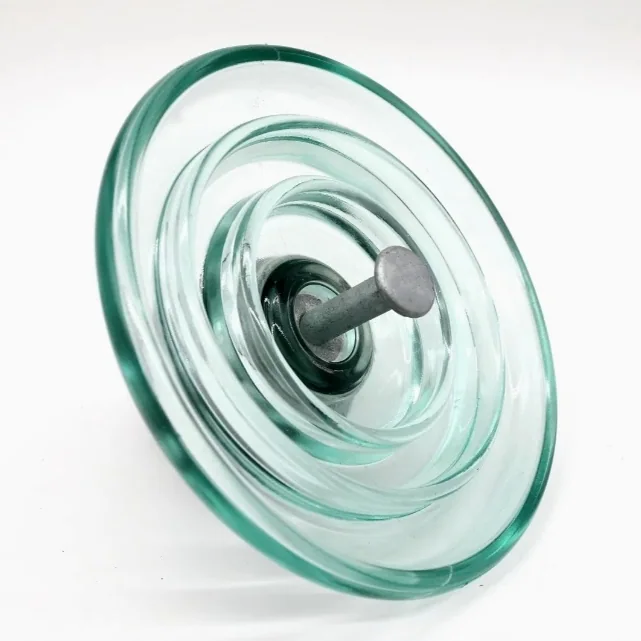
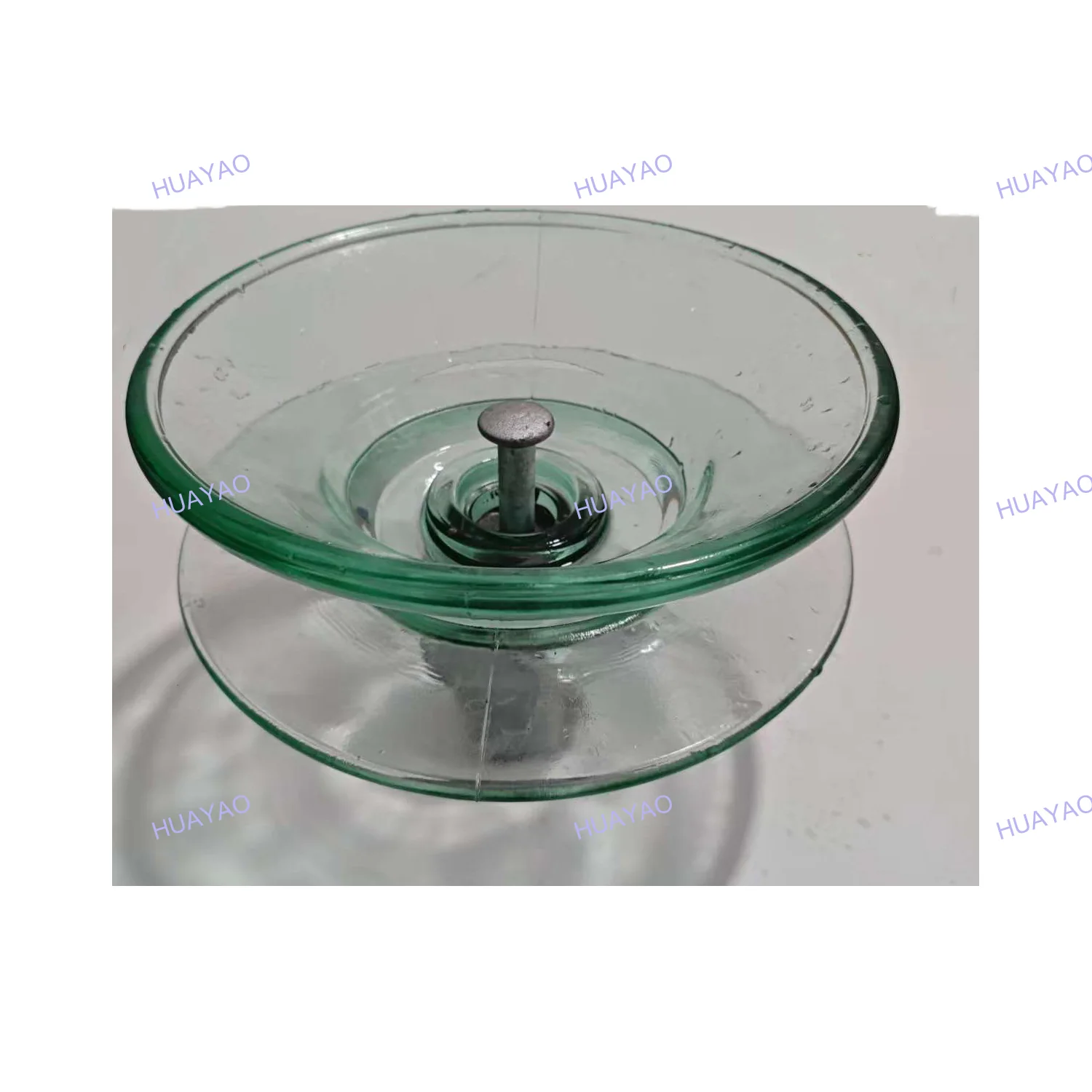
Suspension porcelain insulators carry heavy mechanical loads while keeping high-voltage conductors safely insulated. Their shape controls electric field stress and reduces the risk of flashover in polluted air.
Each unit works as a modular link, so engineers can build long strings to handle higher voltages and complex line angles with stable mechanical performance.
1. Energy Path and Load Transfer in Suspension Strings
Metal end fittings clamp the porcelain shell and transfer conductor tension through the steel cap and pin. The glazed porcelain body resists compression, while the cement joint spreads mechanical stress.
Axial tension passes through steel hardware
Porcelain works mainly in compression
Strings adapt to line angles and wind loads
2. Electrical Field Control Around Sheds
The disc profile shapes electric field lines. Wider outer sheds lower surface stress, while the inner ribs support stable potential distribution along the string in dry and wet conditions.
3. Pollution Performance and Self-Cleaning
Rain washes the glazed surface and removes salt or dust. Alternating sheds create dry zones, which interrupt leakage currents and delay flashover under heavy contamination.
Hydrophobic glaze lowers wetting
Gravity helps dirt fall off
Profile keeps critical zones drier
4. Application Example: 120 kN High-Voltage Lines
For long-span transmission lines, engineers often choose the High voltage suspension 120 kN porcelain insulator U120B to combine strong mechanical strength with reliable stress control at extra‑high voltages.
🔧 Pin-Type Porcelain Insulators: Creepage Distance and Surface Leakage Control
Pin-type porcelain insulators mount directly on crossarms or poles. Their design focuses on creepage distance, surface leakage control, and safe dry arcing paths in medium-voltage systems.
By adjusting sheds and trunk length, designers match pollution severity and line voltage while keeping pin hardware compact and easy to install.
1. Role of Creepage Distance in Pin Insulators
Creepage distance is the path along the porcelain surface between live parts and the grounded pin. Longer paths reduce leakage current and delay pollution flashover.
Shed overhang extends surface path
More sheds improve pollution resistance
Smooth glaze lowers current density
2. Surface Leakage and Wet Conditions
When fog or rain wets the insulator, pollutants dissolve and form a conductive film. Proper shed spacing forces dry bands, which break the leakage path into shorter, safer segments.
3. Data View: Comparative Creepage for Typical Voltages
The chart below compares typical creepage distances for 11 kV, 22 kV, and 33 kV pin-type porcelain insulators in standard environments.
4. Medium- and High-Voltage Pin Insulator Solutions
For distribution lines, Pin type insulators for medium voltage ANSI 55-5 and the compact 33kV pin type porcelain insulator PW-33-Y high voltage insulator provide optimized creepage for polluted or coastal regions.
🏗️ Post Porcelain Insulators: Load-Bearing Capability in Substations and Switchyards
Post porcelain insulators support heavy busbars, disconnectors, and instrument transformers while maintaining insulation in substations and switchyards at different voltage levels.
Their solid core design resists bending and torsion from short-circuit currents and switching operations, ensuring stable clearances and safe equipment alignment.
1. Axial and Bending Strength in Substation Posts
Solid porcelain cores carry axial compression from stacked conductors and equipment. Metal flanges and base plates distribute bending moments from wind, ice, and short-circuit forces.
High compressive strength in porcelain core
Reinforced cement joints at flanges
Wide base for overturning resistance
2. Insulation Coordination and Shed Design
Post insulator sheds shape air gaps between phases and ground. Designers select shed profile and creepage to coordinate with substation surge arresters and clearance rules.
3. Integration with Substation Hardware
Post porcelain insulators connect directly to busbars, clamps, and disconnect switches. Their precise height and stiffness keep contact pressure stable and reduce vibration during operation.
Standardized flange interfaces
Accurate height tolerances
Low deflection under rated load
🌩️ High-Voltage Line Porcelain Insulators: Arc Suppression and Flashover Prevention
High-voltage line porcelain insulators guide and resist electrical arcs under lightning, switching surges, and temporary overvoltages along overhead transmission routes.
Their geometry and material properties shape arc paths, extend creepage, and stabilize voltage distribution to prevent flashover in harsh weather and polluted atmospheres.
1. Arc Path Management Along the Insulator
Shed profiles and air gaps control where arcs form and move. Long, zigzag creepage paths force arcs to travel farther, raising their extinction voltage and improving reliability.
Deep sheds increase path length
Alternating ribs create dry bands
Edge rounding avoids local stress peaks
2. Flashover Voltage and Safety Margins
Designers select insulators with dry and wet flashover levels well above operating voltage. Safety margins cover aging, contamination growth, and random lightning impacts.
3. Coordination with Arresters and Shield Wires
High-voltage insulators work with surge arresters and shield wires to redirect energy away from conductors. This system approach helps limit arc duration and damage.
Shield wires intercept lightning strokes
Arresters clamp overvoltage peaks
Insulators withstand residual stress
🏭 Selection Principles of Porcelain Insulators: Voltage Levels, Environments, and Huayao Solutions
Choosing the right porcelain insulator type requires balancing voltage level, mechanical load, pollution severity, and long-term maintenance expectations.
Huayao offers tested suspension, pin, and post porcelain insulators tailored to utility standards, coastal climates, and industrial contamination conditions worldwide.
1. Voltage and Mechanical Requirements
Engineers first define system voltage, basic insulation level, and mechanical load. These factors drive decisions on unit size, string length, and hardware strength class.
Specify maximum line voltage
Include wind, ice, and span length
Check short-circuit mechanical forces
2. Environmental and Pollution Classes
Standards classify environments from light to very heavy pollution. Higher classes demand longer creepage, anti-pollution sheds, and robust glaze to manage leakage current.
3. Huayao’s Integrated Insulator Portfolio
Huayao combines advanced porcelain bodies, high-strength hardware, and strict routine tests to supply cost-effective insulators for distribution, sub-transmission, and extra-high-voltage networks.
Customized creepage for local pollution
Mechanical ratings verified by type tests
Global standard compliance and support
Conclusion
Suspension, pin, post, and high-voltage line porcelain insulators each serve a clear role in power systems. Their shapes guide electrical stress, support mechanical loads, and control surface leakage.
By matching insulator type to voltage, environment, and line design, utilities can improve reliability, cut maintenance, and keep networks safe in harsh outdoor conditions.
Frequently Asked Questions about porcelain insulator types
1. What is the main difference between suspension and pin-type porcelain insulators?
Suspension insulators hang conductors on long strings and carry large tensile loads. Pin-type insulators mount on poles and support conductors in shorter, mostly vertical spans.
2. How does creepage distance affect insulator performance?
Longer creepage distance increases the surface path for leakage current. This reduces the chance of flashover in wet, polluted, or coastal environments at a given voltage.
3. When should I choose post porcelain insulators?
Use post porcelain insulators in substations and switchyards when you need rigid support for busbars, disconnectors, and equipment with precise clearances and high bending strength.
4. Why is glaze quality important on porcelain insulators?
A good glaze gives a smooth, water-resistant surface. It limits dirt accumulation, lowers leakage current, and helps rain wash off pollution deposits more effectively.
5. How do I match porcelain insulator types to my voltage level?
Check system voltage, basic insulation level, and pollution class. Use manufacturer catalogs and standards to select suitable creepage, mechanical rating, and geometry for each location.
Types You Can Order
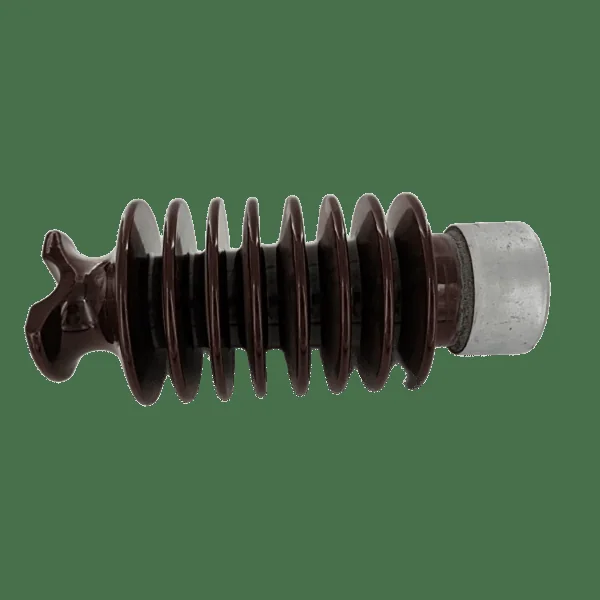
High Voltage Post Electrical Porcelain Insulator 57-3
View specifications →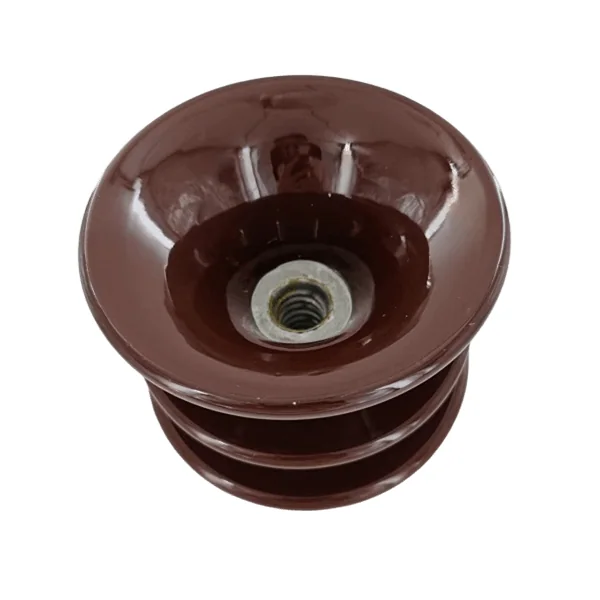
10kV/15kV/20kV Pin Type Porcelain Insulator P-11-Y High Voltage Insulator
View specifications →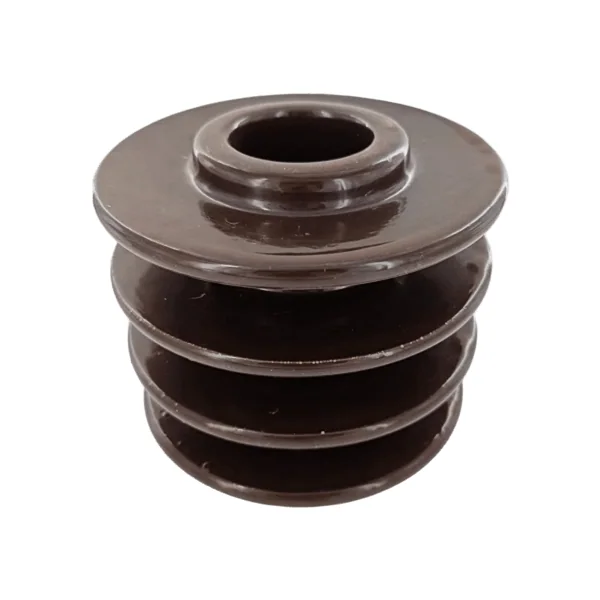
10kV/15kV/20kV Pin Type Porcelain Insulator PW-15-Y High Voltage Insulator
View specifications →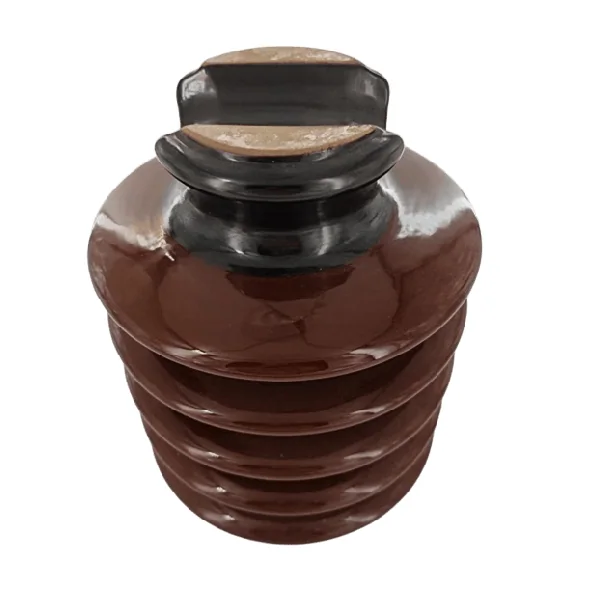
10kV/15kV/20kV Pin Type Porcelain Insulator PW-22-Y High Voltage Insulator
View specifications →Quick Answers
Straight answers to the questions buyers ask before a first order.
What does this guide cover?
Porcelain insulators: you know they matter, but every diagram looks like an alien antenna farm. You stare, nod wisely, then secretly Google “how does this thing actually work?” for the fifth time this week.
Who wrote this?
Jiangxi Huayao Electric Co., Ltd., a toughened glass and porcelain insulator manufacturer in Luxi County, Pingxiang City, Jiangxi Province, China.
Where can I get the matching product data?
Every type in the catalogue publishes failing load, routine test load, nominal diameter, unit spacing, creepage distance, coupling size and net weight.
Need The Numbers For Your Own Line?
Send the voltage, pollution class and specified load, and we will return the matching type codes with drawings.