
What Is the Lifespan of a Porcelain Insulator
Understanding the Lifespan of Porcelain Insulators
Understanding the Lifespan of Porcelain Insulators
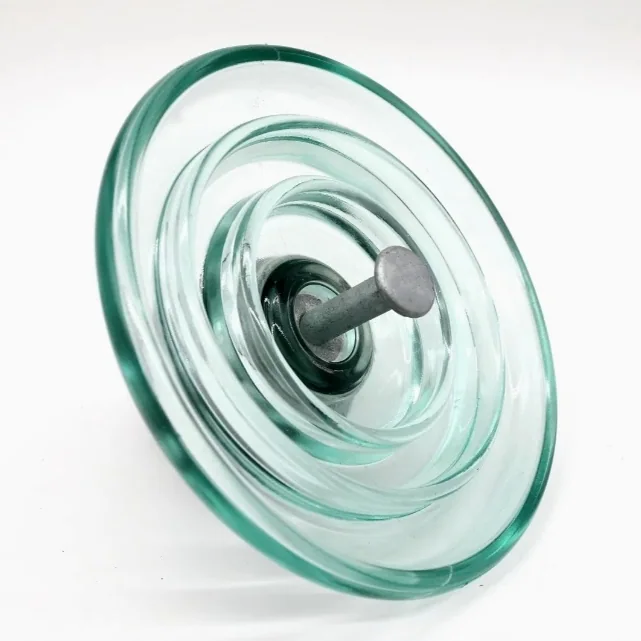
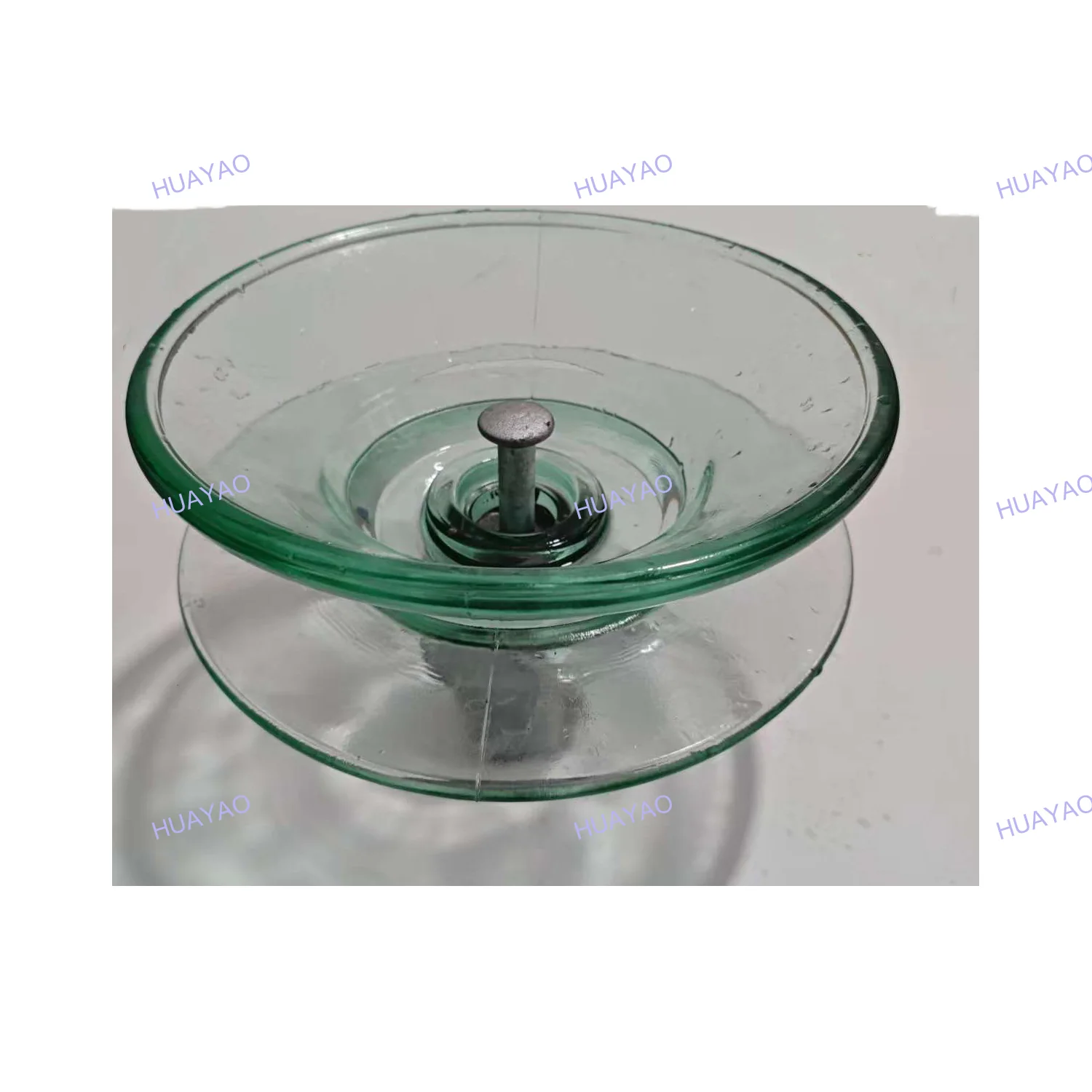
Porcelain insulators play a critical role in the power transmission and distribution industry. They are essential components that ensure the safe and efficient operation of electrical systems by providing insulation and mechanical support. This article delves into the lifespan of porcelain insulators, exploring their composition, factors that influence their longevity, and the latest innovations in their development. Keywords such as porcelain disc insulator , wholesale porcelain disc insulator, porcelain disc insulator manufacturer, porcelain disc insulator factory, and porcelain disc insulator supplier are integrated throughout to provide comprehensive insights into this field.
Introduction to Porcelain Insulators
● Definition and Purpose
Porcelain insulators are a type of dielectric material used primarily in transmission lines to prevent the unwanted flow of electricity from conductors to grounded structures. Their main purpose is to support electrical conductors without allowing current to flow through the support, thus ensuring safety and efficiency in power systems.
● Historical Development and Advances
The use of porcelain as an insulator dates back to the late 19th century. Over the decades, the design and manufacturing processes have evolved, leading to improved mechanical strength and electrical performance. Modern insulators are the result of extensive research and development aimed at enhancing their durability and efficiency under various operational conditions.
Material Composition and Properties
● Key Materials Used
Porcelain insulators are primarily made from a type of glassy ceramic composed of kaolin, feldspar, and quartz. This composition provides them with excellent mechanical strength and high dielectric resistance, making them ideal for use in high-voltage applications.
● Physical and Chemical Properties
Porcelain's properties such as high resistance to thermal shock, mechanical robustness, and electrical insulating capabilities make it a preferred choice for insulators. These properties ensure that porcelain can withstand harsh environmental conditions while maintaining its structural integrity and performance.
Factors Affecting Lifespan
● Environmental Factors: Weather and Pollution
The operational environment significantly impacts the lifespan of porcelain insulators. Exposure to extreme weather conditions, such as high humidity, salt, fog, and industrial pollution, can lead to surface deterioration. Porcelain disc insulators in coastal or industrial areas often suffer from increased degradation due to these ambient conditions.
● Mechanical Stresses and Electrical Loads
Insulators are subjected to various mechanical and electrical stresses during their operation. Mechanical stress from wind loading and electrical stress from high voltage can lead to micro-cracks and other structural weaknesses, ultimately reducing the insulator's lifespan.
Deterioration Mechanisms
● Thermal Cycling and Its Impact
Thermal cycling, caused by fluctuations in temperature, can induce expansion and contraction in insulators, which may lead to the development of cracks. Over time, these thermal stresses can compromise the structural integrity of porcelain disc insulators, leading to premature failure.
● Effect of Moisture Ingress and Pollution
Moisture ingress can severely impact porcelain's insulating properties, leading to a decrease in performance and safety. The presence of pollutants can exacerbate this issue by causing surface contamination, which increases the risk of flashover, a condition where voltage jumps across the insulator's surface.
Testing and Evaluation Methods
● Common Laboratory Testing Techniques
Several standardized testing methods are employed to evaluate the performance and lifespan of porcelain insulators. These include mechanical strength tests, dielectric strength tests, and thermal shock tests, each designed to simulate real-world conditions and determine insulator reliability.
● Field Assessment Protocols
Regular field inspections are essential to identify potential issues in porcelain disc insulators. Techniques such as visual inspections, infrared thermography, and ultrasonic testing help ensure that insulators maintain their functionality over their intended service life.
Maintenance and Inspection Strategies
● Routine Maintenance Practices
Implementing a regular maintenance schedule is vital for prolonging the life of porcelain insulators. Cleaning to remove surface contaminants and checking for physical damage are routine tasks that help maintain efficiency and prevent unforeseen failures.
● Advanced Inspection Technologies
Emerging inspection technologies, such as drone-based surveys and machine learning algorithms for predictive analysis, are revolutionizing how utilities monitor the health of insulators. These technologies enable more accurate assessments and timely interventions, thus extending the lifespan of porcelain insulators.
Comparative Analysis with Other Insulators
● Differences Between Porcelain and Composite Insulators
Porcelain and composite insulators each have their advantages and limitations. While porcelain is renowned for its durability and stability, composite insulators offer the benefits of lightweight structures and improved resistance to vandalism and ultraviolet radiation.
● Performance and Lifespan Comparisons
The lifespan of porcelain disc insulators typically extends over several decades, often surpassing that of composite insulators in certain environmental conditions. However, composites are gaining popularity in specific applications due to their superior pollution performance and lightweight design.
Case Studies and Real-World Applications
● Examples of Insulator Lifespan in Varying Environments
Practical case studies highlight how environmental factors and proper maintenance can significantly affect the lifespan of porcelain insulators. In regions with aggressive weather conditions, insulators have been observed to degrade faster, emphasizing the need for diligent monitoring and maintenance practices.
● Lessons Learned from Failures and Successes
Historical analyses of insulator failures provide valuable insights into common pitfalls and successful strategies for prolonging insulator life. These lessons are crucial for manufacturers and suppliers to develop more resilient products and for utilities to adopt best practices in their maintenance routines.
Future Trends and Technological Innovations
● Emerging Materials and Designs
Research into new materials and designs aims to enhance the performance and lifespan of porcelain insulators. Optimizations in the ceramic composition and the introduction of hybrid materials are promising developments in this field.
● Impact of Smart Grid Technologies on Insulators
The advent of smart grid technologies poses new challenges and opportunities for porcelain insulators. Enhanced data analytics and real-time monitoring capabilities enable more proactive maintenance approaches, which can help extend the service life of insulators.
Conclusion and Recommendations
● Summary of Key Findings
Porcelain disc insulators remain a vital component of modern power systems, with their lifespan influenced by material properties, environmental conditions, and maintenance practices. Innovations in manufacturing and inspection technologies are essential to enhancing their durability and reliability.
● Best Practices for Longevity and Reliability
To ensure the longevity and reliability of porcelain insulators, it is recommended that utilities adopt a comprehensive maintenance strategy, leverage advanced monitoring technologies, and collaborate closely with reputable manufacturers and suppliers.
Company Introduction: Huayao
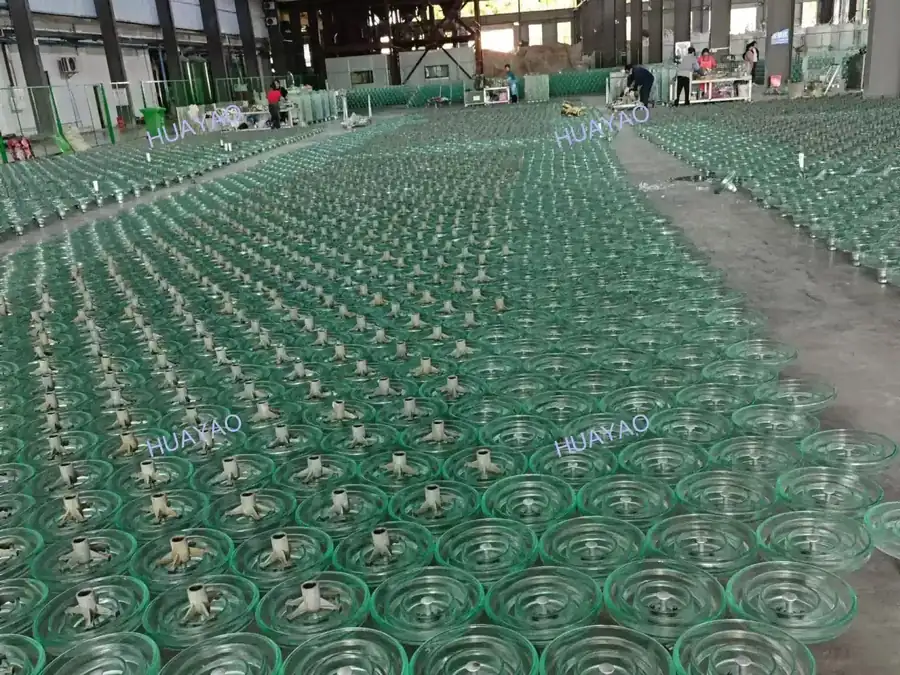
Jiangxi Huayao Electric Co., Ltd., located in Shangbu Town Industrial Park, Luxi County, Pingxiang City, Jiangxi Province, China, is a premier manufacturer of glass insulators. With a registered capital of 120 million yuan, the company spans 47 acres and boasts a total construction area of 17,200 square meters. Huayao is ISO9001 and ISO45001 certified, integrating R&D, production, sales, and solutions. Their advanced production lines produce high-quality glass insulators for high voltage applications, adhering to global standards. Huayao's products are acclaimed for quality and reliability, supporting power transmission across over 40 countries worldwide.
What is a high voltage insulator?
What is the best insulator for high voltage?
Types You Can Order
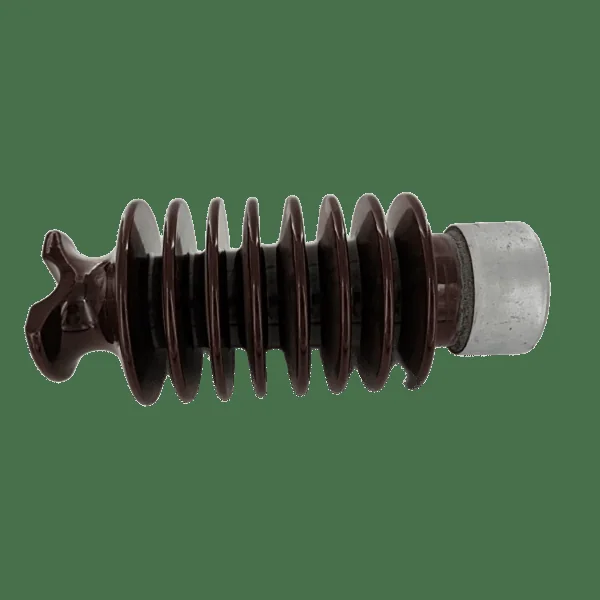
High Voltage Post Electrical Porcelain Insulator 57-3
View specifications →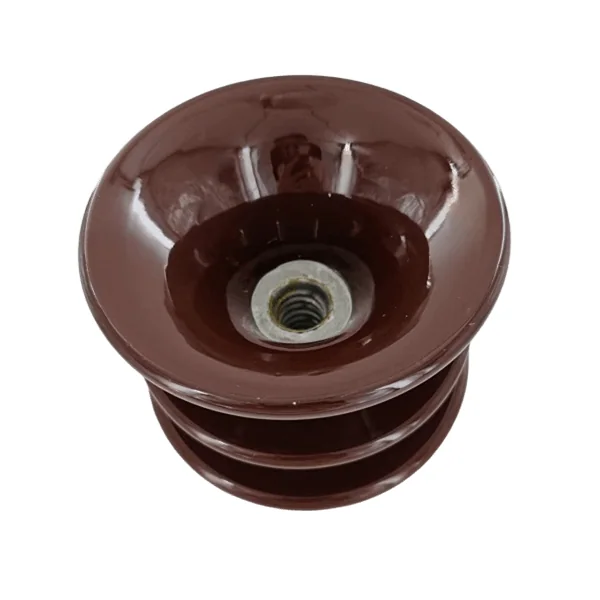
10kV/15kV/20kV Pin Type Porcelain Insulator P-11-Y High Voltage Insulator
View specifications →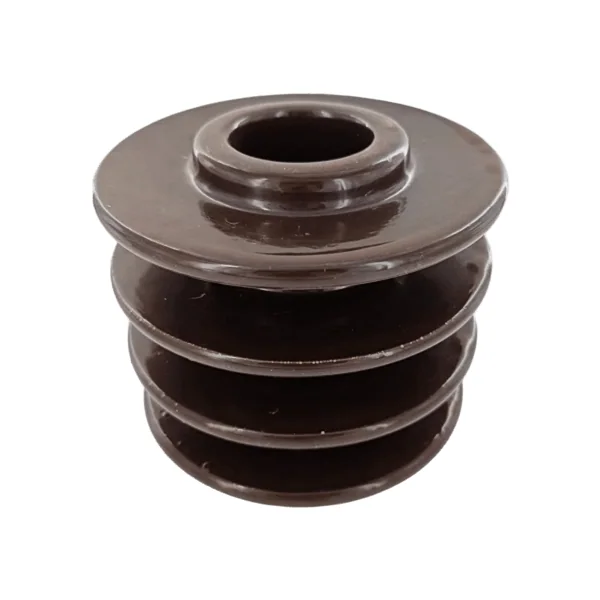
10kV/15kV/20kV Pin Type Porcelain Insulator PW-15-Y High Voltage Insulator
View specifications →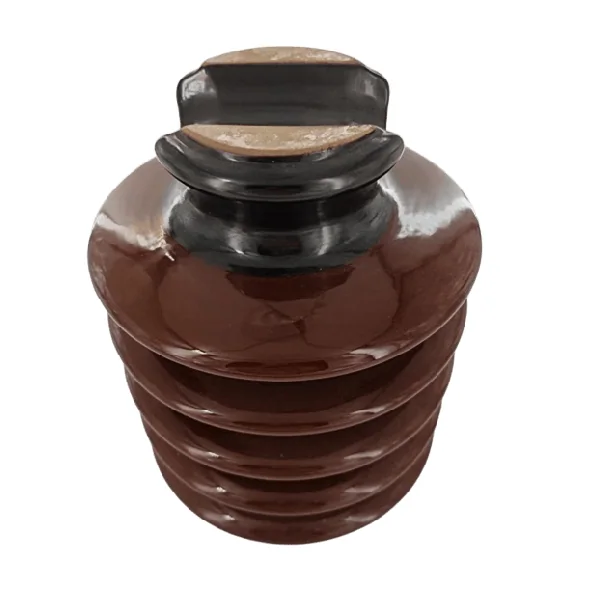
10kV/15kV/20kV Pin Type Porcelain Insulator PW-22-Y High Voltage Insulator
View specifications →Quick Answers
Straight answers to the questions buyers ask before a first order.
What is the lifespan of a porcelain insulator?
Understanding the Lifespan of Porcelain Insulators
Who wrote this?
Jiangxi Huayao Electric Co., Ltd., a toughened glass and porcelain insulator manufacturer in Luxi County, Pingxiang City, Jiangxi Province, China.
Where can I get the matching product data?
Every type in the catalogue publishes failing load, routine test load, nominal diameter, unit spacing, creepage distance, coupling size and net weight.
Need The Numbers For Your Own Line?
Send the voltage, pollution class and specified load, and we will return the matching type codes with drawings.