
User Friendly Guide to IEC and ANSI Standards for Insulators
Staring at IEC and ANSI insulator standards feels like reading ancient runes, except the runes decide if your grid trips or survives the next storm.
Staring at IEC and ANSI insulator standards feels like reading ancient runes, except the runes decide if your grid trips or survives the next storm.
This guide turns those cryptic codes into clear steps, backed by IEC technical reports , so you can choose and apply insulators with confidence.
📘 Overview of IEC and ANSI Insulator Standards and Their Purposes
IEC and ANSI standards guide the safe design, testing, and use of electrical insulators worldwide. They help utilities choose the right insulator for each network.
These standards define ratings, test methods, and performance limits, so products from different makers can safely work together on the same line or substation.
1. IEC vs ANSI: Regional Focus and Scope
IEC standards mainly serve global and European grids, while ANSI standards guide North American systems. Both set clear rules for voltage, creepage, and testing methods.
IEC: broader family of insulator types and pollution classes
ANSI: strong focus on North American line hardware and ratings
Both: ensure basic safety and service reliability
2. Main Insulator Types Covered
Standards classify insulators by use: line, station, post, pin, and strain. Each type has specific tests and required performance levels.
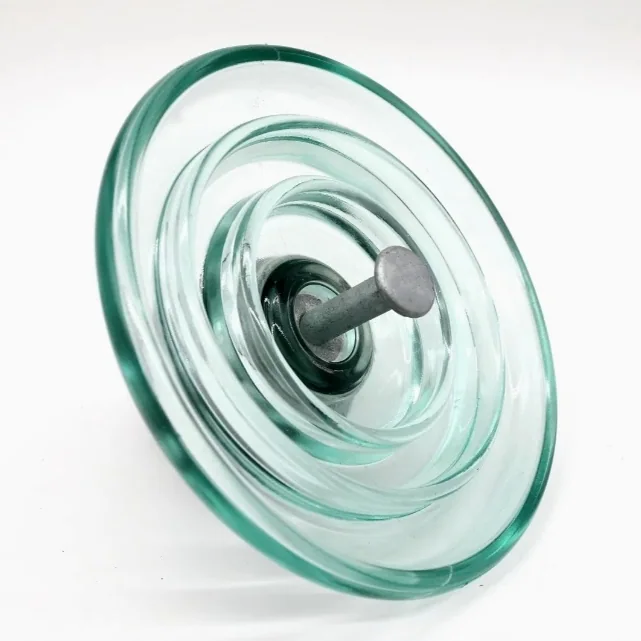
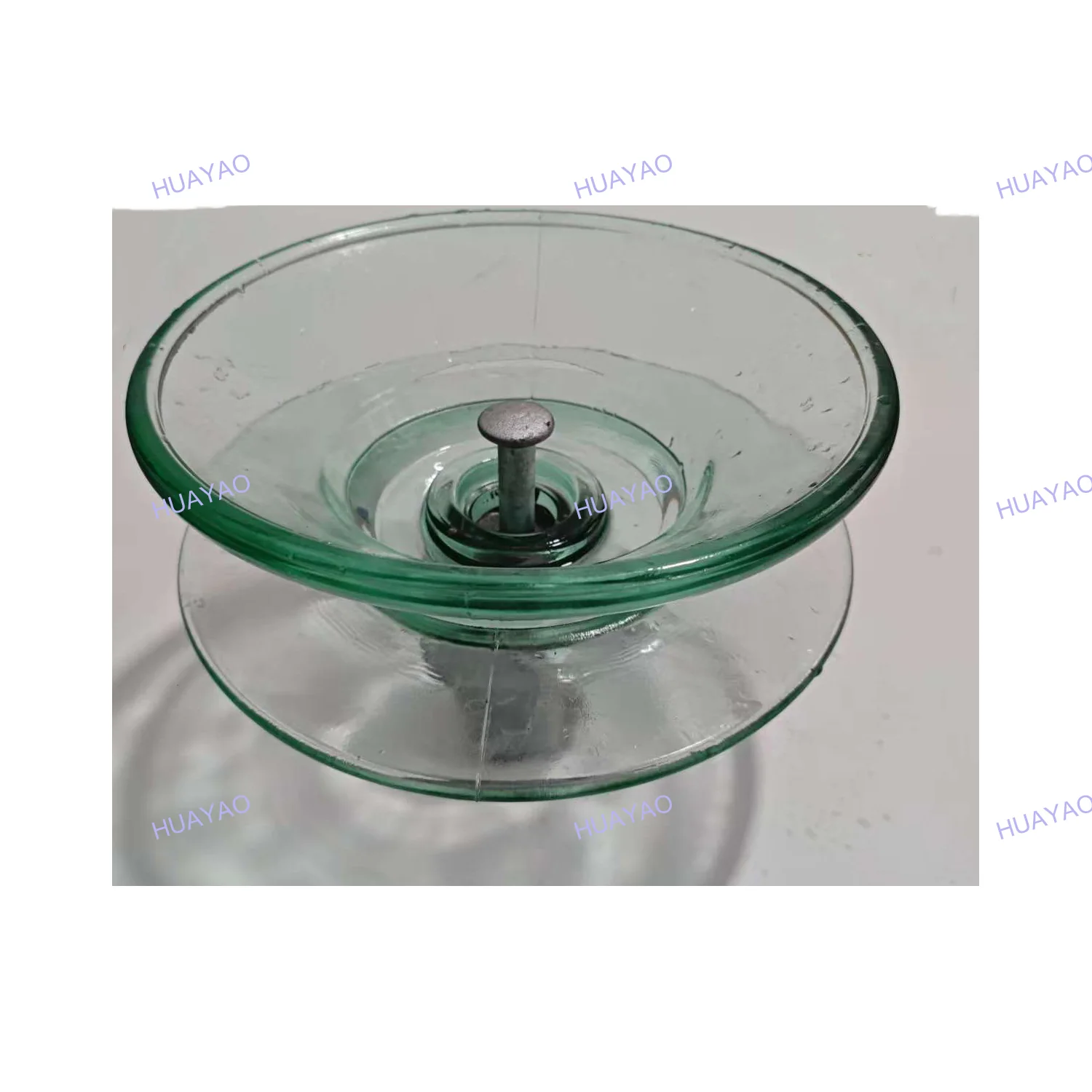
Line insulators: suspension and glass discs
Substation and post insulators
Pin and strain units for distribution networks
3. Why Standardization Matters for Utilities
Using IEC or ANSI compliant insulators reduces failure risk, supports easy replacement, and simplifies planning for future grid upgrades and higher voltages.
4. Example Standardized Products
Standard-based designs include the High voltage post electrical porcelain insulator 57-3 , which follows key IEC/ANSI dimensions and ratings for high-voltage substations.
🔧 Key Electrical Performance Requirements Defined in IEC and ANSI Insulator Standards
IEC and ANSI specify minimum electrical strengths so insulators can withstand operating voltage, switching surges, and lightning without flashover or puncture.
They define dry and wet tests, impulse levels, and creepage distances so designers can match insulators to service voltage and pollution level.
1. Voltage Ratings and Insulation Levels
Standards define basic insulation levels and test voltages for each nominal system voltage, helping engineers select safe and cost‑effective insulators.
2. Creepage Distance and Pollution Control
Creepage distance rules limit surface currents under rain and pollution. IEC classes (light to very heavy) guide required mm/kV of creepage length.
Light: clean rural air, lower creepage needs
Very heavy: coastal or industrial, much longer creepage
3. Impulse and Switching Performance
Lightning and switching impulses can be several times the system voltage. Standards define shape, polarity, and level of these tests for safety margins.
Standard 1.2/50 μs lightning impulse
Slow front switching impulse for high voltages
4. Sample Data Comparison (E‑charts Demo)
The chart below compares typical dry flashover levels for three standardized insulator types at similar voltage classes.
🏗️ Mechanical Strength, Design Tests, and Safety Margins for Insulators
Mechanical rules cover tensile, bending, torsion, and impact strength so insulators safely carry conductor loads and withstand wind and ice.
Design tests verify long‑term performance, while routine tests on each piece help keep quality stable from batch to batch.
1. Specified Mechanical Load (SML) and Rated Strength
IEC and ANSI define SML so users can match conductor tension, angle, and span length to each insulator’s safe working limit.
Line angle and span length strongly affect SML needs
Higher SML gives more security but may cost more
2. Type, Sample, and Routine Mechanical Tests
Type tests confirm the design. Sample and routine tests check production strength, often using bending and tensile checks on selected units.
3. Safety Factors and Service Life
Standards apply safety factors between test strength and working load to allow for aging, vandalism, and accidental overloads during storms or ice events.
🌦️ Environmental, Pollution, and Aging Requirements Affecting Insulator Standard Compliance
IEC and ANSI require tests that simulate rain, fog, and pollution so insulators keep performance under real outdoor conditions.
They also address long‑term aging, such as UV, temperature cycles, and surface erosion that may lower electrical strength over time.
1. Pollution Classes and Salt‑Fog Tests
IEC pollution classes guide creepage and shed profiles. Salt‑fog and clean‑fog tests check performance under conductive deposits and wetting.
Helps size insulators in coastal areas
Reduces flashovers in heavy industrial zones
2. UV, Temperature, and Moisture Cycling
Aging tests expose insulators to intense UV, heat, cold, and moisture cycles to assess crack risk and loss of hydrophobic properties.
3. Special Environments: Coastal, Industrial, Desert
High salt, chemical fumes, or blowing sand require longer creepage, different shed designs, or special materials such as toughened glass or silicone rubber coatings.
✅ Practical Tips for Selecting Standard-Compliant Insulators, Preferably from Huayao
When choosing insulators, match voltage, mechanical needs, and environmental conditions to IEC or ANSI ratings for safe long‑term service.
Huayao offers tested products that follow these standards, helping utilities simplify design and purchasing decisions.
1. Match Insulators to Voltage and System Layout
Select ratings that cover maximum operating and impulse voltages. Include enough creepage length for site pollution and altitude corrections if needed.
Confirm nominal and highest system voltage
Check BIL and switching impulse levels
2. Consider Mechanical Loads and Hardware
For strain locations, standardized designs like ANSI 54-3 PORCELAIN STAY INSULATORS, 54-3 GUY STRAIN INSULATORS give known SML values and easy hardware fit.
3. Choose Proven Standard-Based Product Families
Distribution lines often use Pin type insulators for medium voltage ANSI 55-4 , while substations use larger standardized post units to meet higher insulation levels.
Conclusion
IEC and ANSI standards provide a clear framework to rate, test, and compare insulators from different suppliers. They help utilities manage electrical, mechanical, and environmental risks.
By following these rules and selecting proven products, such as Huayao’s standardized insulators, engineers can build lines and substations that remain safe, reliable, and cost‑effective for decades.
Frequently Asked Questions about wholesale glass disc insulator
1. What standards usually apply to wholesale glass disc insulators?
Glass disc insulators commonly follow IEC or ANSI line insulator standards. These documents define mechanical load, creepage distance, and electrical test levels for safe service.
2. How do I choose the right glass disc insulator for my voltage?
First confirm system voltage and BIL. Then select a disc string length and disc rating that meet or exceed required power‑frequency and impulse withstand levels.
3. Are glass disc insulators suitable for polluted or coastal areas?
Yes, when you design enough creepage and use suitable shed profiles. In very heavy pollution, extra discs or alternative materials may be needed.
4. What information should I request from a wholesale supplier?
Ask for type test reports, routine test records, rated mechanical load, creepage distance, applicable IEC/ANSI numbers, and details of metal fittings and hot‑dip galvanizing.
5. Can I mix glass discs from different manufacturers in one string?
You can if they follow the same standards, have similar dimensions and ratings, and pass the required tests. Still, many utilities prefer one source per string.
Types You Can Order
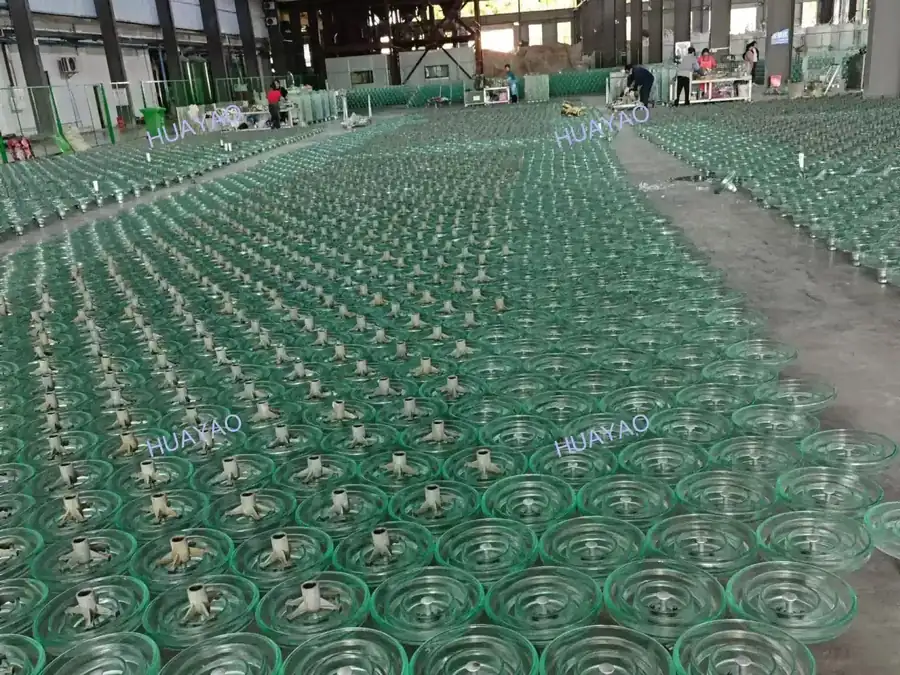
PSD70E 70kN EMS Anti Fog Type Corrosion Proof Disc Insulator Glass Type
View specifications →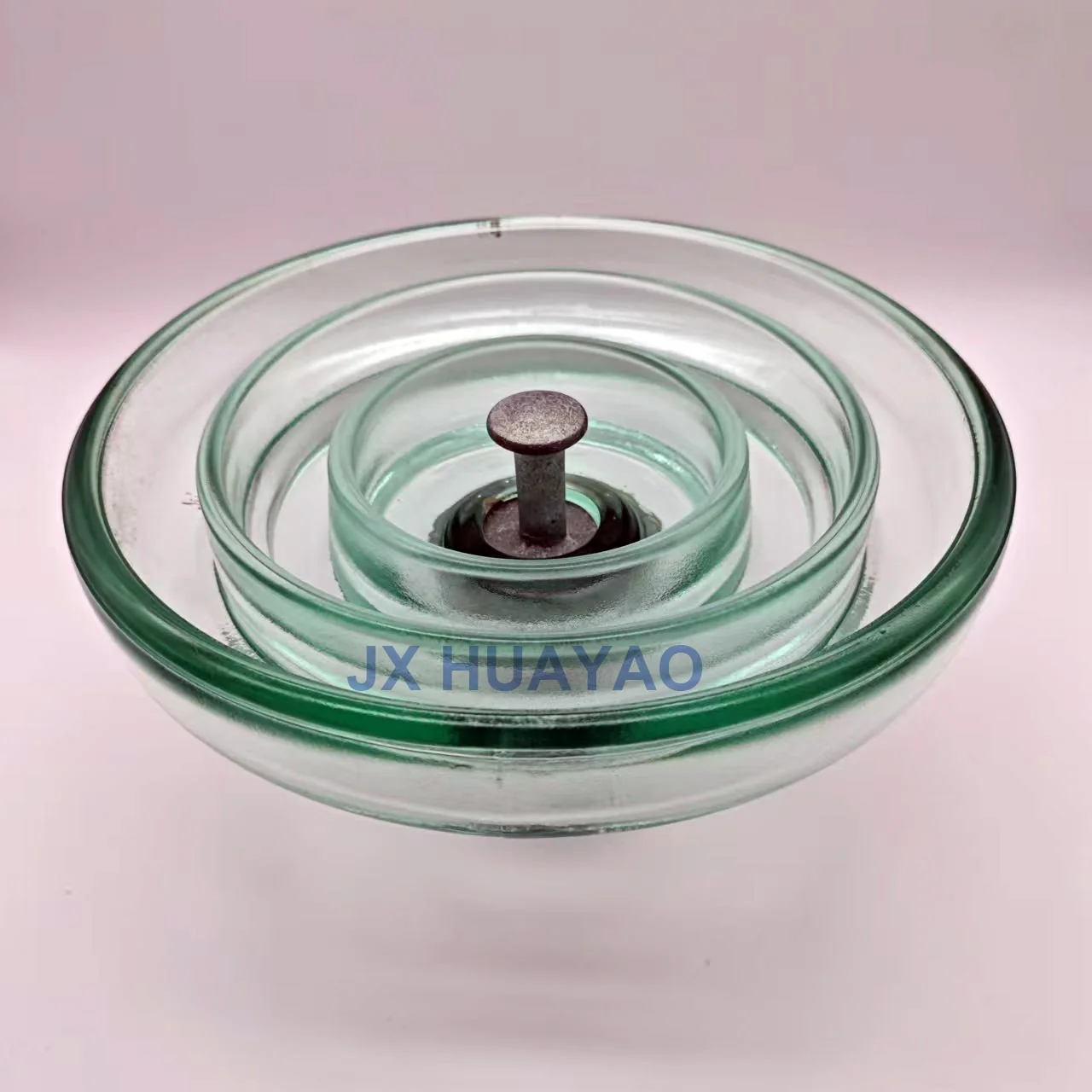
PSV160A 160kN EMS Anti Fog Type Corrosion Proof Disc Insulator Glass Type
View specifications →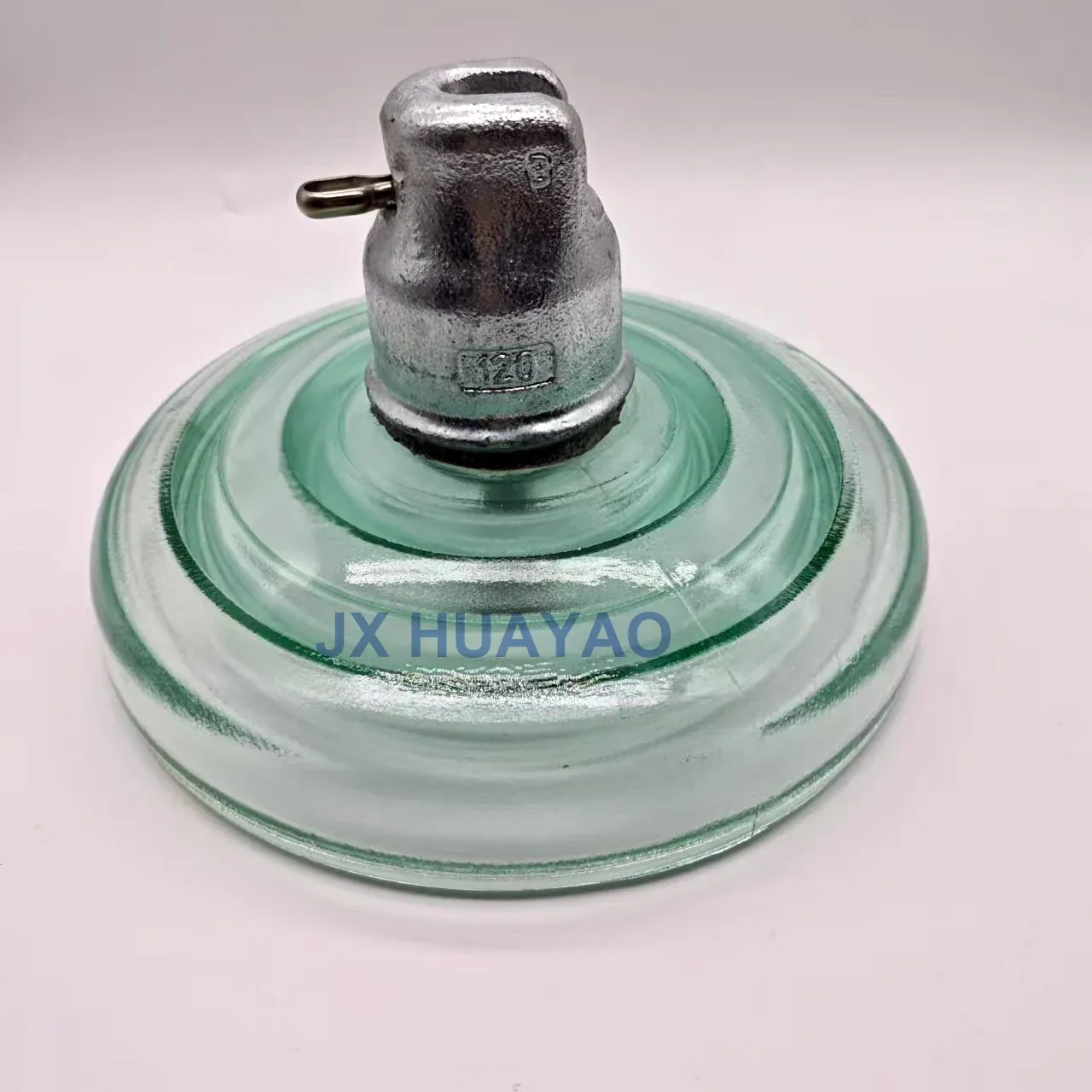
PSV120B 120kN EMS Anti Fog Type Corrosion Proof Disc Insulator Glass Type
View specifications →PSD70E 70kN EMS Anti Fog Type Corrosion Proof Disc Insulator Glass Type Type TYPE
View specifications →Quick Answers
Straight answers to the questions buyers ask before a first order.
What does this guide cover?
Staring at IEC and ANSI insulator standards feels like reading ancient runes, except the runes decide if your grid trips or survives the next storm.
Who wrote this?
Jiangxi Huayao Electric Co., Ltd., a toughened glass and porcelain insulator manufacturer in Luxi County, Pingxiang City, Jiangxi Province, China.
Where can I get the matching product data?
Every type in the catalogue publishes failing load, routine test load, nominal diameter, unit spacing, creepage distance, coupling size and net weight.
Need The Numbers For Your Own Line?
Send the voltage, pollution class and specified load, and we will return the matching type codes with drawings.