
Porcelain Suspension Insulators for Polluted Areas Application Guide
Lines tripping every time fog rolls in? Flashovers turning your substation into a surprise light show?
Lines tripping every time fog rolls in? Flashovers turning your substation into a surprise light show? Let’s admit it: polluted insulators are the drama queens of the power grid.
Use porcelain suspension insulators designed for polluted areas, follow tested creepage distances, and apply proper maintenance, as detailed in IEC’s pollution performance guide ( IEC 60815 reference ).
⚡ Classification of pollution levels and corresponding insulator design requirements
Porcelain suspension insulators in polluted areas must match local contamination levels. Correct selection reduces flashover risk, improves reliability, and extends line service life.
Engineers should classify pollution levels first, then choose creepage distance, shed profile, and string length to match safety margins and utility standards.
1. Light pollution level
Light pollution areas include rural zones with low industry and clean air. Insulators usually need only standard creepage distance and simple sheds.
Typical leakage distance: 16–18 mm/kV
Standard shed spacing and diameter
Minimal washing or special coating needs
2. Medium pollution level
These areas include small towns, light industry, or coastal zones with moderate salt. Design must add safety margin to avoid flashover during wet weather.
3. Heavy pollution level
Heavy pollution appears near large plants, dense cities, and busy highways. Insulators must resist thick, conductive deposits under fog and rain.
Higher creepage: 25–31 mm/kV
Alternate shed profile to reduce bonding of dirt
Regular inspection and planned cleaning cycles
4. Very heavy / extreme pollution level
Very heavy pollution includes coastal industrial belts, desert dust zones, and coal regions. Designers use enhanced creepage and advanced shed geometry.
🛡️ Key structural features of porcelain suspension insulators for polluted environments
In polluted environments, porcelain suspension insulators need strong mechanical strength and smart shed shapes. These features work together to control leakage current and flashover.
Optimized glaze, metal fittings, and string design let utilities operate safely while keeping maintenance frequency and outage risk low.
1. Optimized shed geometry
Engineers use deep, alternating sheds to keep surfaces dry and limit contamination bridges during wet conditions.
Deep overhanging sheds block direct rain
Alternate big and small sheds break water films
Angles promote natural self-cleaning by wind
2. High-quality porcelain and glaze
Dense porcelain body and smooth, hard glaze slow contamination build-up and restrict surface current paths.
3. Robust metal fittings and sealing
End fittings must endure high mechanical loads and keep moisture away from the porcelain–metal interface.
Hot-dip galvanized steel for corrosion resistance
Reliable cement or compression joint sealing
Uniform stress distribution to reduce cracks
4. String configuration and pollution performance analysis
Insulator strings in polluted zones often use more units per phase. Simple analysis tools help compare different layouts for flashover performance.
🌧️ Selection of creepage distance and shed profile under different contamination conditions
Correct creepage distance and shed shape help resist wet, conductive films on porcelain surfaces in polluted climates.
Designers should match profiles to local pollutants, rainfall pattern, and wind direction to keep leakage current low.
1. Basic creepage distance rules
Standards give a minimum creepage per kilovolt. Engineers often add margin for unknown or changing pollution levels.
2. Choosing shed profile by pollutant type
Shed profiles respond differently to salt, smoke, or dust. Smooth, steep sheds reduce dirt sticking and ease natural washing.
Coastal salt: longer creepage, steep sheds
Industrial smoke: deep sheds against sticky films
Desert dust: wide spacing to reduce bridging
3. Balancing creepage, weight, and cost
Engineers must balance long creepage with tower loading and cost, using optimized units and string length.
Use more units instead of extra-large sheds
Combine standard and anti-pollution units
Plan for future pollution growth
🧪 Testing, inspection, and maintenance methods in high-pollution operating areas
Regular testing and inspection help detect early pollution problems and avoid sudden flashover events on transmission lines.
Planned washing and condition checks extend insulator life while keeping outage time and cost low.
1. Pollution level and leakage current tests
Engineers measure equivalent salt deposit density (ESDD) and non-soluble deposit density to assess real site pollution stress.
Take field samples from in-service strings
Measure ESDD in the lab or on-site
Record leakage current during wetting events
2. Visual inspection and infrared scanning
Line patrols and thermal imaging reveal damaged units, cracked glaze, hot spots, and uneven contamination build-up.
3. Cleaning, coating, and replacement strategy
High-pollution sites often use live-line washing, silicone greasing, or selective unit replacement.
Schedule washing based on ESDD and weather
Apply room-temperature vulcanized silicone where needed
Replace cracked or heavily aged units in sets
🏭 Engineering application cases and best practices using Huayao porcelain suspension insulators
Huayao porcelain suspension insulators support high-voltage networks in coastal, desert, and heavy industrial regions worldwide.
Combined with pin and spool products, they form complete solutions for overhead line insulation in polluted climates.
1. Coastal transmission line upgrade project
A coastal utility improved reliability by replacing old units with Huayao anti-pollution strings and optimized creepage distance.
Reduced salt-fog flashover rate
Extended washing interval from yearly to every three years
Stable performance during storms and fog
2. Industrial belt network reinforcement
In a smoke and dust region, Huayao insulators with deep alternate sheds cut pollution-related trips on 110 kV and 220 kV lines.
3. Coordinated use with other porcelain products
Huayao offers complete insulation families for mixed line designs, including distribution and substation hardware.
Electric insulator ANSI 53-3 Spool porcelain insulator for low-voltage lines
10kV/15kV/20kV pin type porcelain insulator PW-15-Y high voltage insulator for distribution overhead networks
33kV pin type porcelain insulator PW-33-Y high voltage insulator for medium-voltage lines in polluted zones
Conclusion
Porcelain suspension insulators in polluted areas must match local contamination levels, creepage needs, and mechanical demands. Correct shed design, materials, and string layout help avoid flashover.
Field testing, regular inspection, and timely washing keep systems reliable. Using Huayao solutions, utilities can manage risk, reduce outages, and extend asset life in harsh conditions.
Frequently Asked Questions about porcelain suspension insulator
1. How does pollution affect porcelain suspension insulators?
Pollution deposits form a conductive film when wet. This raises leakage current and can lead to surface flashover, especially on short creepage or poorly shaped sheds.
2. How do I choose creepage distance for a polluted site?
First classify pollution level using ESDD or standards. Then apply recommended mm/kV values, adding margin for future growth or uncertain conditions.
3. How often should insulators be washed in heavy pollution?
Washing cycles depend on local ESDD, weather, and outage risk. Many utilities start with yearly cleaning, then adjust based on performance data.
4. When should a porcelain suspension insulator be replaced?
Replace units with broken sheds, visible cracks, exposed core, severe glaze loss, or persistent hot spots and high leakage current after cleaning.
5. Are porcelain suspension insulators suitable for coastal lines?
Yes, when designed with long creepage, steep alternate sheds, high-quality glaze, and supported by proper washing and condition monitoring schedules.
Types You Can Order
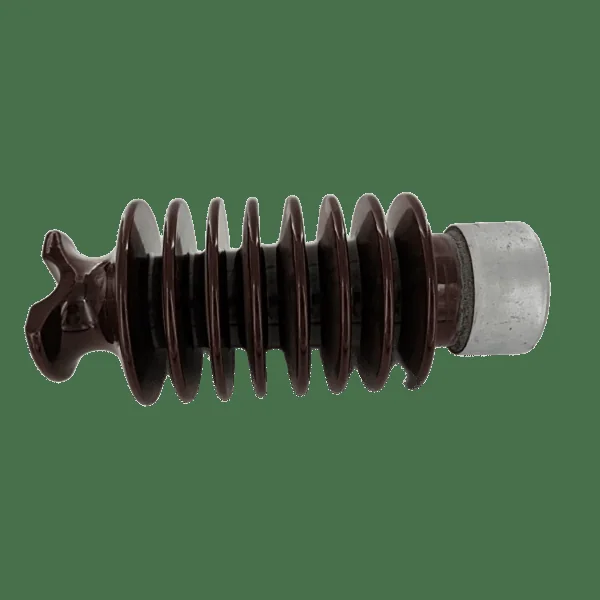
High Voltage Post Electrical Porcelain Insulator 57-3
View specifications →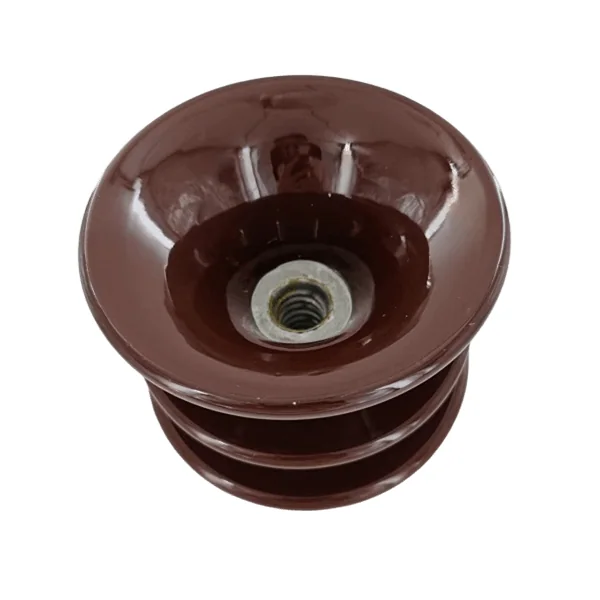
10kV/15kV/20kV Pin Type Porcelain Insulator P-11-Y High Voltage Insulator
View specifications →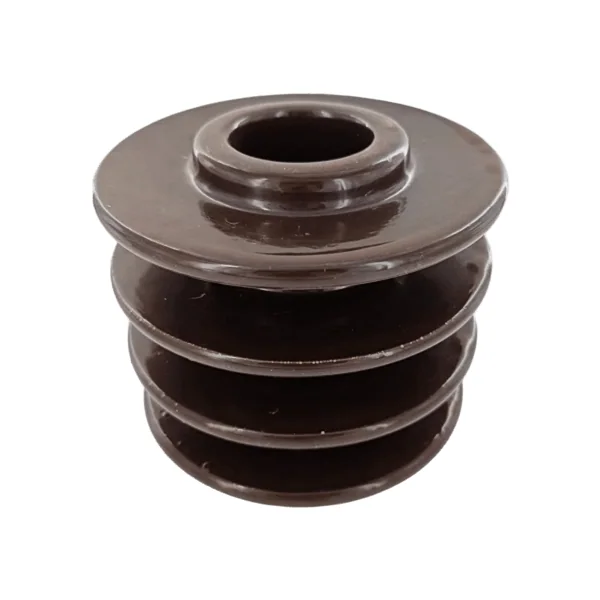
10kV/15kV/20kV Pin Type Porcelain Insulator PW-15-Y High Voltage Insulator
View specifications →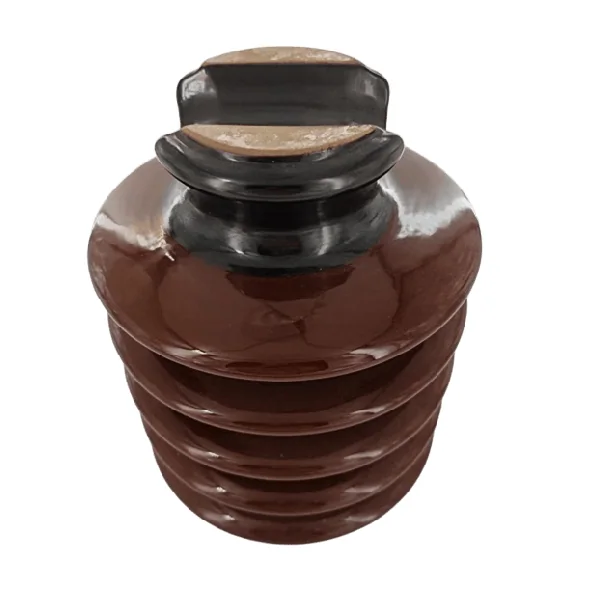
10kV/15kV/20kV Pin Type Porcelain Insulator PW-22-Y High Voltage Insulator
View specifications →Quick Answers
Straight answers to the questions buyers ask before a first order.
What does this guide cover?
Lines tripping every time fog rolls in? Flashovers turning your substation into a surprise light show?
Who wrote this?
Jiangxi Huayao Electric Co., Ltd., a toughened glass and porcelain insulator manufacturer in Luxi County, Pingxiang City, Jiangxi Province, China.
Where can I get the matching product data?
Every type in the catalogue publishes failing load, routine test load, nominal diameter, unit spacing, creepage distance, coupling size and net weight.
Need The Numbers For Your Own Line?
Send the voltage, pollution class and specified load, and we will return the matching type codes with drawings.