
Comparative Analysis Porcelain Disc Vs Polymer Disc Insulators
Choosing between porcelain and polymer disc insulators can feel like dating apps for power lines—both look fine from afar, but you’re scared one will crack under pressure or age badly in the rain.
Choosing between porcelain and polymer disc insulators can feel like dating apps for power lines—both look fine from afar, but you’re scared one will crack under pressure or age badly in the rain.
Relax: clear comparison of strength, pollution performance, and lifespan—backed by standards like IEC 60383 —lets you match the right insulator to your grid, cut outages, and avoid shocking maintenance bills.
⚡ Structural Differences Between Porcelain and Polymer Disc Insulators
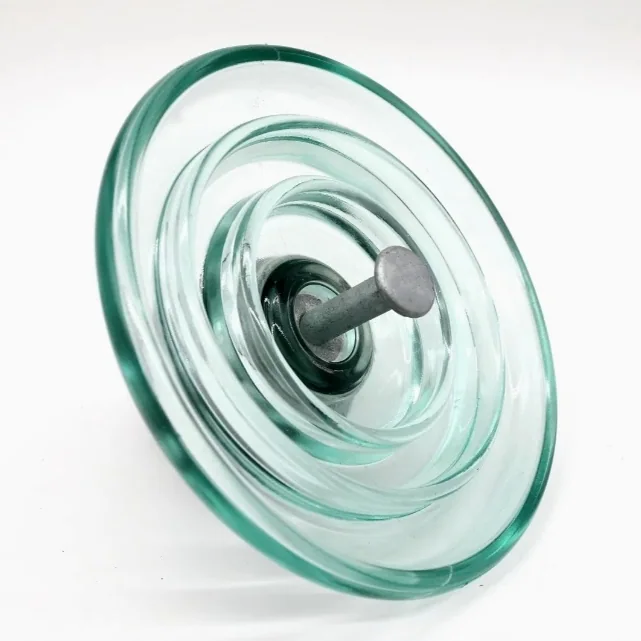
Porcelain disc insulators use fired ceramic and glazed surfaces, while polymer discs use fiberglass cores and silicone rubber sheds. Their structures affect weight, handling, and long-term reliability.
Understanding these differences helps engineers match insulator type to voltage level, pollution class, and mechanical loading on transmission and distribution lines.
1. Core Materials and Housing
Porcelain discs are solid ceramic units with metal end fittings. Polymer discs combine a fiberglass rod core with an external polymer housing and sheds for improved hydrophobicity.
Porcelain: dense, brittle, high compressive strength
Polymer: lighter, flexible, high tensile strength
2. Shed Geometry and Creepage Path
Both types use shed profiles to increase creepage distance. Polymer designs often allow larger creepage for the same diameter, improving performance in polluted or coastal areas.
3. Interfaces and Sealing
Porcelain relies on glaze and cemented caps and pins. Polymer units use crimped or compressed fittings with sealed end connections to protect the fiberglass core from moisture.
4. Compatibility with Existing Hardware
Porcelain discs match long‑used cap-and-pin hardware, ideal for retrofit projects. Polymer discs may need hardware checks but reduce tower weight and ease live-line work.
🔍 Electrical Performance, Leakage Current, and Dielectric Strength Comparison
Porcelain discs offer stable dielectric strength and low aging rates. Polymer discs provide superior pollution performance and lower leakage current under wet or coastal conditions.
Utilities often mix both technologies, using porcelain on clean lines and polymer where contamination, space limits, or higher insulation levels are critical.
1. Dielectric Strength Benchmarks
Both technologies meet IEC/ANSI standards, but polymer discs can deliver higher withstand voltages for the same creepage distance due to hydrophobic silicone surfaces.
2. Leakage Current under Pollution
Polymer discs maintain lower leakage current in salt fog and industrial environments. Their hydrophobicity reduces continuous film formation and flashover risk.
3. ECharts Leakage and Flashover Comparison
The following bar chart compares typical relative leakage current and flashover performance for porcelain and polymer disc insulators under polluted conditions.
4. Performance in Switching and Lightning Surges
Porcelain discs handle impulse stresses reliably due to their bulk ceramic body. Polymer discs can better manage surface discharges during repeated surge events.
🌧 Weathering, UV Resistance, and Environmental Durability in Outdoor Applications
Outdoor lines face rain, salt, dust, and sunlight. Porcelain and polymer discs age differently, so utilities should consider local climate and pollution level.
1. UV and Ozone Resistance
Porcelain shows excellent UV stability. Modern silicone rubber compounds in polymer discs resist UV and ozone but require quality control to avoid chalking.
2. Pollution and Salt Fog Tolerance
Polymer discs excel in coastal and industrial zones. Their hydrophobic surfaces limit continuous water films, reducing washing needs and flashover risk.
Desert dust: both types perform well with cleaning
Coastal salt: polymer often preferred
Industrial smog: polymer offers lower maintenance
3. Resistance to Thermal Cycling and Moisture
Porcelain handles temperature swings without serious aging if glaze stays intact. Polymer discs need sound sealing to keep moisture away from the fiberglass core.
🛠 Mechanical Strength, Installation Practices, and Typical Failure Modes
Mechanical demands vary from light distribution lines to heavy transmission corridors. Porcelain and polymer disc insulators respond differently to tension, shock, and vandalism.
1. Tensile and Bending Strength
Porcelain discs provide very high compressive and tensile strength but can fail suddenly if cracked. Polymer discs offer high tensile capacity with better impact tolerance.
2. Installation and Handling Practices
Porcelain discs need careful handling to prevent hidden cracks. Polymer discs simplify string assembly and reduce tower loading, improving safety during live-line work.
3. Typical Failure Modes in Service
Porcelain failures usually involve brittle fracture or puncture. Polymer discs may suffer housing erosion, rod damage, or end fitting corrosion if not properly sealed.
🏭 Lifecycle Cost, Maintenance Requirements, and Why Choose Huayao Insulators
Total cost includes purchase price, logistics, outages, and field maintenance. Both porcelain and polymer discs can be cost‑effective in the right setting.
1. Initial Cost vs. Long-Term Value
Porcelain discs often have lower initial cost and proven longevity. Polymer discs may reduce tower and foundation costs due to lighter strings and simpler handling.
2. Cleaning, Inspection, and Replacement Intervals
Porcelain in heavy pollution may require regular washing. Polymer discs can extend cleaning intervals but must be inspected for housing erosion and interface issues.
3. Why Work with Huayao Insulators
Huayao offers a full porcelain range, including Electric insulator ANSI 53-4 Spool porcelain insulator , Pin type insulators for medium voltage ANSI 55-4 , and 10kV/15kV/20kV pin type porcelain insulator PW-15-Y high voltage insulator , supporting reliable line design worldwide.
Conclusion
Porcelain disc insulators deliver proven durability, strong dielectric strength, and simple inspection. Polymer discs offer lower weight and better pollution performance, especially in coastal or industrial environments.
By comparing structural, electrical, and mechanical features, utilities can select the best mix of porcelain and polymer technologies to improve reliability and reduce lifetime cost.
Frequently Asked Questions about porcelain disc insulator
1. What is a porcelain disc insulator used for?
Porcelain disc insulators support and insulate conductors on overhead transmission and distribution lines, preventing current from flowing to towers or poles.
2. Are porcelain disc insulators suitable for coastal areas?
Yes, but they may require more frequent washing in heavy salt fog. In very harsh zones, many utilities prefer polymer discs to cut maintenance.
3. How long can porcelain disc insulators last in service?
With proper design and normal conditions, porcelain disc insulators can operate reliably for 30–50 years or more, often outlasting other line components.
4. What are common signs of porcelain disc insulator damage?
Look for visible cracks, broken sheds, glaze damage, pollution buildup, and evidence of flashover marks around the metal end fittings or pin areas.
5. Can porcelain disc insulators be mixed with polymer discs in one string?
Yes, but engineers should assess mechanical balance, electrical coordination, and standards compliance to ensure the mixed string behaves predictably under stress.
Types You Can Order
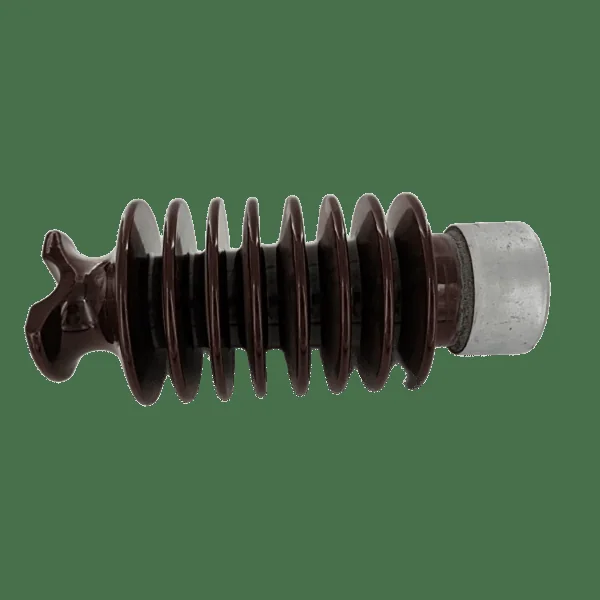
High Voltage Post Electrical Porcelain Insulator 57-3
View specifications →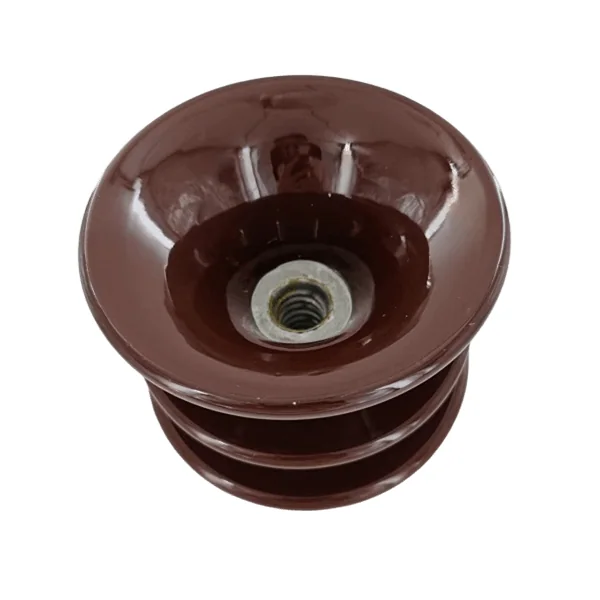
10kV/15kV/20kV Pin Type Porcelain Insulator P-11-Y High Voltage Insulator
View specifications →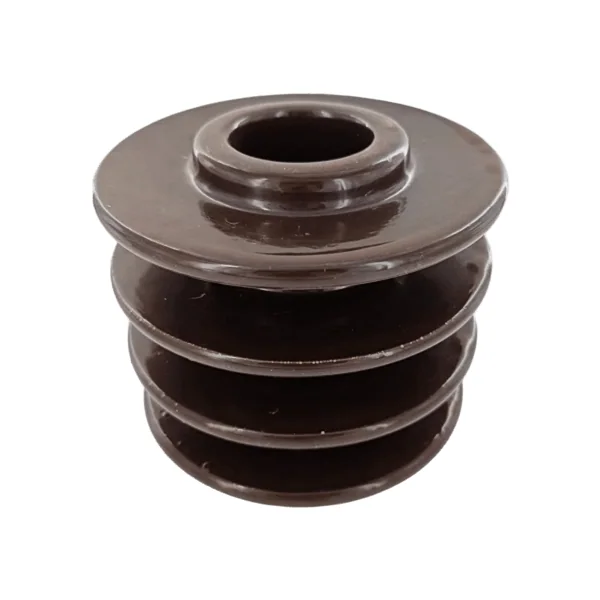
10kV/15kV/20kV Pin Type Porcelain Insulator PW-15-Y High Voltage Insulator
View specifications →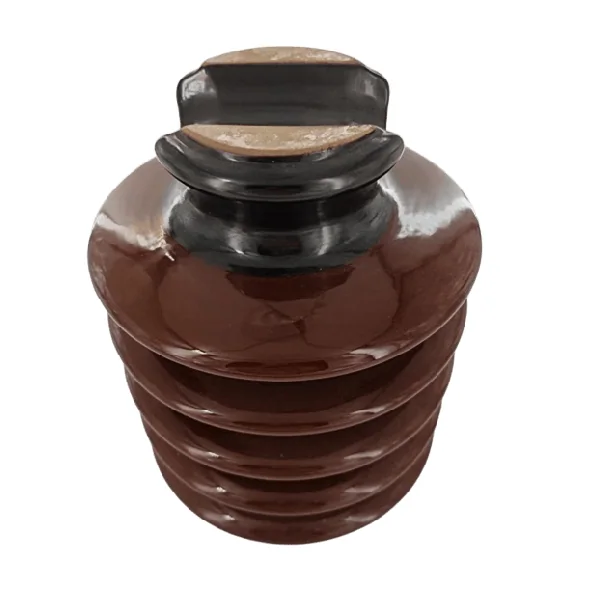
10kV/15kV/20kV Pin Type Porcelain Insulator PW-22-Y High Voltage Insulator
View specifications →Quick Answers
Straight answers to the questions buyers ask before a first order.
What does this guide cover?
Choosing between porcelain and polymer disc insulators can feel like dating apps for power lines—both look fine from afar, but you’re scared one will crack under pressure or age badly in the rain.
Who wrote this?
Jiangxi Huayao Electric Co., Ltd., a toughened glass and porcelain insulator manufacturer in Luxi County, Pingxiang City, Jiangxi Province, China.
Where can I get the matching product data?
Every type in the catalogue publishes failing load, routine test load, nominal diameter, unit spacing, creepage distance, coupling size and net weight.
Need The Numbers For Your Own Line?
Send the voltage, pollution class and specified load, and we will return the matching type codes with drawings.