
Comparative Analysis Porcelain Vs Toughened Glass Insulators
You just wanted reliable power lines, but now you’re stuck choosing between porcelain and toughened glass insulators—like picking a favorite child you’ve never met, while engineers argue and your budget silently cries in the corne
You just wanted reliable power lines, but now you’re stuck choosing between porcelain and toughened glass insulators—like picking a favorite child you’ve never met, while engineers argue and your budget silently cries in the corner.
To fix this, compare durability, maintenance, and cost using clear data. Start with real-world performance tests and international standards from reports like the IEEE comparative study on porcelain and glass insulators , then match findings to your grid’s climate and loading conditions.
🔌 Material Composition and Structural Properties of Porcelain and Toughened Glass Insulators
Porcelain and toughened glass insulators use different raw materials and firing or tempering methods, which strongly affect their density, surface quality, and long‑term reliability in power networks.
Porcelain offers flexible shapes such as Electric insulator ANSI 53-3 Spool porcelain insulator and Pin type insulators for medium voltage ANSI 55-4 , while glass gives excellent visual inspection and smooth surfaces.
1. Raw Materials and Manufacturing Routes
Porcelain uses clay, feldspar, and quartz fired at high temperature, while toughened glass uses soda‑lime silica glass rapidly cooled to lock in compressive stress.
Porcelain: sintered ceramic body, glaze coating
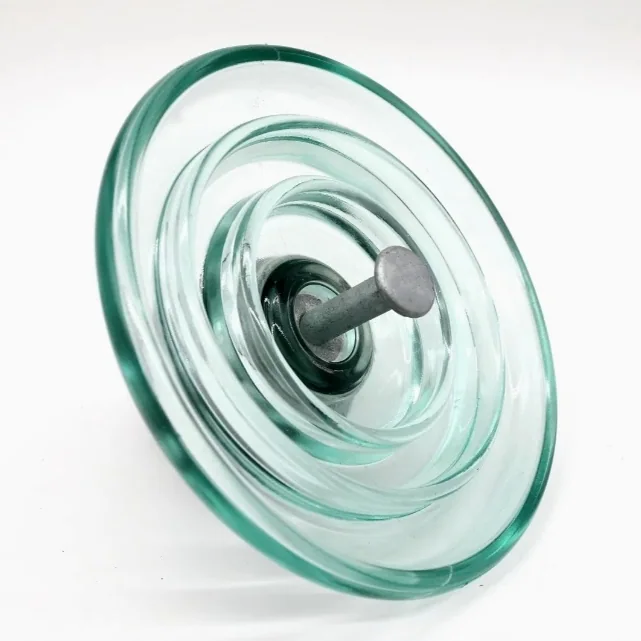
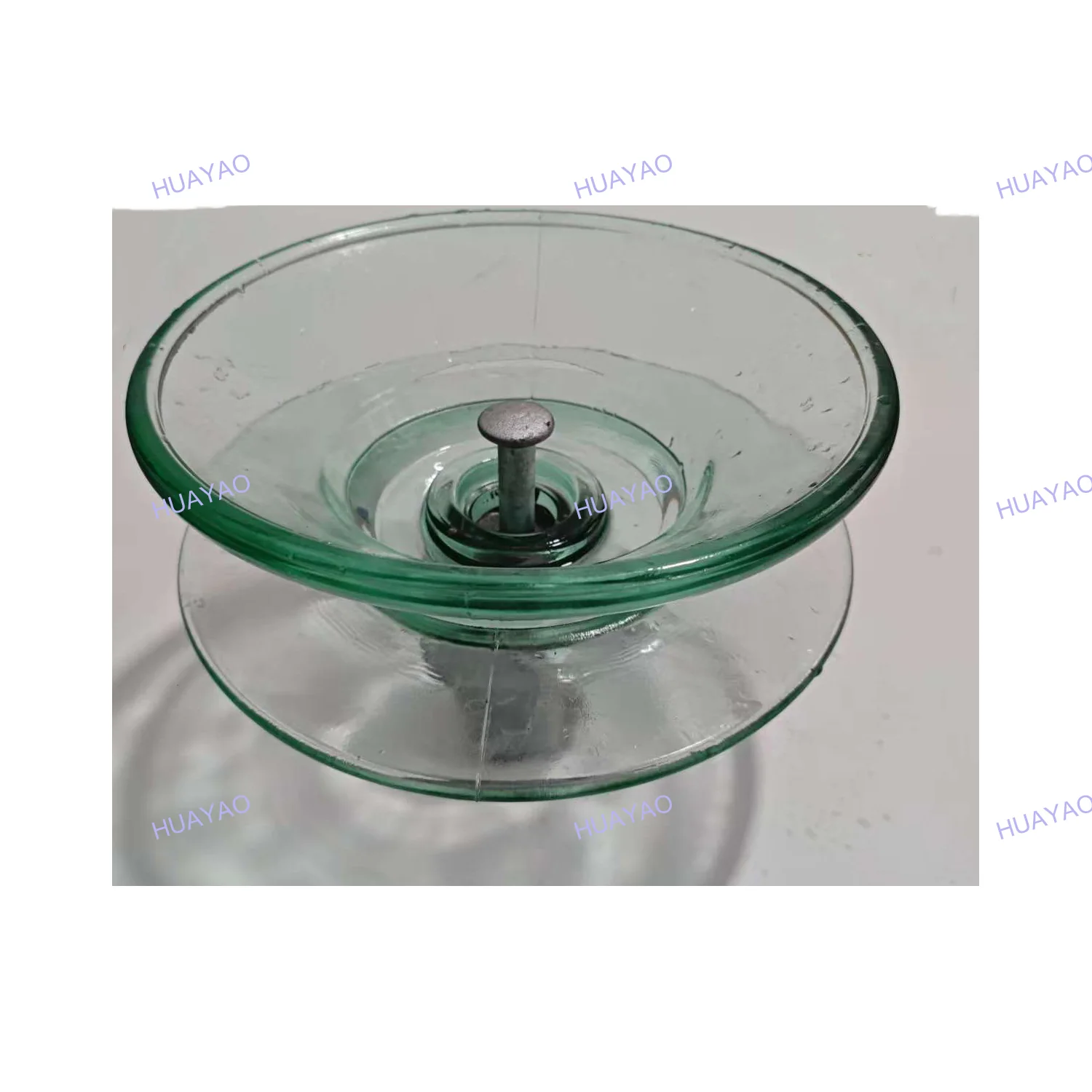
Glass: homogeneous, tempered disc units
Both: metal fittings cemented or crimped to body
2. Microstructure and Defect Control
Porcelain has a multiphase microstructure with pores; glass is amorphous and dense. Quality control aims to limit cracks, inclusions, and large pores.
3. Design Flexibility and Shape Options
Porcelain allows complex posts such as the High voltage post electrical porcelain insulator 57-13A , while glass mainly uses standardized suspension discs.
Porcelain: posts, pins, spools, bushings
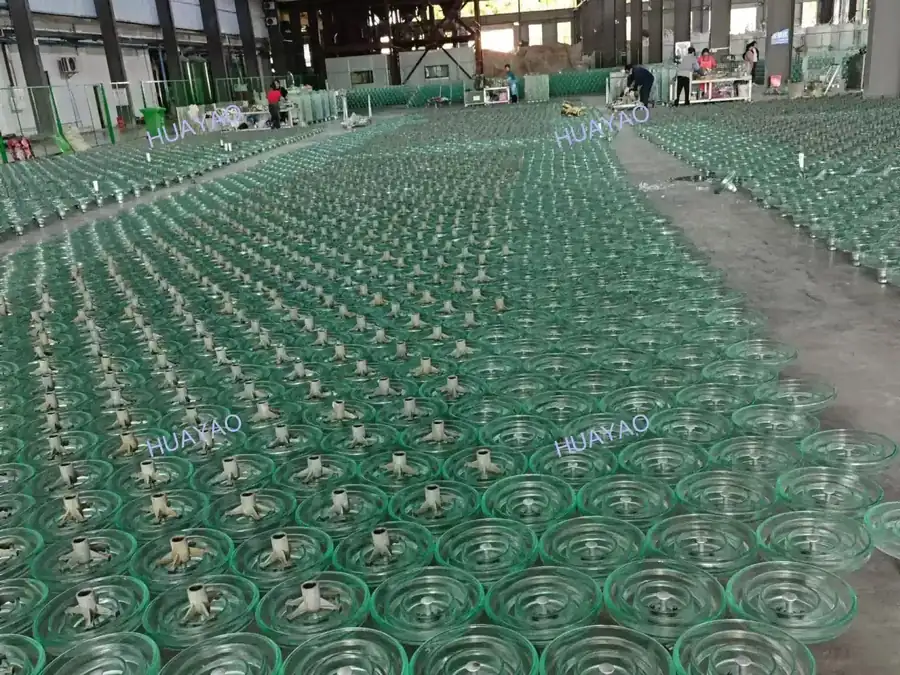
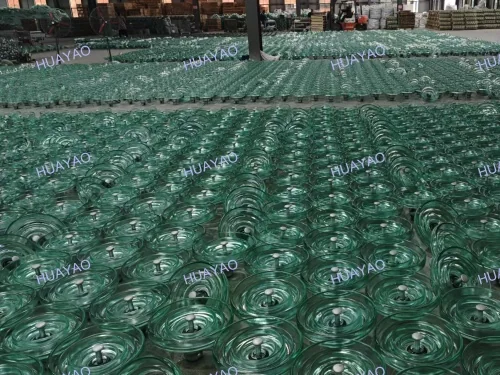
Glass: suspension discs, line strings
Result: porcelain better for compact substations
4. Surface Finish, Glaze, and Hydrophobicity
Glazed porcelain and smooth glass both offer good pollution performance; glass is very smooth, while glaze quality controls porcelain surface behavior.
⚡ Electrical Performance, Dielectric Strength, and Leakage Characteristics Comparison
Both materials show high dielectric strength and low leakage current when clean. Under pollution and wetting, design shape and surface condition drive most performance differences.
System planners compare basic impulse levels, creepage distance, and pollution flashover strength to select porcelain or glass for each voltage level and environment.
1. Dielectric Strength under Dry Conditions
Both porcelain and toughened glass provide very high dry flashover and puncture strength, making them suitable for high‑voltage and extra‑high‑voltage overhead lines.
Dry BIL similar for equal creepage
Design profile often more important than material
2. Performance under Wet and Polluted Conditions
Under rain or salt fog, surface leakage and dry band arcing increase. Hydrophobic glaze and clean glass help delay flashover and improve performance.
3. Leakage Current and Flashover Risk
Higher leakage current raises flashover risk. Profiles with long creepage and sheds limit current for both materials in industrial and coastal areas.
Leakage current: monitored in test lines
Glass often shows slightly lower current when clean
4. Radio Interference and Partial Discharge Behavior
Smooth, defect‑free surfaces reduce corona and radio interference. Correct grading rings and hardware help both materials meet strict EMC limits.
🌦️ Weather Resistance, Aging Behavior, and Environmental Durability in Field Conditions
Porcelain and toughened glass both handle UV, rain, and temperature cycles well, but they age differently under mechanical shock and pollution.
Choice depends on climate, contamination level, and inspection practices across the transmission or distribution network.
1. UV, Temperature Cycling, and Moisture
Both materials resist UV and thermal cycling, but seals and fittings must stay tight to stop moisture from entering the cement joints.
Stable electrical properties over decades
Periodic checks of metal fittings recommended
2. Pollution, Salt Fog, and Industrial Emissions
Pollution layers form on both surfaces. Regular washing, optimized creepage, and proper shed design are key in coastal and industrial regions.
3. Long‑Term Aging and Visual Condition
Glass stays clear and shows damage clearly; porcelain hides inner cracks but glaze crazing can indicate aging or thermal stress.
Glass: easy visual rejection of broken discs
Porcelain: requires detailed inspection and testing
🛠️ Mechanical Strength, Impact Resistance, and Typical Failure Modes in Service
Porcelain and toughened glass both ensure high mechanical strength, yet their response to impact and overload differs in the field.
Engineers must understand failure modes to plan safe inspections and replacement strategies.
1. Tensile and Bending Strength
Porcelain posts and pin insulators carry bending and compression well, while glass disc strings mainly work in tension along the line direction.
2. Impact and Vandalism Resistance
Toughened glass intentionally shatters into small pieces when overloaded, usually leaving part of the disc string in service until replacement.
Glass: safe shatter, easy to detect
Porcelain: may crack but not fully fail at once
3. Typical Field Failure Modes
Porcelain may show hidden puncture or cement growth, while glass mainly fails by complete disc shattering or hardware problems.
📊 Lifecycle Cost, Maintenance Requirements, and Reliability Assessment for Power Systems
Both technologies can reach long service life, but inspection strategy, washing needs, and replacement costs shape overall lifecycle economics.
Utility planners weigh capital cost, outage risk, and maintenance skill levels before standardizing on porcelain, glass, or a mix.
1. Initial Investment and Standardization
Porcelain often dominates for complex shapes, while glass discs are cost‑effective for long transmission strings with standardized designs.
Bulk purchase reduces per‑unit price
Standard strings simplify design and spares
2. Inspection, Washing, and Condition Monitoring
Glass allows simple visual checks from the ground, while porcelain may need closer inspection, infrared scans, or electrical tests.
3. Reliability Metrics and Risk of Outage
Both types reach high reliability when correctly specified. Pollution, design errors, or poor fittings cause most unplanned outages, not the base material.
Use test lines to compare options
Track failure statistics by region and climate
Conclusion
Porcelain and toughened glass insulators both deliver high electrical, mechanical, and environmental performance when correctly engineered. Their differences mainly affect inspection, impact behavior, and design flexibility.
For new projects, engineers should align material choice with climate, pollution level, voltage class, and maintenance practice to reach the best long‑term cost and reliability balance.
Frequently Asked Questions about toughened glass suspension insulator
1. Why do utilities prefer toughened glass suspension insulators on many transmission lines?
Utilities value toughened glass because it offers very high mechanical strength, easy visual inspection of damage, and stable surface properties over a long service life.
2. How does toughened glass behave when it is hit or overloaded?
When overstressed, toughened glass shatters into many small pieces, but the hardware often still carries the mechanical load until the unit is replaced.
3. Are toughened glass suspension insulators suitable for coastal or polluted areas?
Yes. With adequate creepage distance and regular washing, toughened glass performs well in coastal, industrial, and desert environments with heavy pollution.
4. Can toughened glass discs be mixed with porcelain units in the same line string?
In practice, engineers avoid mixing materials in a single string. Most standards recommend using either all glass or all porcelain for consistent behavior.
5. What is the typical service life of a toughened glass suspension insulator?
When correctly specified and installed, toughened glass suspension insulators can reach thirty years or more of reliable service, with minimal change in electrical performance.
Types You Can Order
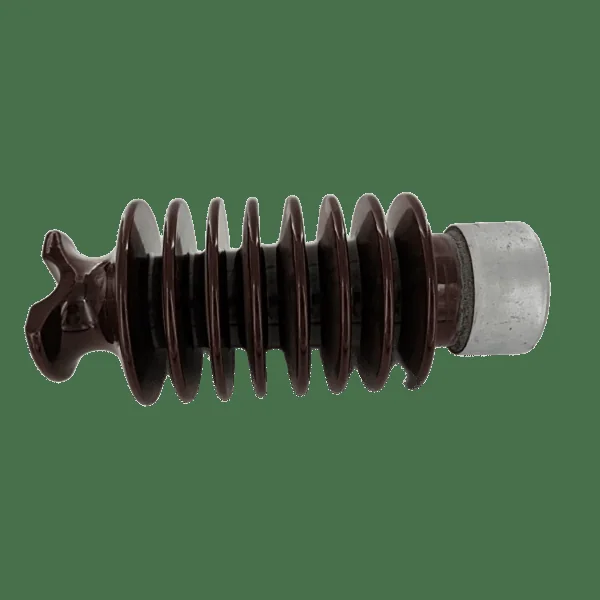
High Voltage Post Electrical Porcelain Insulator 57-3
View specifications →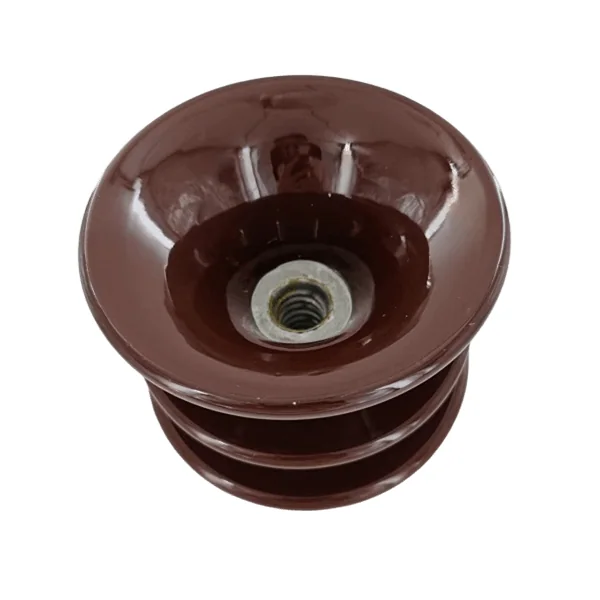
10kV/15kV/20kV Pin Type Porcelain Insulator P-11-Y High Voltage Insulator
View specifications →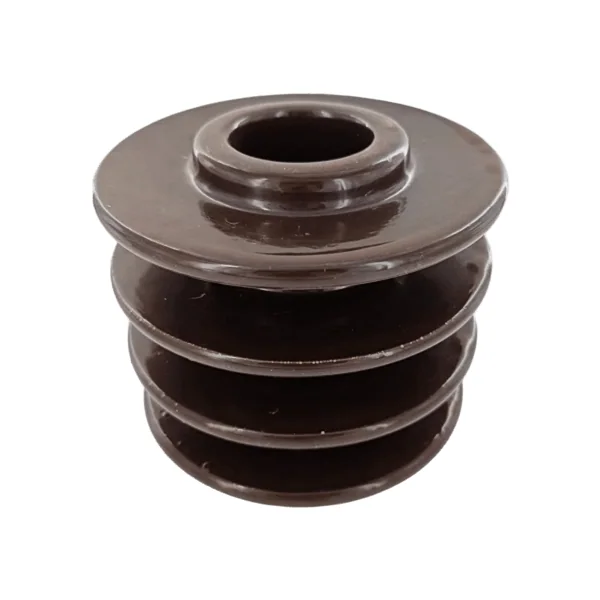
10kV/15kV/20kV Pin Type Porcelain Insulator PW-15-Y High Voltage Insulator
View specifications →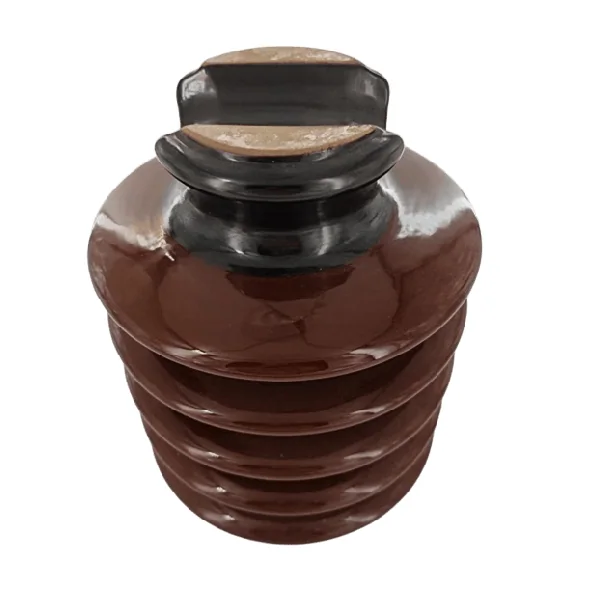
10kV/15kV/20kV Pin Type Porcelain Insulator PW-22-Y High Voltage Insulator
View specifications →Quick Answers
Straight answers to the questions buyers ask before a first order.
What does this guide cover?
You just wanted reliable power lines, but now you’re stuck choosing between porcelain and toughened glass insulators—like picking a favorite child you’ve never met, while engineers argue and your budget silently cries in the corne
Who wrote this?
Jiangxi Huayao Electric Co., Ltd., a toughened glass and porcelain insulator manufacturer in Luxi County, Pingxiang City, Jiangxi Province, China.
Where can I get the matching product data?
Every type in the catalogue publishes failing load, routine test load, nominal diameter, unit spacing, creepage distance, coupling size and net weight.
Need The Numbers For Your Own Line?
Send the voltage, pollution class and specified load, and we will return the matching type codes with drawings.