Design Guide
Shaker Kitchen Cabinets Explained For Importers
Why the shaker door outsells every other profile in export kitchen programmes, and how paint veneer and solid timber versions differ.
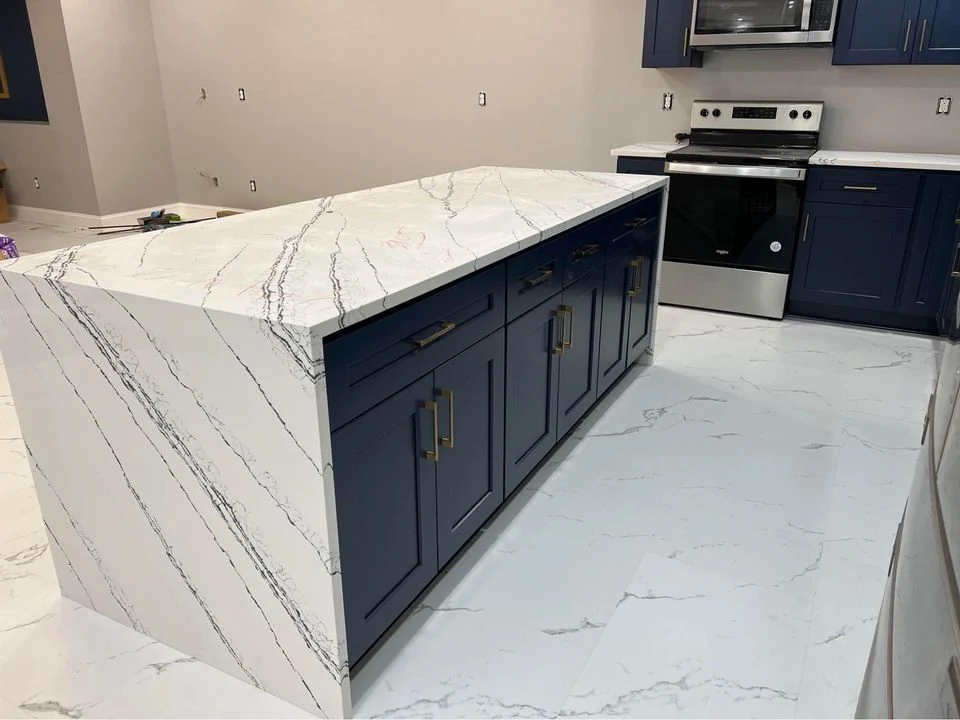
What Makes A Door Shaker
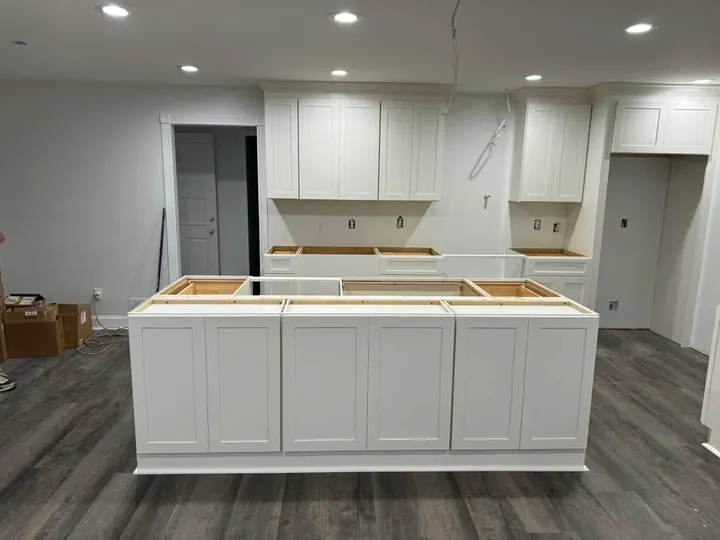
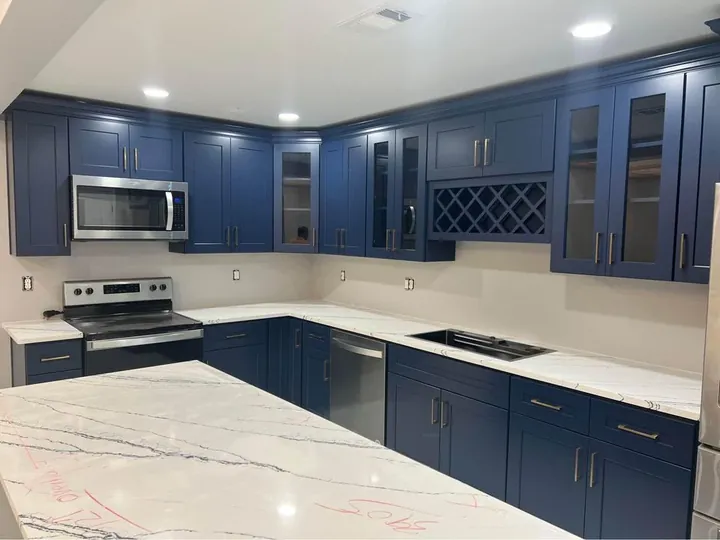
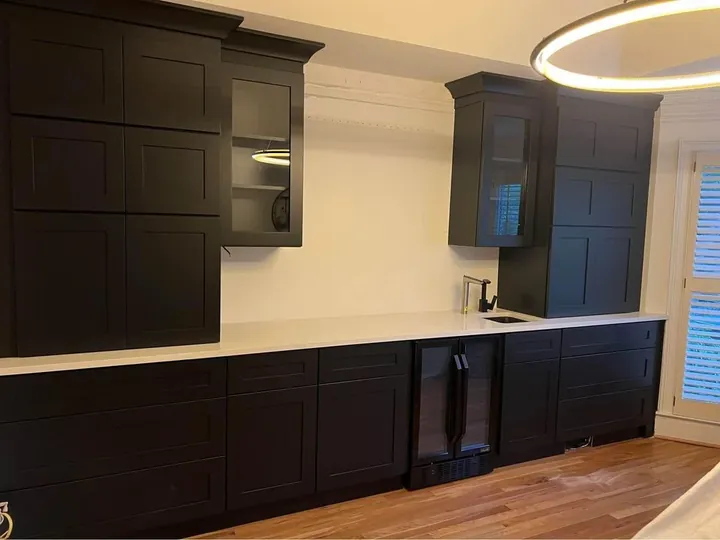
A shaker door is a flat recessed centre panel inside a square-edged frame. There is no moulding, no bevel and no raised panel - the entire effect comes from the step between the frame and the centre. That restraint is the reason the profile has survived for well over a century and the reason it reads as neither traditional nor modern, which is precisely what makes it safe for an export programme.
Why It Suits An Export Range
A supplier stocking one door profile for several markets needs a profile that does not date and does not belong to one national style. Heavily moulded doors sell in some markets and are unsellable in others. Flat slab doors are strongly contemporary and go in and out of favour. Shaker sits between the two, which is why a single shaker programme in two or three colours can serve markets that would otherwise need separate ranges.
Painted MDF Shaker
The most common version, and the reason MDF exists in cabinet work. The frame and panel are machined from fibre panel with no grain to raise and no joints to telegraph, then painted. The result is an even colour across a whole kitchen run and a crisp step at the frame edge. It is the right choice when the kitchen is meant to be a quiet background - and when a retailer needs colour consistency across repeat orders more than it needs timber character.
White Oak Veneer Shaker
Here the same profile is built with a real white oak veneer face, so the door shows actual timber grain. White oak is pale, straight-grained and even, which is why it reads as contemporary where a heavily figured timber would read as traditional. This is the specification for open-plan rooms where the kitchen is on permanent display, and it is a genuinely different product from the painted version - different cost, different behaviour in humidity, different repair route.
Solid Wood Shaker
A frame-and-panel door in solid timber is the original construction. It can be refinished repeatedly and repaired invisibly, and it is the only version where a deep scratch is not permanent. The trade is movement: solid frames respond to humidity, so joints can show a hairline in dry seasons. Usually specified for higher-value projects where the ability to refinish matters more than absolute stability.
Doors Only Or Complete Cabinets
Two routes exist for an importer. Buy the complete RTA cabinet - carcase, door, fittings - and have one supplier responsible for the fit between them. Or buy the shaker door fronts alone and mount them on carcases you already build or source. The second route is common for joinery companies with carcase capacity and no door line, and it is why the shaker door is listed here as a product in its own right.
Quoting A Kitchen Properly
The mistake that costs money is quoting a kitchen as a list of base and wall units. A real kitchen needs end panels where a run stops, filler pieces where it meets a wall out of square, and a plan that accounts for appliance positions. Sending the floor plan and the elevations rather than a unit count gets a quotation that includes those pieces, which is the difference between the price you agreed and the price you end up paying.
Have a specific case? Send the dimensions, the drawer schedule or the floor plan and you will get an answer about your project rather than the general rule.
Ask Our Export Team