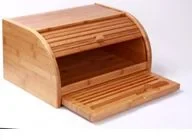
Bamboo kitchenware is bought because it looks good and returned because it warped. Both of those outcomes are decided by moisture, one before the goods ship and one after the customer gets them home.
Bamboo Behaves Like Timber Not Like Plastic
Bamboo is a grass, but once it is cut into strips and laminated into a panel it behaves like wood. It takes up moisture from the air, swells, dries out again and shrinks, and it does all of that unevenly across a laminated panel.
Every failure in this category comes from that one fact. A board that cups, a tray whose corner joints open, a bread box whose slats split: all of it is moisture movement working against a glue line.
Moisture Content Before Shipping Is The Factory's Job
Bamboo that is packed too wet will dry out in a destination warehouse and move. Bamboo packed too dry will take up moisture on a humid sea crossing and move the other way. Either way the buyer opens the cartons to warped goods, and by then it is too late.
This is why moisture content is checked before packing rather than assumed. It is a dull control that costs almost nothing and prevents the most expensive failure in the category. Ask any bamboo supplier whether they check it, and take the answer seriously.
The Four Care Rules That Actually Matter
Never put bamboo in a dishwasher. A dishwasher combines prolonged soaking, high heat and alkaline detergent, which is a precise recipe for opening laminations. This rule alone prevents most returns.
Never leave bamboo soaking in a sink. Wash it quickly, rinse it and dry it immediately.
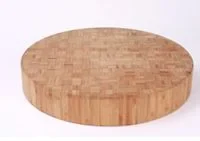
Oil it. Food safe mineral oil monthly keeps moisture out of the glue lines and stops the surface drying and cracking. End grain blocks need it more often than face grain boards, because end grain absorbs far more.
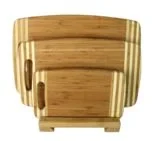
Dry both faces. A board left flat on a worktop dries on one side and cups. Store boards upright, which is the entire reason board sets come with a stand.
Design Decisions That Reduce Returns
Put the dimensions on the carton. On drawer items, the wrong size is the main reason goods come back, and a printed dimension on the pack solves it for the cost of some ink.
Print the care instructions where the customer will see them, not on a tag that gets cut off. Most bamboo returns are avoidable and most of them are care failures.
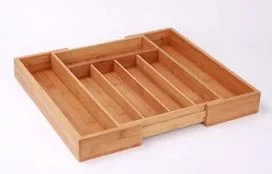
Consider an expandable format on drawer products. One expandable organiser covers the drawer widths that would otherwise need three fixed sizes, and it removes the measuring step the customer usually gets wrong.
What To Inspect On Arrival
Look at the edges of a laminated panel, not the face. Gaps and voids at the edge are where delamination starts, and they are visible before the product fails.
Run a hand over every machined edge. Sanding is the step most often rushed, and a splinter on a kitchen item generates a complaint that no amount of good design recovers from.
Lay boards on a flat surface and check for rock. A board that cups slightly on arrival will cup further once it settles into a heated kitchen.