Home › Knowledge Centre › Storing and Handling Electron Tubes and High Voltage Components
Maintenance Guide
Storing and Handling Electron Tubes and High Voltage Components
Practical storage and handling rules that keep spares serviceable, from shelf conditions to the checks worth making before a tube goes into equipment.
Keep Spares in Their Packing
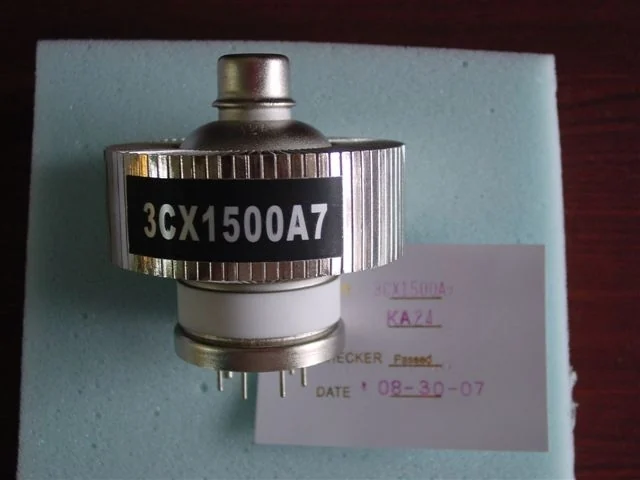
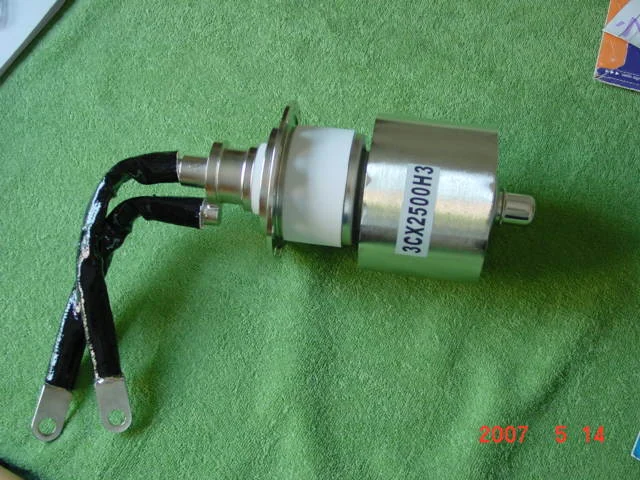
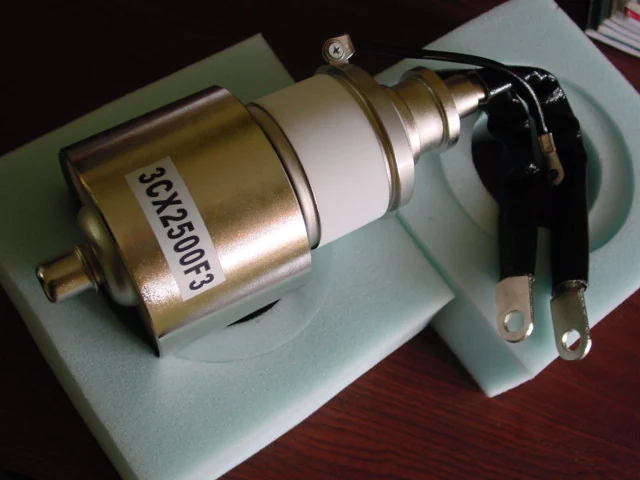
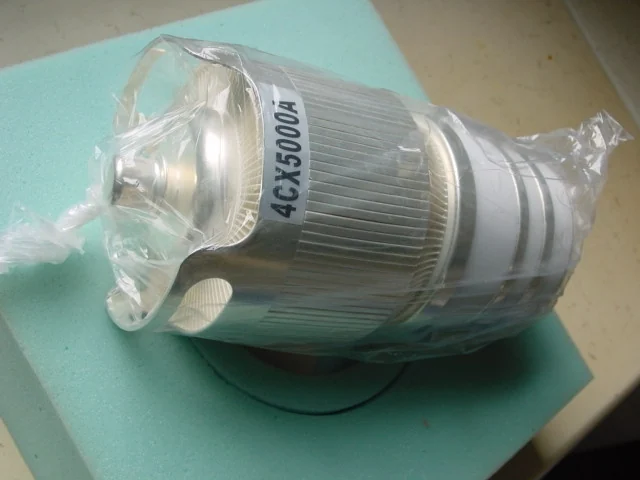
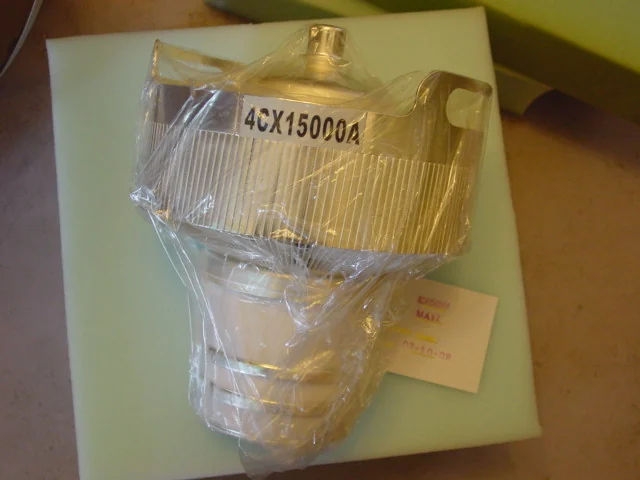
A tube is best protected by the box it arrived in. Spares stored loose on a shelf collect knocks on the pins and the top cap, and those are exactly the surfaces that have to make good contact. Label the outside of the box so nobody has to open it to find out what is inside.
Shelf Conditions
Dry, stable temperature, away from vibration and away from anything that will fall on them. Humidity is the enemy of pins and of printed markings. Store upright unless the type specifies otherwise, and keep mercury types in the orientation specified for them.
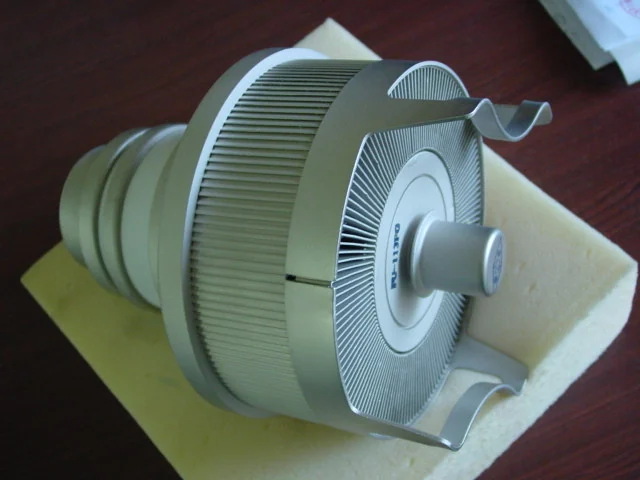
Handle by the body. Never carry a power tube by its anode terminal or its top cap, and never use the cooler as a handle. A tube that has been dropped should be set aside rather than fitted, because the damage that matters is often internal and invisible.
Checks Before Fitting
Inspect pins and contact rings for corrosion or distortion. Check that the socket has good contact pressure and that chimneys or jackets are clean and undamaged. On a water cooled installation, confirm flow before applying power.
First Power Up
Observe the specified cathode warm up before applying high voltage. This matters particularly for gas filled tubes and for any tube that has been in storage for a long period.
Rotating Stock
Where several of one type are held, use the oldest first and replace what you take out. A spares shelf that is never reviewed eventually contains items nobody trusts.
 Request A Quotation