Why pin count is not enough, what the GZC and SK ranges cover, and what to check before ordering a socket for an audio or transmitting tube.
Pin Count Is Only the Start
An eight pin socket is not one product. Within the same pin count the pin circle diameter the keyway position the body material and the mounting pattern all vary, and a socket that is right for one octal type can be wrong for another. The reliable way to order is by naming the tube the socket has to carry.
Audio Base Layouts
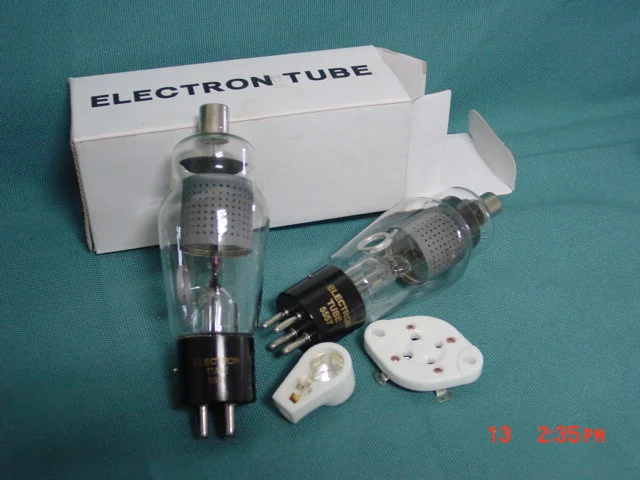
The GZC range covers the base layouts used by the common audio types. Directly heated triodes such as 2A3 300B 845 and 211 use four pin layouts with different pin diameters, output tubes such as KT88 EL34 and 6L6 use octal layouts, and small signal types such as 12AX7 and 12AU7 use nine pin miniature layouts. Ceramic bodies are preferred where the tube runs hot or where the socket carries high voltage.
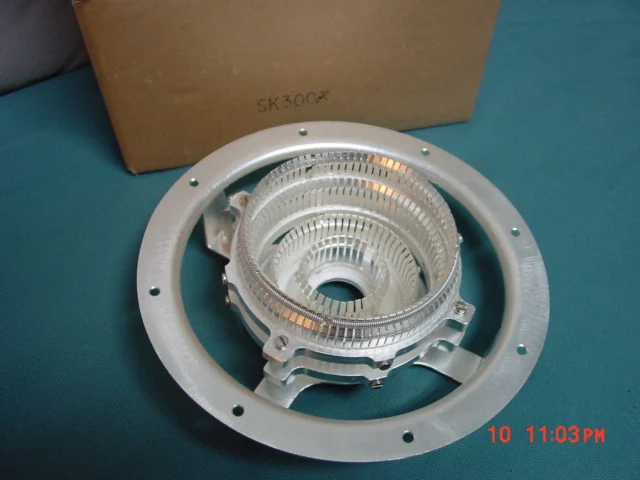
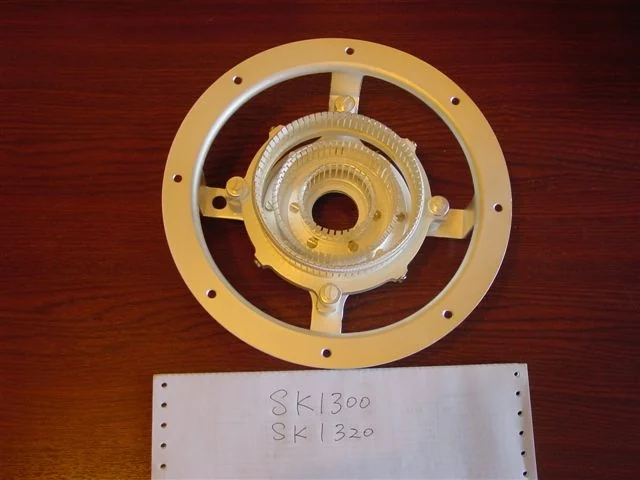
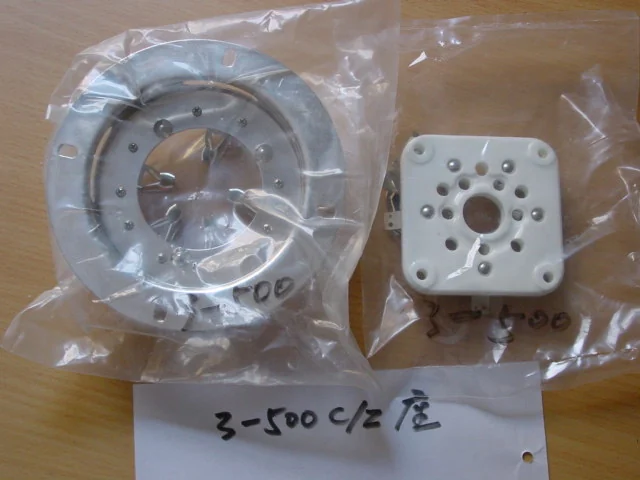
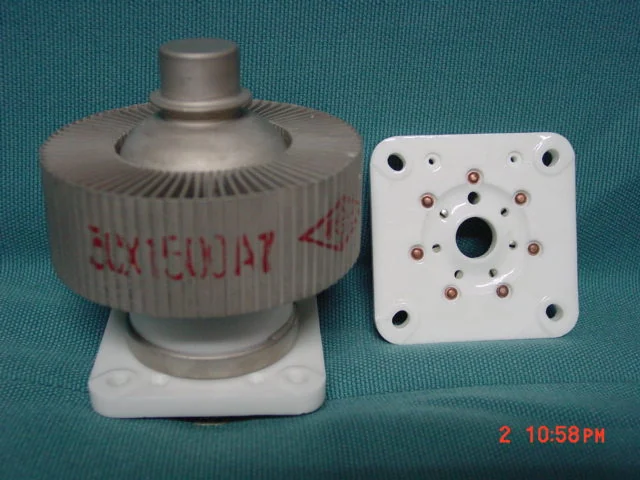
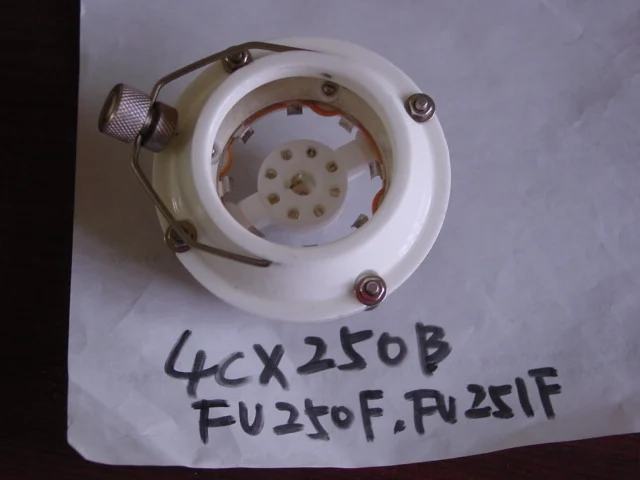
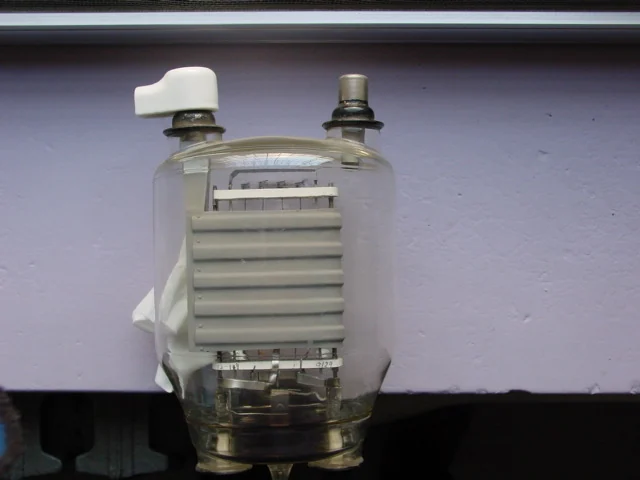
Transmitting tubes bring additional requirements: high voltage creepage distance, contact pressure that survives thermal cycling, and in many cases a separate top cap connector. Sockets in the SK range and the equivalent Chinese ranges are built around specific tube families such as 4CX250B and 3CX1500A7 rather than being generic parts.
Top Cap Connectors
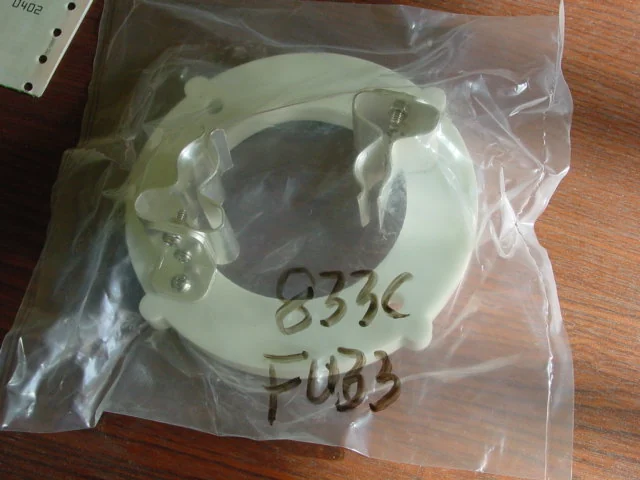
Any tube with a top terminal needs a cap connector sized to the terminal diameter, with a lead rated for the voltage at that point in the circuit. Families such as 833 FU33 and NL5557 FG17 have their own cap sockets. This is the single most forgotten item in a tube order.
Mechanical Checks Before You Order
Measure the cutout in your chassis, note the mounting hole pattern, and check whether the socket is fitted from above or below the chassis. If you are replacing a socket in existing equipment, photograph it in place before removal. Those three pieces of information resolve most socket questions in one email.
Fitting and Maintenance
Clean contact surfaces before fitting a new tube. Sockets with weakened contact pressure heat at the contact and damage the pins of the next tube that goes in, so a socket that has been through several tube changes should be replaced with the tube rather than kept.
Usually. Send the photograph together with the tube type it has to carry and the chassis cutout dimensions.
Are ceramic sockets always better?
For hot running and high voltage positions ceramic is the normal choice. For small signal positions the requirement is usually contact quality rather than body material.
Put This Into an Enquiry
Send the designations you have identified together with quantities. Price and availability come back by email.
 Request A Quotation