Home › Knowledge Centre › How to Read Electron Tube Type Numbers Before You Order
Buying Guide
How to Read Electron Tube Type Numbers Before You Order
The type designation is the only thing a tube supplier can buy and sell against. This guide explains how the common Chinese Western and Russian numbering systems are structured and what to send with an enquiry.
Why the Type Number Decides Everything
Electron tubes are not specified the way a resistor is specified. There is no parametric search that gets you to the right item, because the electrode geometry the cooling arrangement and the base layout are all bound up in one designation that was assigned when the type was released. Two tubes with similar power handling can be completely different parts. When an engineer sends us a number off a nameplate, that number is the specification.
The Suffix Letters Are Part of the Number
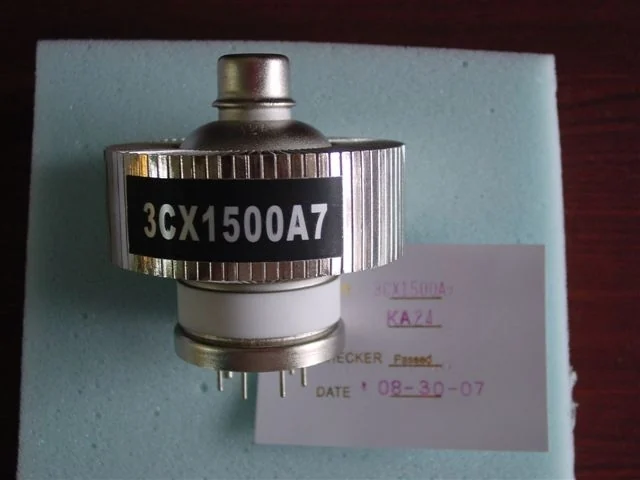
The most common cause of a wrong shipment is a dropped suffix. Within one family the letters after the digits identify the cooling method the base style or a production variant, and equipment built for one variant will not always accept another. Copy the designation exactly as it is printed, including spacing and any hyphen, and mention anything stamped on the base that looks like a factory or date code.
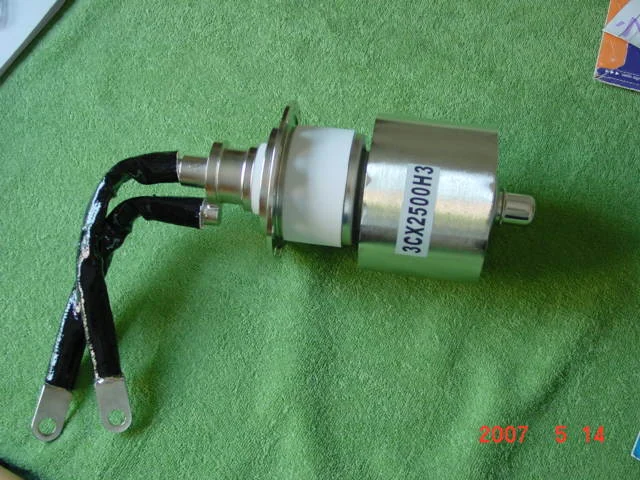
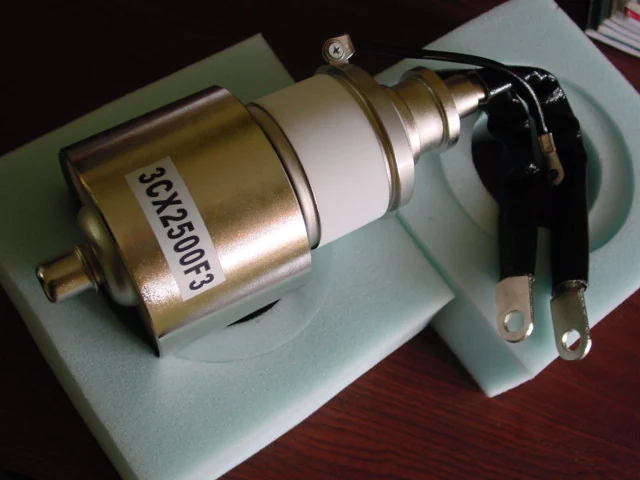
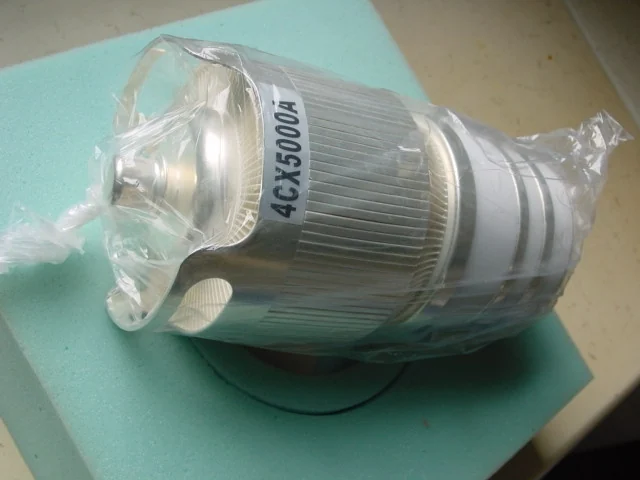
Types such as 3CX 3CW 4CX and 4CW follow a convention where the first digit relates to the number of electrodes in the structure, the letter group describes construction and cooling, and the digits that follow relate to the anode dissipation class. Reading the pattern helps you recognise a family, but it does not replace the data sheet: use it to know what kind of tube you are looking at, and confirm the ratings before you design around them.
Chinese Designations
Chinese industrial tubes are commonly listed as FU ITK ITL TB and ZG or ZQM types. The FU and TB groups cover transmitting and oscillator tubes, the ITK and ITL groups cover industrial oscillator triodes, and ZG and ZQM cover thyratrons and switching devices. Plant built in China often carries these numbers alone in the manual, which is why a Western distributor search returns nothing.
Japanese and Cross-Referenced Types
Toshiba designations such as the 7T 8T 9T and E30 series appear widely in industrial RF and broadcast equipment built in Japan. They are usually cross referenced to Chinese or Western types in the same class, so an enquiry against the original number can often be answered even where the original production has ended.
Russian and USA Switching Tubes
Thyratrons are the clearest example of one device under several numbers. The same switching tube appears as an NL number, an FG number and a Chinese ZQM designation depending on who wrote the catalogue. When you send a switching tube enquiry, include every marking on the glass and the base, even the ones that look like production codes.
What to Send With an Enquiry
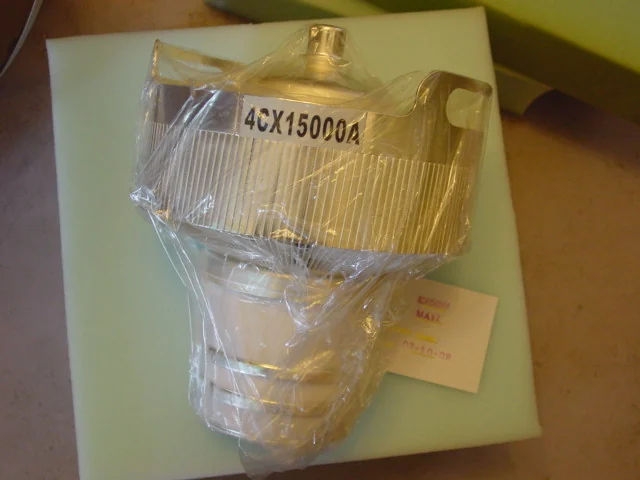
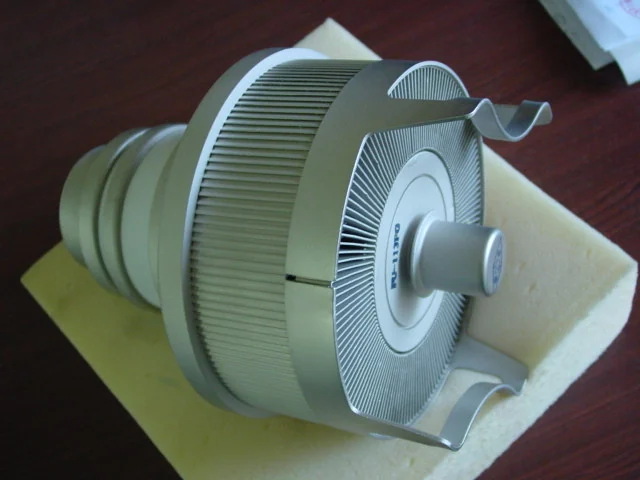
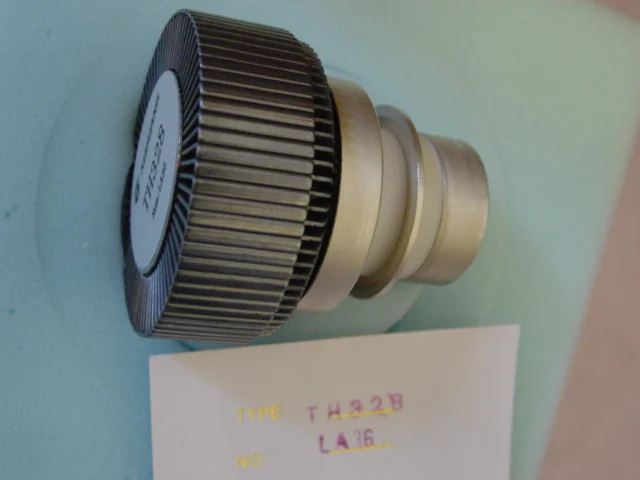
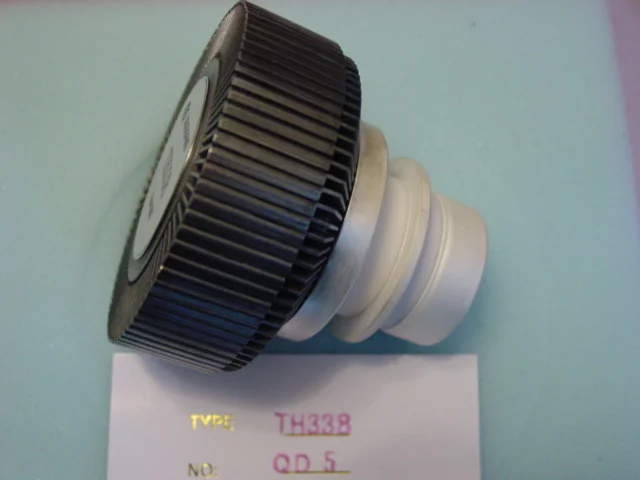
Send the type designation exactly as printed, the quantity you need, the equipment the tube is fitted to if you know it, and a photograph of the tube or the label. Say whether you need the socket the cap connector or the cooling parts as well. That is enough for a written quotation with price and availability.
Send a photograph of the tube and tell us what the equipment is. The physical shape the base style and the cooling arrangement narrow the possibilities considerably.
Can I order using a competitor part number?
Send whatever number you have. Cross references between Chinese Western Japanese and Russian designations are a normal part of answering a tube enquiry.
Put This Into an Enquiry
Send the designations you have identified together with quantities. Price and availability come back by email.
 Request A Quotation