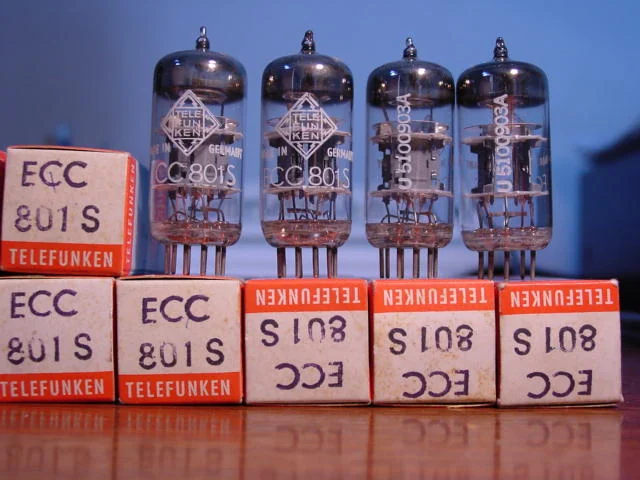
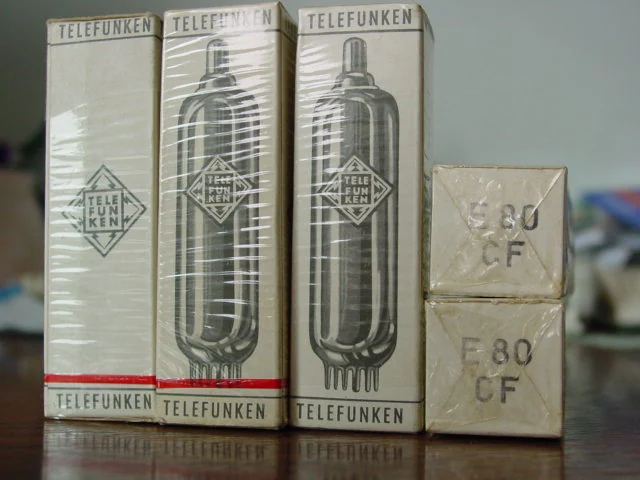
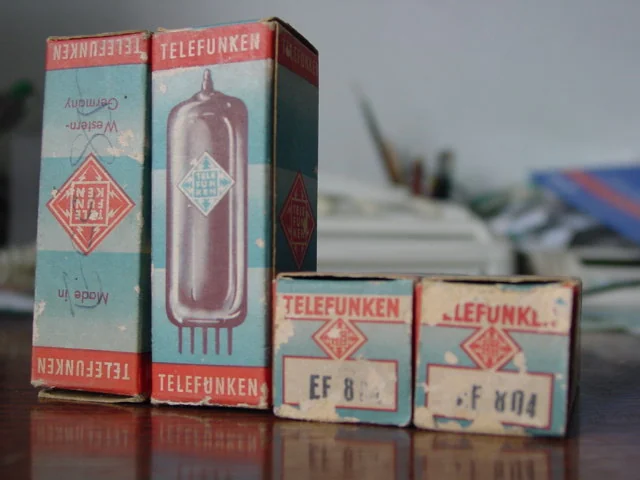
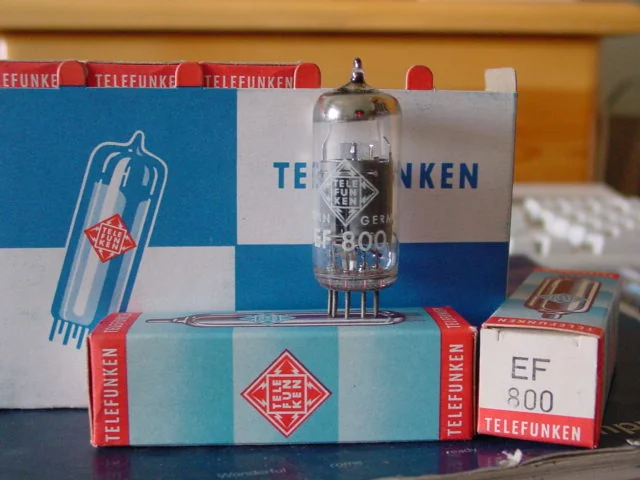
New old stock is finite. What to ask about condition and markings, and when an original type is worth it against current production.
What New Old Stock Means
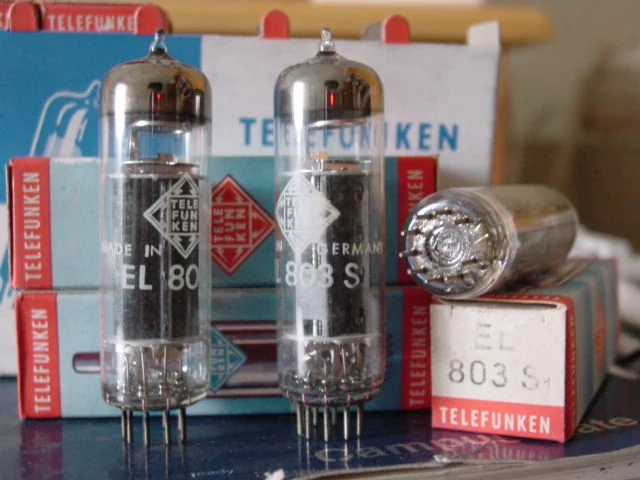
New old stock is unused product from a production run that ended, sometimes decades ago. It is not refurbished and it is not tested to a modern release standard. The supply only shrinks, which is why availability of a given type can change between one enquiry and the next.
When an Original Type Is Worth It
Restoration work is the clearest case. If the intention is to return an amplifier or an instrument to its original specification, the original type is the point of the exercise. For a new build, current production types make more sense because the design can be reordered.
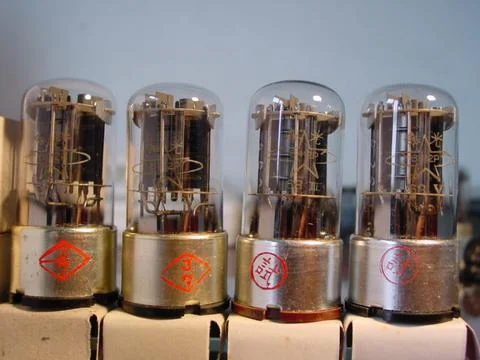
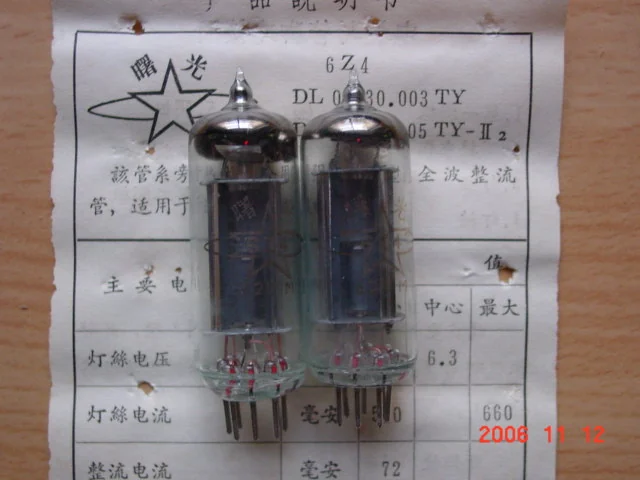
Ask what the markings are, whether the original packaging is present, and what condition the pins and the envelope are in. A seller who answers those questions plainly is telling you something about how the stock has been handled.
Storage Matters More Than Age
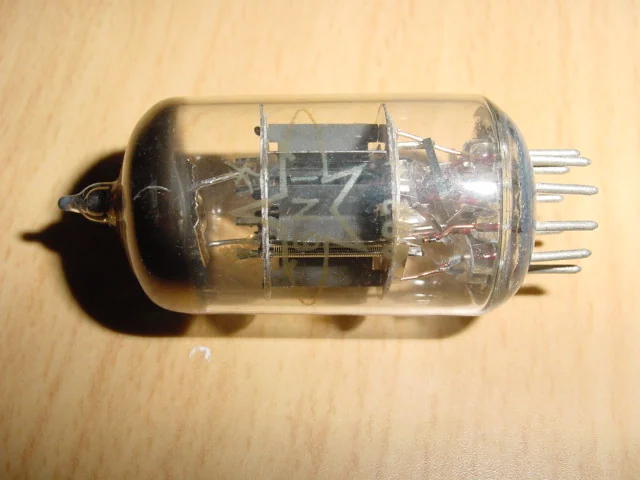
A tube stored dry and upright in its carton behaves better than one that has spent years loose in a damp box, regardless of which was made first. Pins that show corrosion and getter flashing that has gone white or milky are the visible warnings.
Buying for a Restoration Programme
If you restore equipment regularly, buy the types you know you will need while they exist rather than per job. That is also the honest answer to why holdings of individual NOS types are listed separately here: each one is a limited quantity, not a catalogue line that can be reordered.
Fitting an NOS Tube
Clean the pins, check the socket contact pressure, and bring the equipment up carefully rather than switching a restored unit straight to full voltage with a rare tube in it.
 Request A Quotation