How Brushless Motors Are Classified
Three classifications cover most of what you will see in a specification sheet.
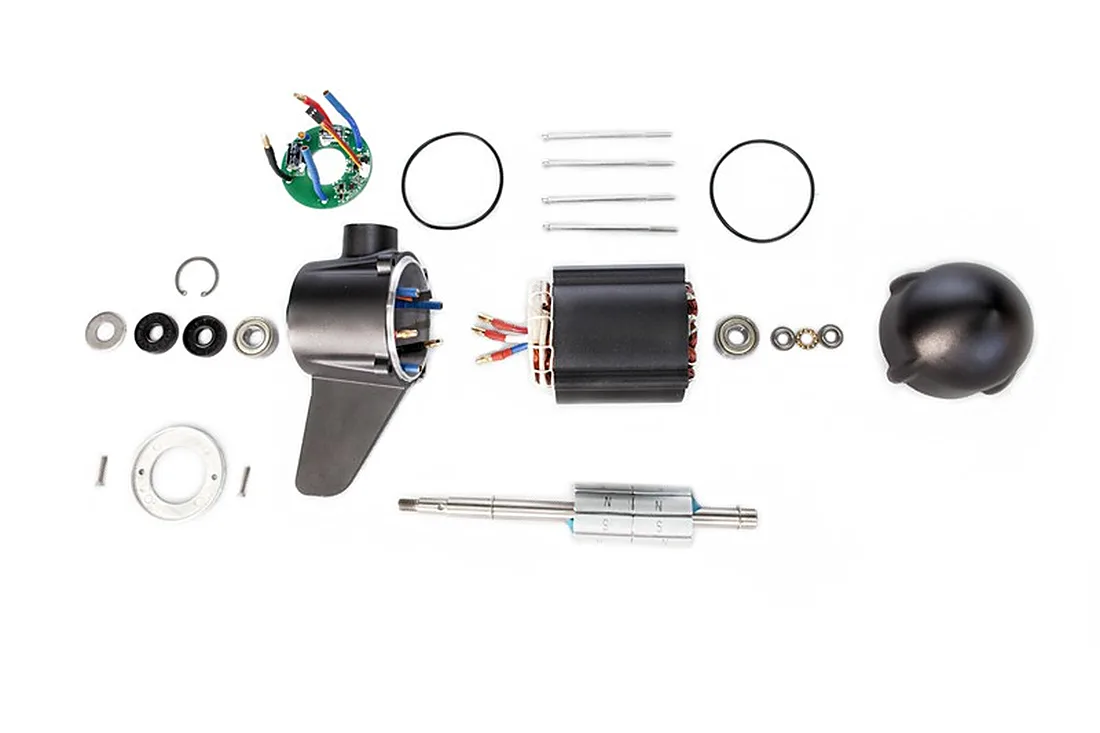
By phase angle
Brushless motors divide into 60° and 120° phase angle types.
By speed
They divide into high-speed and low-speed brushless motors. A boat drive sits firmly at the low-speed end — the Caroute range tops out at 1,800 rpm at the propeller.
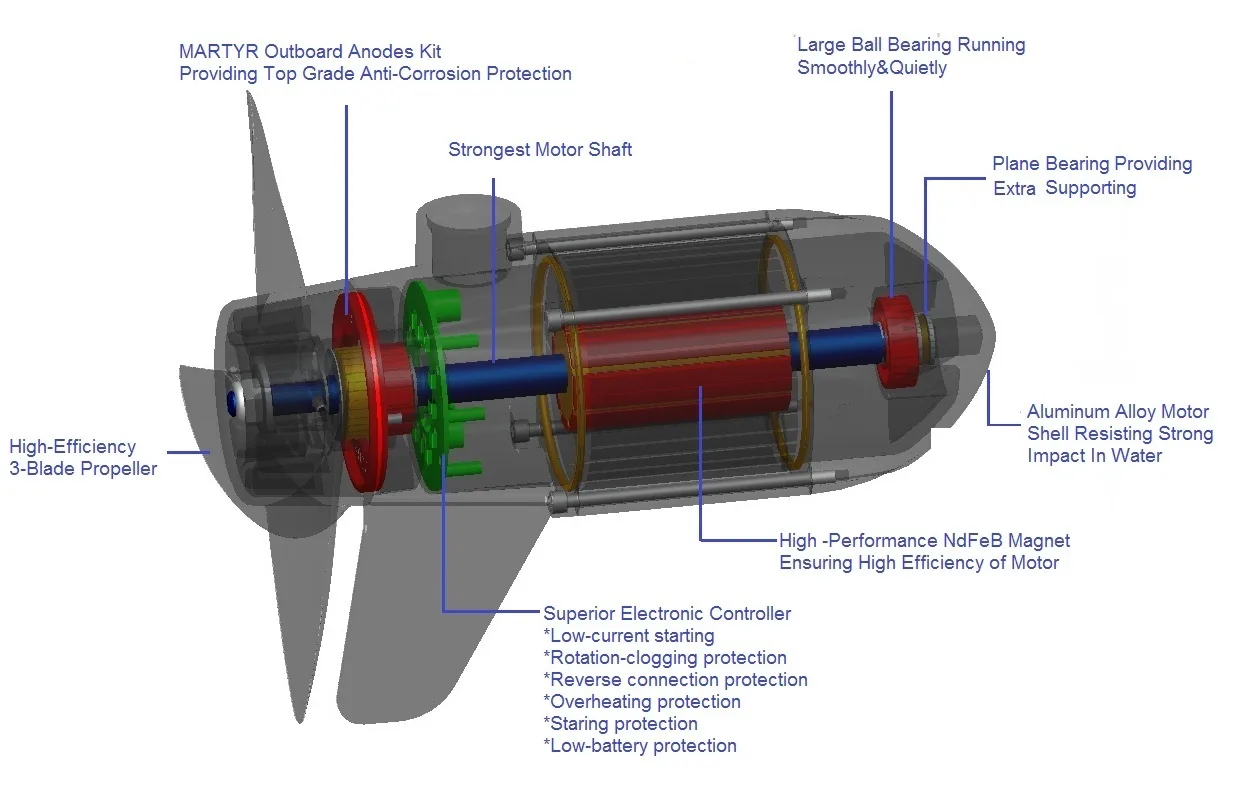
By position sensing
They divide into sensored and sensorless brushless motors, according to whether a motor position sensor is fitted.
What It Means for Your Boat
When you compare two drives on paper, check which of these three you are actually comparing. A 60° sensored low-speed motor and a 120° sensorless high-speed motor are not the same machine with different numbers.
Motors These Figures Describe
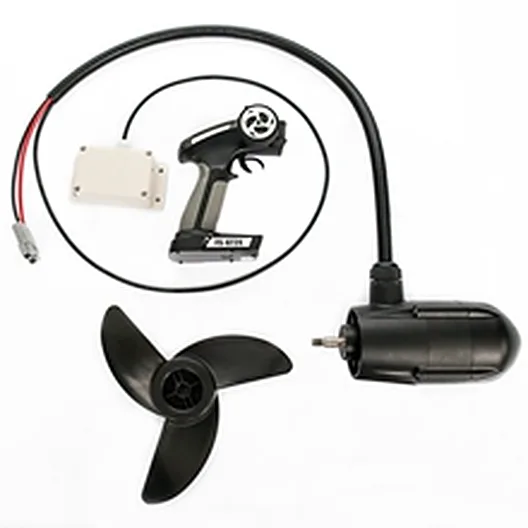
R Platform Brushless Electric Boat Motor
Three models built for signal control rather than a mechanical throttle — PWM in, thrust out, with…
View details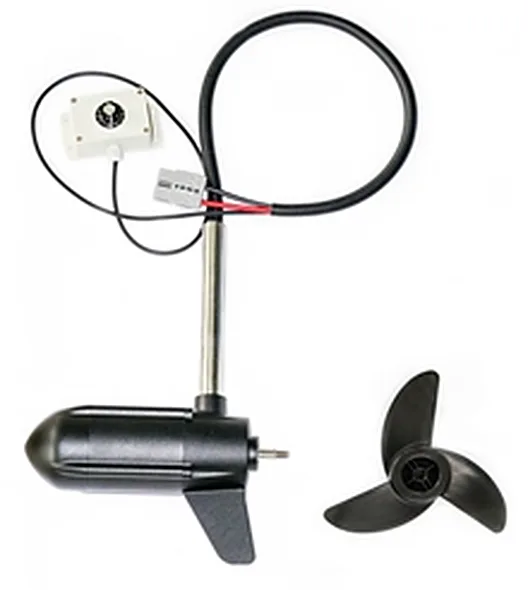
S Platform Brushless Electric Boat Motor for DIY
The drive on its own: five thrust ratings, four shaft lengths and no fixed mounting, so the…
View detailsRelated Articles
Why a Brushless DC Motor Is More Efficient Than a Brushed One
Eight published advantages of the permanent magnet brushless DC motor, from a 5-12% efficiency gain…
Read articleThree Things a Brushless Motor Does Better
Less radio interference, lower noise and smoother running, and near maintenance-free operation,…
Read articleQuestions About This Topic
What are the three classifications?
Where does a boat drive sit?
Does Caroute publish the phase angle?
Is the Caroute motor sensored or sensorless?
Ask about the numbers in this article
If a figure here matters for a decision you are making, send the boat details and Jane will tell you how it applies.