
Mesh or Leather: Choosing the Office Chair Your Market Will Actually Buy
The two materials fail in different ways and sell to different rooms. Pick on climate, use hours and how the chair is sold, not on price alone.
Climate decides more than fashion
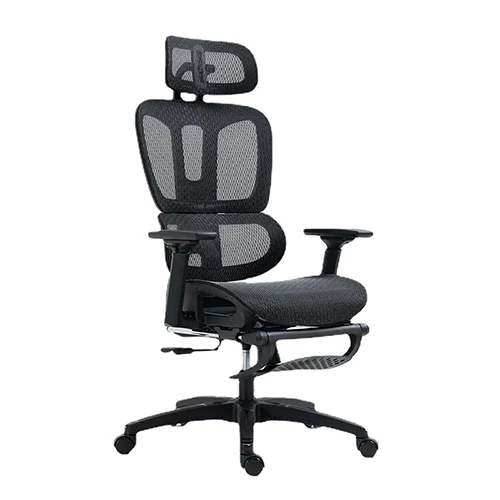
In a hot or humid market, an upholstered back traps heat against the sitter within an hour. Mesh moves air through the backrest and the chair stays usable through a full shift in a room that is not aggressively cooled. In cooler markets, or in offices that are heavily air conditioned, that advantage disappears and the softer feel of upholstery wins.
How long the sitter is in the chair
For someone who sits down for twenty minutes at a time - a reception desk, a meeting room, a clinic consulting room - upholstery is fine and often looks better. For eight to ten hour desks, the argument shifts to mesh with a proper lumbar support, because heat and pressure build up over hours rather than minutes.
How the chair is sold
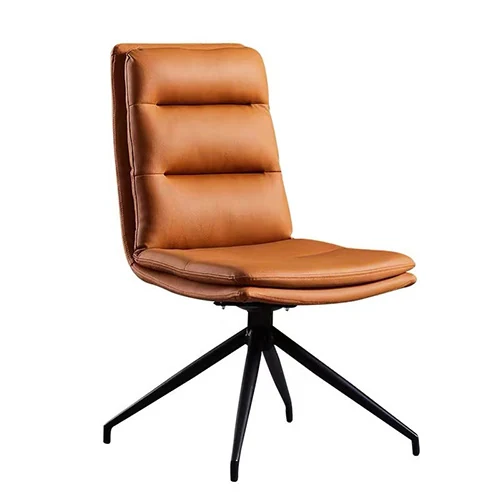
Leather photographs richer and reads as more expensive in a catalogue or a showroom, which matters when the chair is bought on appearance. Mesh photographs technical, which suits ergonomic positioning and online listings that sell on adjustment features rather than looks.
Where each one fails
Cheap mesh fails at the frame and at the mesh tension: the back goes slack and the chair feels flimsy. Cheap PU fails at the surface, cracking and peeling at the front edge of the seat and on the arm tops where skin contact is constant. When you compare two quotations, those are the two places to press on.
Other Guides
- How to Specify a Task Chair So Two Quotations Can Be Compared
- Beam and Link Seating: What to Check Before You Order a Waiting Hall
- MOQ, Samples and Lead Time: How a Chair Order Actually Runs
- Packing and Container Loading for Chair Imports
- Sourcing Gaming Chairs for Retail and Marketplace Listings
- Why Chairs Come From Shengfang: Sourcing From a Manufacturing Cluster
Put This Into a Quotation
Send the specification you have arrived at and we will quote it, with carton data so you can compare landed cost rather than unit price.