
Forged near-net shapes, then machined to print
Forging forms metal through dies under local compression — hammer or press — then AS Precision machines the features the die cannot hold. The shop names its own tooling team and thread rolling.
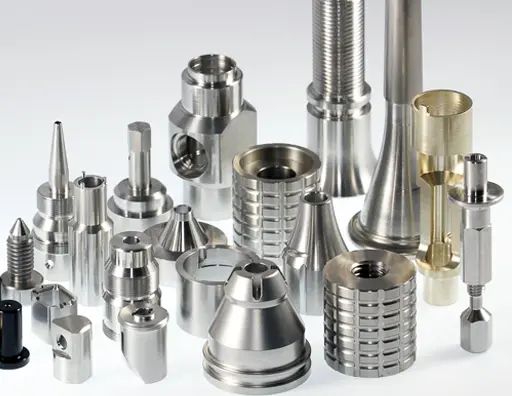
Applications listed on the forging page include automotive knuckles and beams, marine shafts, power rotors, rolls, and pressure vessels. Brass forging photos on the live site show the decorative and hardware end of the same cell.
The page also states ISO 9001 and 50+ staff on three shifts. Use forging when grain flow or near-net volume matters more than starting from bar.
Questions buyers actually send
Why forge then machine?
The die puts material where strength is needed; CNC adds holes, threads, grooves, and the finish the print calls.
Can you forge titanium?
Titanium is named on the forging materials list alongside steel and aluminum.