
Rubber & Plastic Products
Rubber Moulds
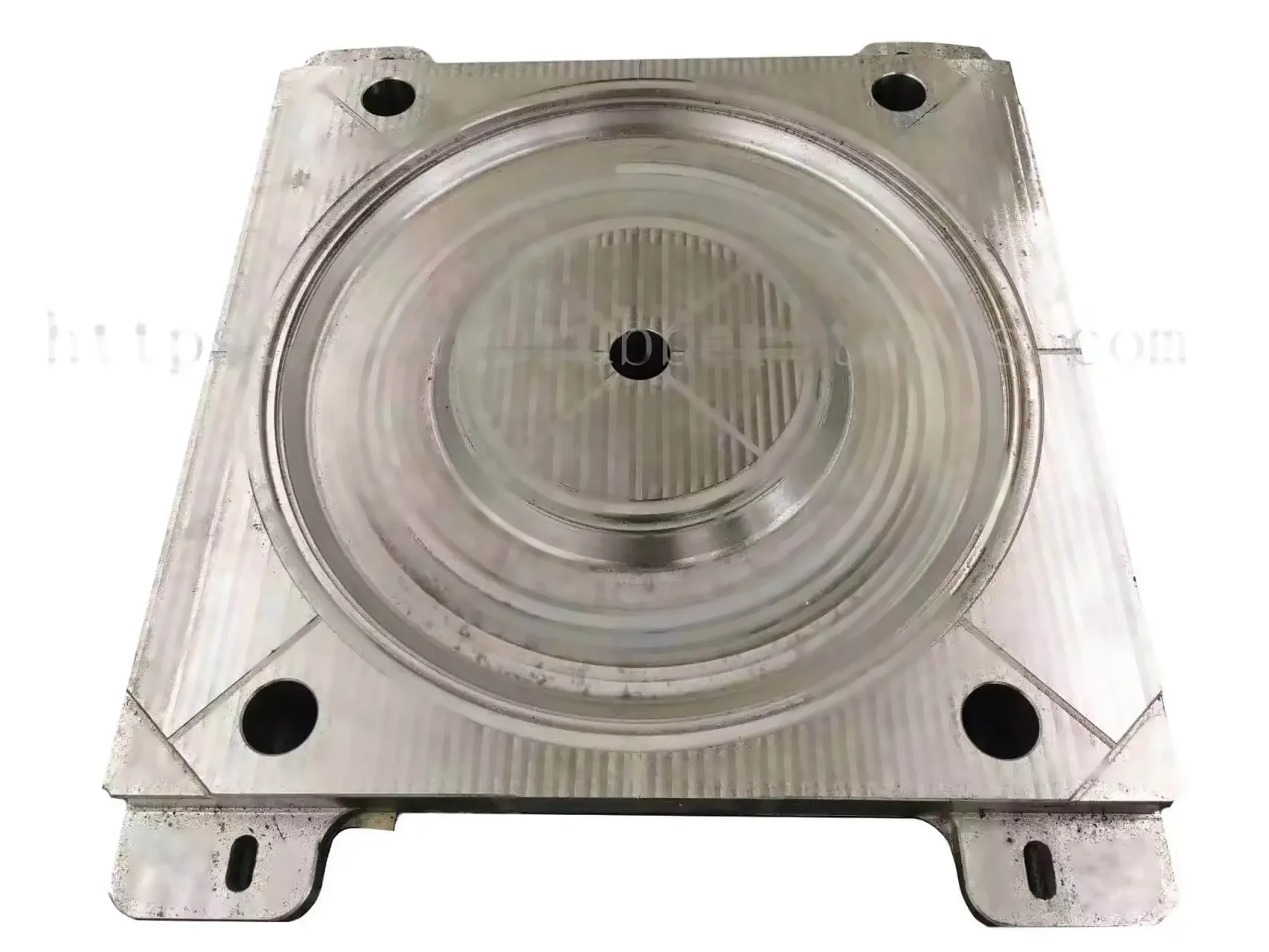
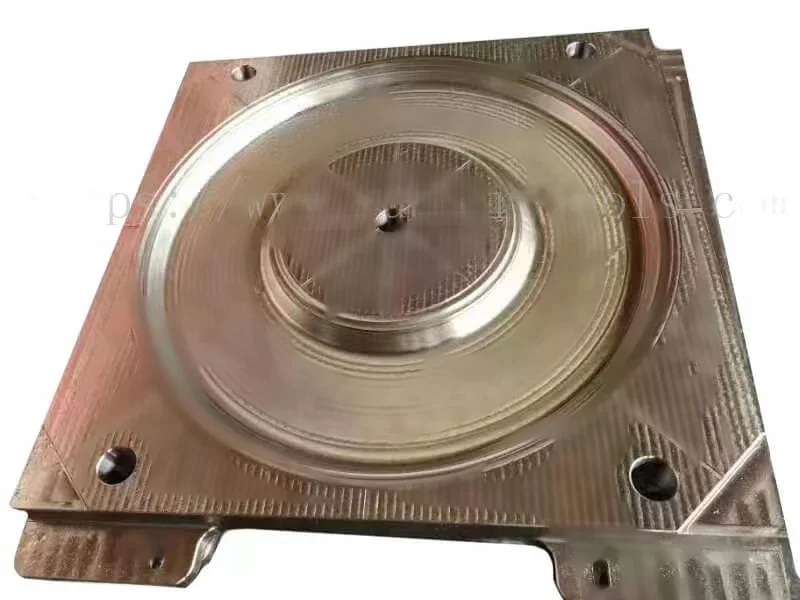
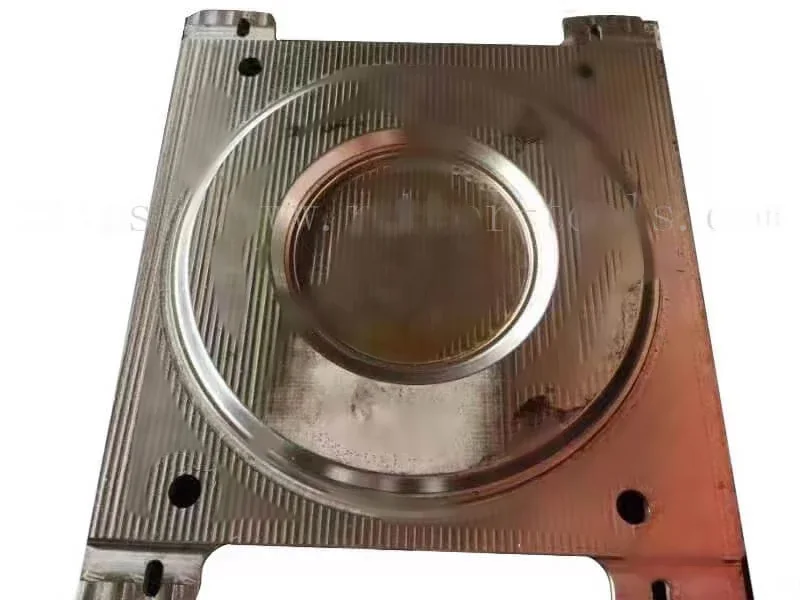
Rubber moulds designed and manufactured in our own mould workshop, with an experienced structural design engineer able to design and develop the mould independently. Compression moulds suit large parts with simpler designs, while transfer moulds handle intricate designs and over-moulding.
- Tool steel
Product Overview
Rubber moulds designed and manufactured in our own mould workshop, with an experienced structural design engineer able to design and develop the mould independently. Compression moulds suit large parts with simpler designs, while transfer moulds handle intricate designs and over-moulding. The moulds are built to capture fine detail, to withstand repeated production cycles, and to suit small and large scale production alike.
Key Benefits
- Mould designed and developed in house rather than sent out
- Compression and transfer mould types for different part geometries
- Captures intricate detail accurately
- Built to withstand repeated production use
- Suitable for both small and large scale production
Problems It Solves
- Tooling made by one supplier and parts by another, with blame shared between them
- Moulds that lose detail after a few thousand cycles
- Over-moulded parts that a compression mould cannot produce
- Tooling cost that cannot be justified at low production volume
Where It Is Used
Applications And Buyers
Application Scenarios
- Producing seals, gaskets and other components for automotive use
- Flexible instruments and equipment parts for medical applications
- Household items, toys and other consumer goods
- Seals, gaskets and insulation components for construction
Who It Is For
- Manufacturers bringing a moulded rubber part into production
- Automotive and medical component suppliers
- Consumer goods producers
- Buyers who need tooling and parts from one supplier
Technical Features And Specifications
Technical Features
- Compression moulds for large parts with simpler designs
- Transfer moulds for intricate designs and over-moulding
- In house mould design and manufacture
- Precision detail capture
- Durable construction for repeated use
| Mould Types | Compression, transfer |
|---|---|
| Compression Mould Use | Large parts with simpler designs |
| Transfer Mould Use | Intricate designs and over-moulding |
| Design | In house structural design engineer |
| Applications | Automotive, medical, consumer goods, construction |
| Production Scale | Small and large scale |
How It Is Made And Checked
Materials Process And Quality Control
Materials
- Tool steel
Manufacturing Process
- Mould design
- CNC machining
- EDM
- Polishing
- Trial moulding
Quality Control
- Specification agreed in writing before production starts
- First article or sample approved against the agreed specification
- Goods inspected and photographed at the factory before loading
- Inspection report sent to you before the container sails
Customisation Options
What Can Be Varied
- Compression or transfer mould type by part geometry
- Number of cavities for the production volume
- Mould material and surface finish
- Over-moulding arrangement for inserts
- Mould made for your own moulding shop or run by us
Compared With The Alternatives
| Compression versus transfer moulding | Compression moulds are simpler and cheaper for large parts with straightforward shapes; transfer moulds handle intricate detail and over-moulding onto inserts. |
|---|---|
| Buying tooling separately | When the same workshop designs the mould and moulds the part, geometry problems get resolved rather than passed between suppliers. |
Use Guide
- Decide the mould type from the part's complexity and whether inserts are involved
- Set cavity count from the annual quantity, not just the first order
- Agree the mould design and parting line before machining starts
- Approve a first article from the mould before releasing production
Questions
Questions Buyers Ask About This Product
Do you design the mould yourselves?
Yes. We have our own mould manufacturing workshop and an experienced structural design engineer who designs and develops rubber moulds independently.
Which mould type suits my part?
Compression for large parts with simpler designs, transfer for intricate designs and over-moulding. Send the part drawing and we will advise.
Can the mould handle small production runs?
Yes, the moulds are suitable for both small and large scale production.
What industries do you tool for?
Automotive seals and gaskets, medical instruments and equipment parts, consumer goods and construction seals and insulation.
Can we take the mould and run it ourselves?
Discuss it at enquiry. We can quote the tooling alone or the tooling plus production.
Related Products
Others In Rubber & Plastic Products
 Rubber & Plastic Products
Silicone Hot Water Bag
A 300 ml silicone hot water bag measuring 13.8 x 10 x 3.5 cm, made from silica gel with ABS and PA components and…
View Product Rubber & Plastic Products
SBR Rubber Products
Rubber products moulded in SBR, a synthetic rubber with good abrasion resistance, a low water absorption rate and non…
View Product Rubber & Plastic Products
Industrial Rubber Rollers
Rubber covered rollers for industrial machinery, including printing rollers, paper rollers, paper feed rollers and…
View Product Rubber & Plastic Products
Custom Plastic Parts
Custom plastic parts produced by injection moulding, extrusion and assembly, made to each customer's specification…
View Product Rubber & Plastic Products
O-Ring Moulds
O-ring moulds designed and manufactured in our own mould workshop, which also makes a variety of other moulds and…
View Product Rubber & Plastic Products
Plastic Parts
Plastic parts produced by injection moulding, where molten plastic is injected into a mould, and by blow moulding,…
View ProductFurther Reading
Guides And Industries That Cover This
Get A Price For Rubber Moulds
Send the duty figures, the material if it is fixed, and the quantity. We will confirm the specification and quote against it.