
Rubber & Plastic Products
Industrial Rubber Rollers
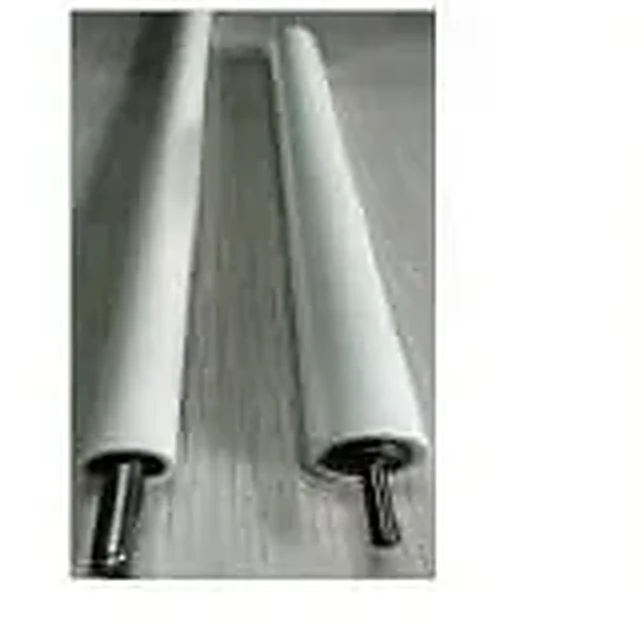
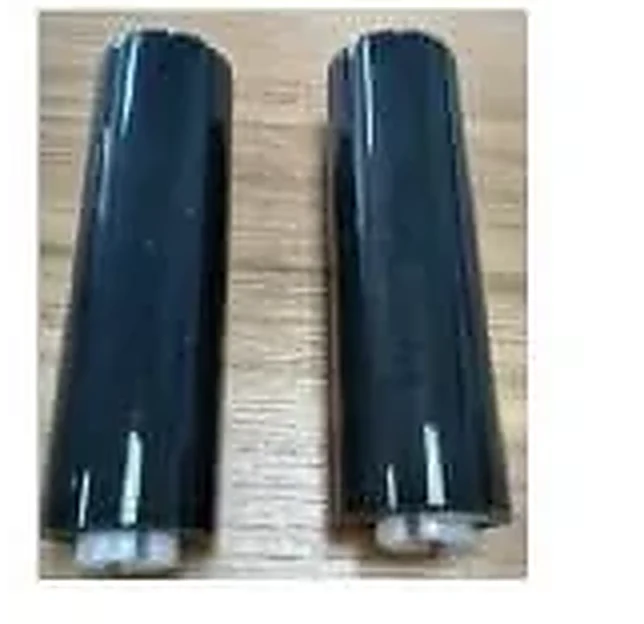
Rubber covered rollers for industrial machinery, including printing rollers, paper rollers, paper feed rollers and twist rollers. Covering materials are EPDM, silicone rubber, PU rubber and SBR, chosen for the surface the roller has to grip or coat and the conditions it works in.
- EPDM
- Silicone rubber
- PU rubber
Product Overview
Rubber covered rollers for industrial machinery, including printing rollers, paper rollers, paper feed rollers and twist rollers. Covering materials are EPDM, silicone rubber, PU rubber and SBR, chosen for the surface the roller has to grip or coat and the conditions it works in. Conveyor rollers move products and raw materials, and coating rollers apply coatings or laminates to surfaces.
Key Benefits
- Four covering materials so the roller surface suits the job rather than the other way round
- Printing, paper feed, twist, conveyor and coating roller types
- Covers tailored to specific industry requirements
- Designed for low maintenance to limit downtime
- Recovering of existing roller cores possible
Problems It Solves
- Roller covers that glaze or wear and lose grip
- Covering material unsuitable for the inks, solvents or temperatures used
- Machine downtime from frequent roller changes
- Rollers no longer available from the original machine supplier
Where It Is Used
Applications And Buyers
Application Scenarios
- Moving products or raw materials on conveyor systems
- Applying coatings or laminates to surfaces
- Feeding paper through printing and converting machinery
- Twist and nip roller duty in processing equipment
Who It Is For
- Printing and converting companies
- Paper and packaging producers
- Machine builders specifying rollers
- Maintenance teams recovering worn rollers
Technical Features And Specifications
Technical Features
- Covering in EPDM, silicone rubber, PU rubber or SBR
- Printing roller, paper roller, paper feed roller and twist roller types
- Conveyor and coating roller applications
- Customisable to specific industry needs
- Low maintenance construction
| Covering Materials | EPDM, silicone rubber, PU rubber, SBR |
|---|---|
| Roller Types | Printing, paper, paper feed, twist, conveyor, coating |
| Customisation | Tailored to industry requirements |
| Installation | Fitted into the machinery or equipment |
| Supply Basis | New rollers and recovering to drawing |
How It Is Made And Checked
Materials Process And Quality Control
Materials
- EPDM
- Silicone rubber
- PU rubber
- SBR
Manufacturing Process
- Core preparation
- Rubber covering
- Vulcanising
- Grinding
- Balancing
Quality Control
- Specification agreed in writing before production starts
- First article or sample approved against the agreed specification
- Goods inspected and photographed at the factory before loading
- Inspection report sent to you before the container sails
Customisation Options
What Can Be Varied
- Covering material for the media and temperature
- Hardness for grip and nip pressure
- Diameter, face length and crown to drawing
- Surface finish and any grooving
- New roller or recovering of your existing core
Compared With The Alternatives
| Silicone versus PU covering | Silicone handles higher temperatures and releases well; polyurethane is far more abrasion resistant and holds nip pressure better in mechanical duty. |
|---|---|
| Replacing the whole roller | Recovering an existing core is usually cheaper and quicker than a new roller, provided the core and journals are still sound. |
Use Guide
- Send the old roller or its drawing including journal dimensions
- State the media, temperature and line speed so the compound can be chosen
- Specify hardness where nip pressure matters
- Have rollers ground and balanced before fitting at speed
Questions
Questions Buyers Ask About This Product
Which covering materials do you offer?
EPDM, silicone rubber, PU rubber and SBR.
What roller types can you supply?
Printing rollers, paper rollers, paper feed rollers and twist rollers, as well as conveyor and coating rollers.
Can you recover our existing cores?
Send the core dimensions and condition and we will confirm. Recovering is usually cheaper than a new roller.
How do I choose the hardness?
From the nip pressure and the surface being handled. Tell us both and we will recommend.
Are the rollers ground to finish?
Rollers are finished to the drawing. Specify the surface finish and any crown with the enquiry.
Related Products
Others In Rubber & Plastic Products
 Rubber & Plastic Products
Silicone Hot Water Bag
A 300 ml silicone hot water bag measuring 13.8 x 10 x 3.5 cm, made from silica gel with ABS and PA components and…
View Product Rubber & Plastic Products
SBR Rubber Products
Rubber products moulded in SBR, a synthetic rubber with good abrasion resistance, a low water absorption rate and non…
View Product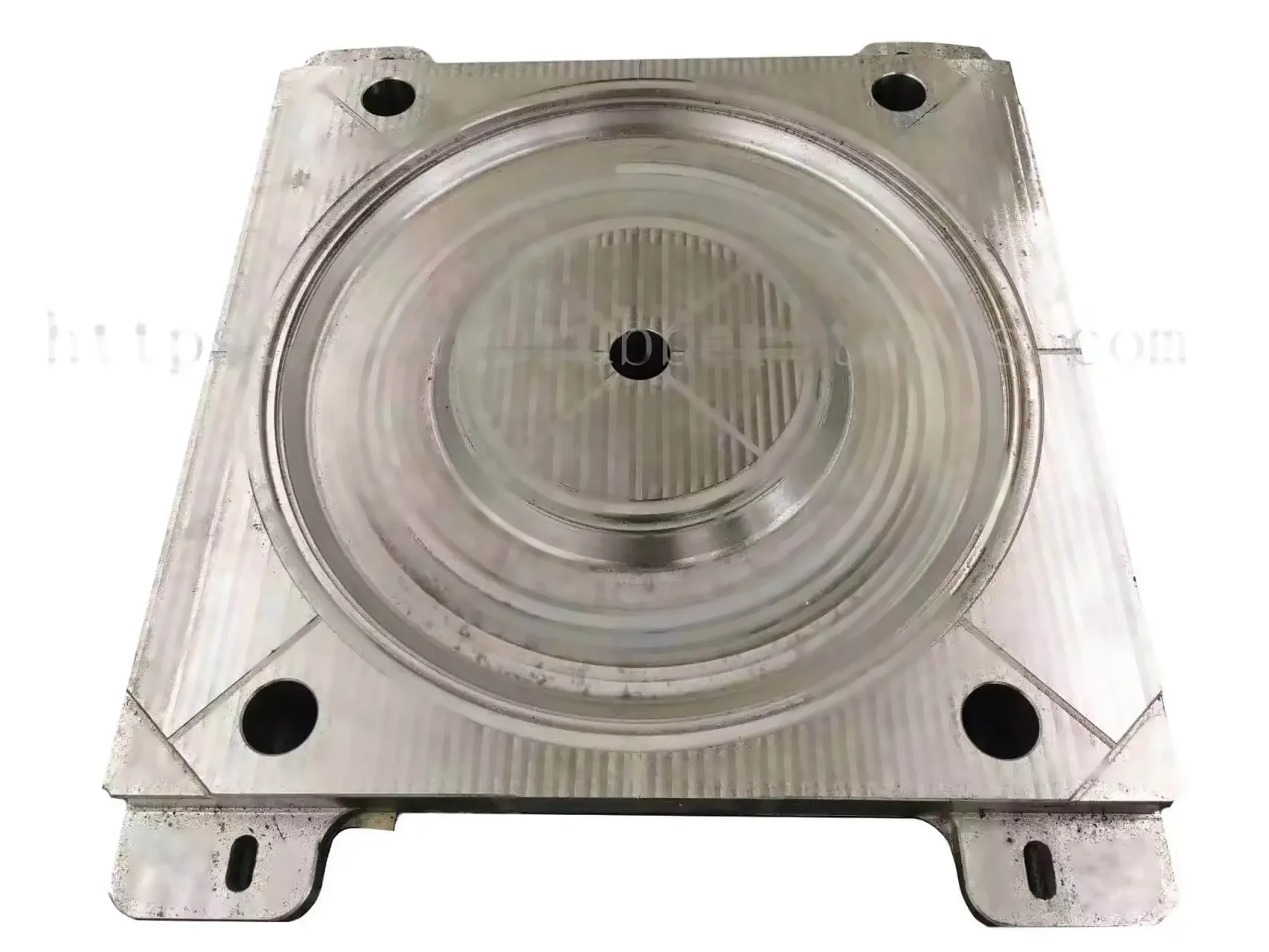 Rubber & Plastic Products
Rubber Moulds
Rubber moulds designed and manufactured in our own mould workshop, with an experienced structural design engineer…
View Product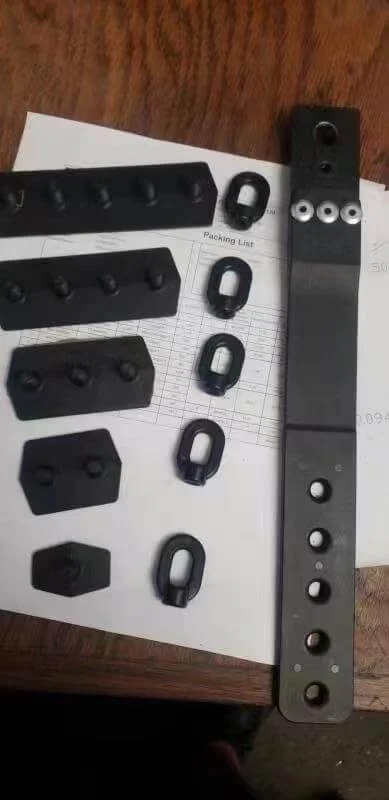 Rubber & Plastic Products
Custom Plastic Parts
Custom plastic parts produced by injection moulding, extrusion and assembly, made to each customer's specification…
View Product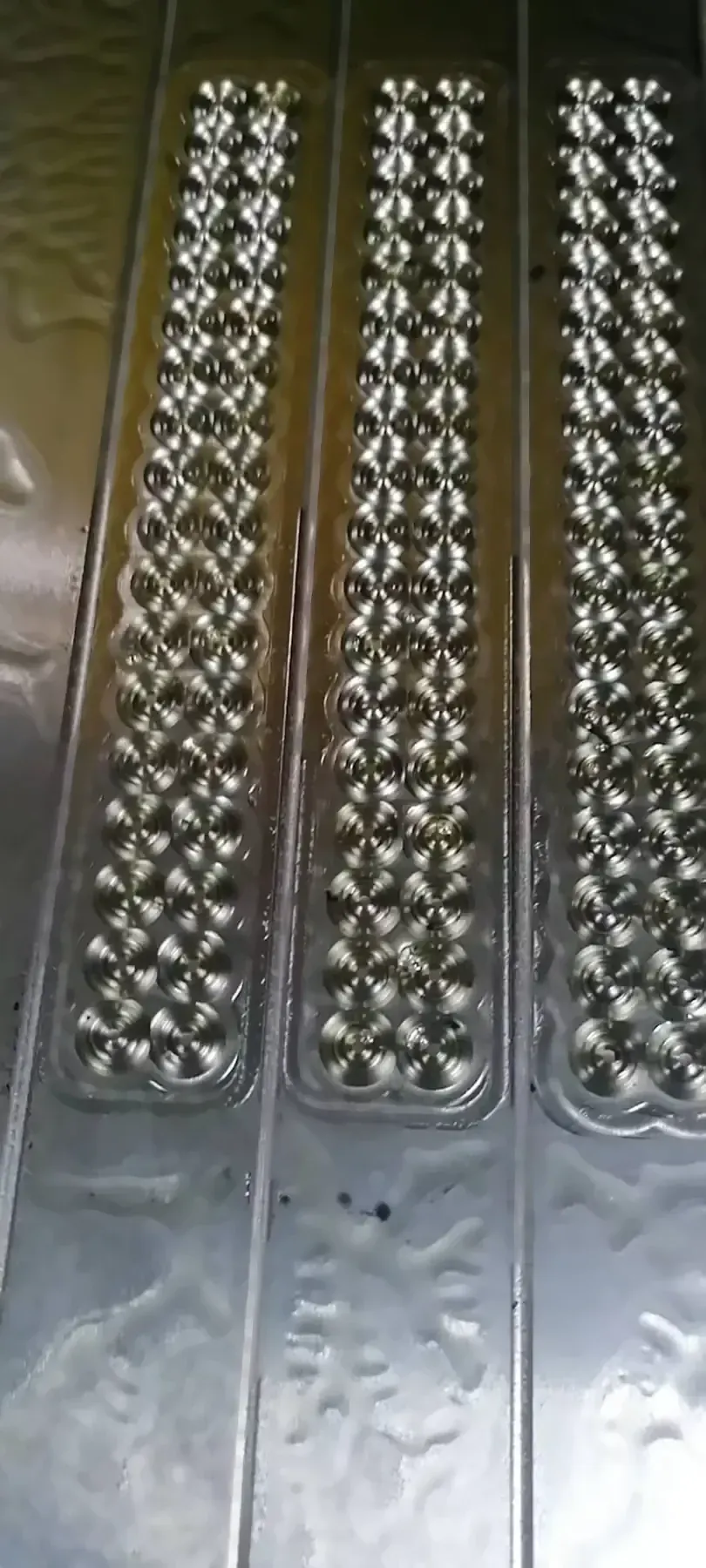 Rubber & Plastic Products
O-Ring Moulds
O-ring moulds designed and manufactured in our own mould workshop, which also makes a variety of other moulds and…
View Product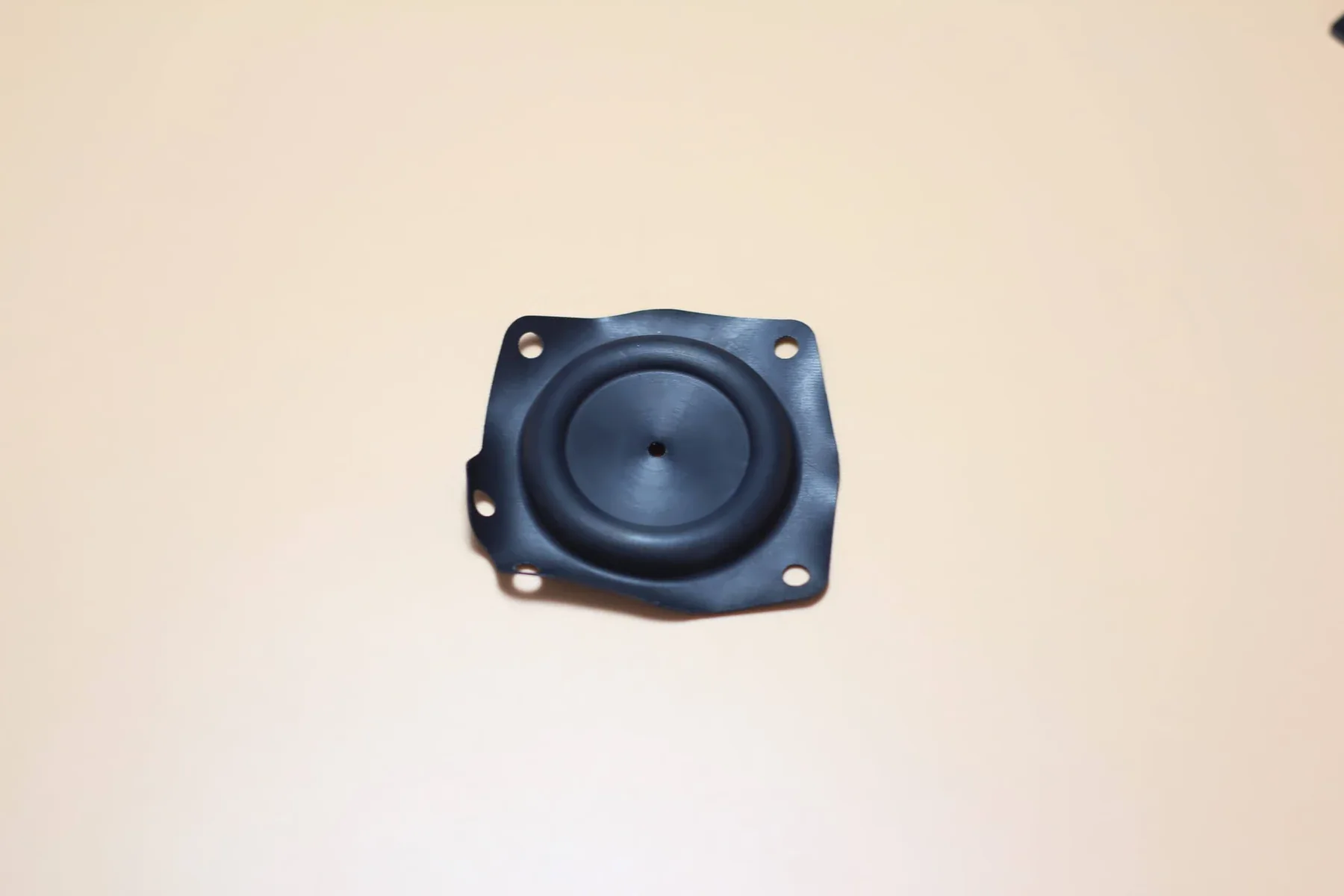 Rubber & Plastic Products
Plastic Parts
Plastic parts produced by injection moulding, where molten plastic is injected into a mould, and by blow moulding,…
View ProductFurther Reading
Guides And Industries That Cover This
Get A Price For Industrial Rubber Rollers
Send the duty figures, the material if it is fixed, and the quantity. We will confirm the specification and quote against it.