
Metal Stamping Parts
Deep Drawn Components
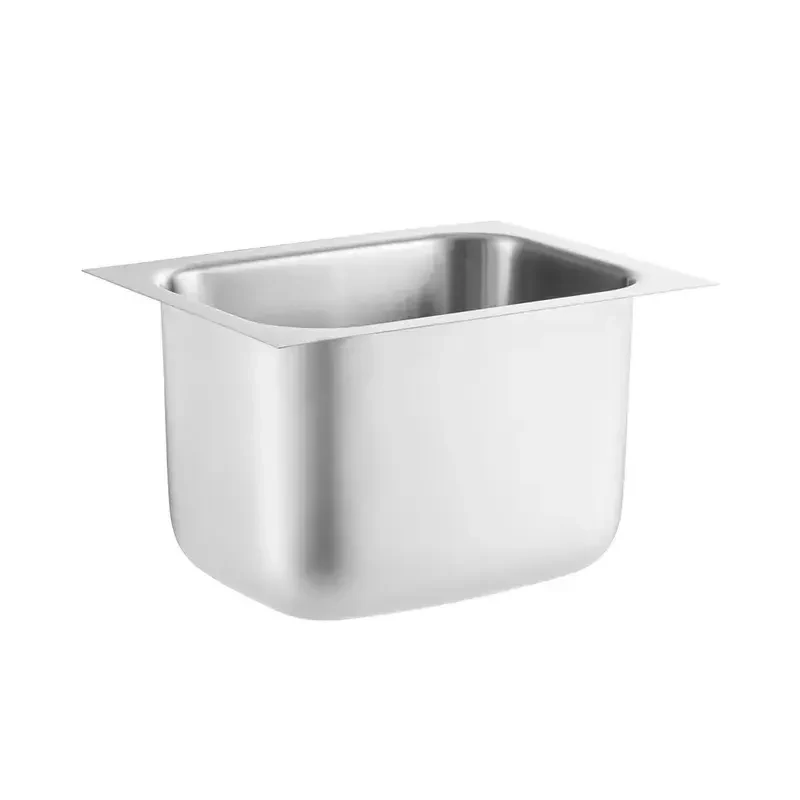
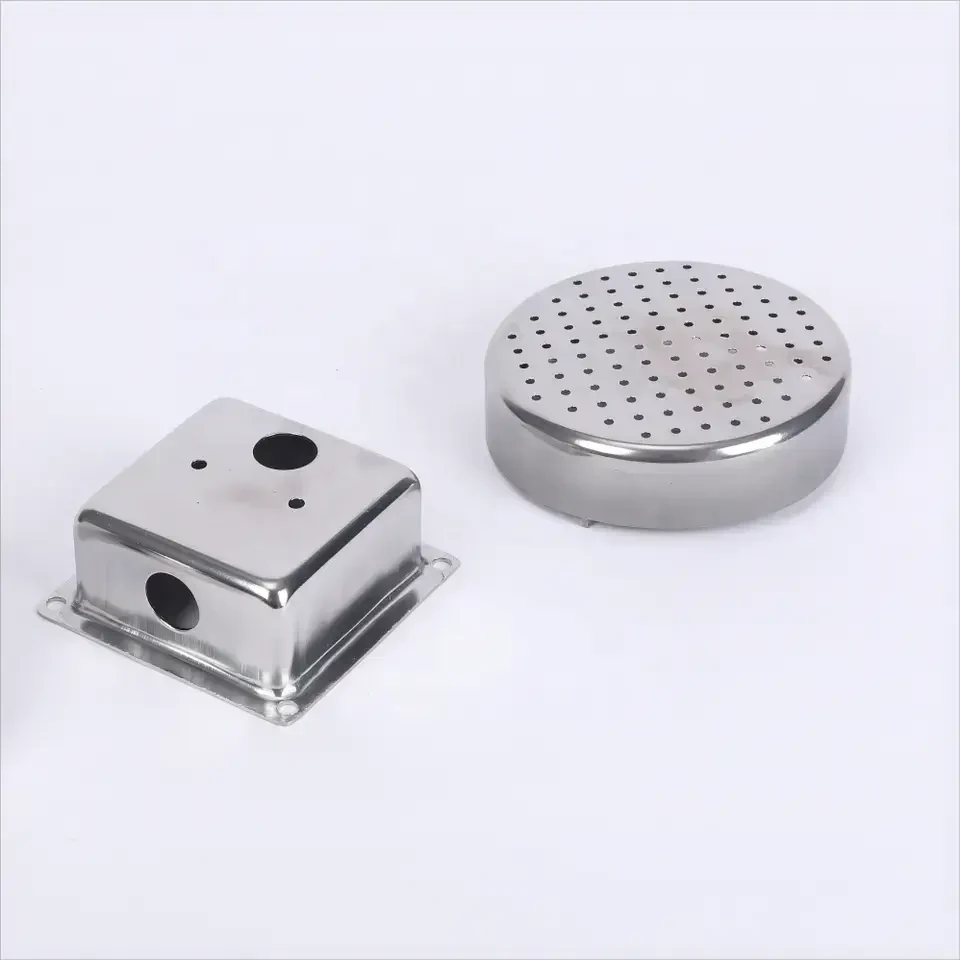
Deep drawn parts formed by radially drawing a sheet metal blank into a forming die, turning flat material into a cavity, cylinder or cup. The process produces intricate and precise components with high repeatability, and is used for parts that would otherwise need welding or machining from solid.
- Aluminium
- Stainless steel
- Brass
Product Overview
Deep drawn parts formed by radially drawing a sheet metal blank into a forming die, turning flat material into a cavity, cylinder or cup. The process produces intricate and precise components with high repeatability, and is used for parts that would otherwise need welding or machining from solid. Material selection is central, since the blank has to stretch without tearing.
Key Benefits
- Produces a seamless cavity or cylinder without a welded joint
- High repeatability across large production quantities
- Thinner walls and lighter parts than machining from solid
- Suitable for aluminium, stainless steel, brass and titanium
- Secondary operations such as welding and assembly available on the same order
Problems It Solves
- Welded assemblies that leak or fail at the seam
- Machined parts that waste material and take too long in volume
- Wall thickness that cannot be achieved by casting
- Parts that must be identical across very large quantities
Where It Is Used
Applications And Buyers
Application Scenarios
- Automotive fuel tanks, body parts and other components
- Household products such as cooking pots, sinks and bathtubs
- Packaging such as soda and beer cans
- Construction fittings including faucets and fixtures
Who It Is For
- Automotive component suppliers
- Housewares and appliance manufacturers
- Packaging producers
- Sanitary and construction fittings manufacturers
Technical Features And Specifications
Technical Features
- Radial drawing of a blank into a forming die
- Formation of cavities, cylinders and cups
- High repeatability in production
- Material limits considered at design stage
- Secondary welding and assembly where required
| Process | Deep drawing |
|---|---|
| Materials | Aluminium, stainless steel, brass, titanium |
| Typical Forms | Cavity, cylinder, cup |
| Typical Markets | Automotive, household, packaging, construction |
| Related Processes | Stamping, welding, assembly |
How It Is Made And Checked
Materials Process And Quality Control
Materials
- Aluminium
- Stainless steel
- Brass
- Titanium
Manufacturing Process
- Deep drawing
- Stamping
- Welding
- Assembly
Quality Control
- Specification agreed in writing before production starts
- First article or sample approved against the agreed specification
- Goods inspected and photographed at the factory before loading
- Inspection report sent to you before the container sails
Customisation Options
What Can Be Varied
- Part geometry developed with draw ratio limits in mind
- Material and temper selected for formability
- Number of draw stages set by the depth required
- Trimming, piercing and secondary operations
- Surface finish and coating
Compared With The Alternatives
| Welded fabrication | A deep drawn part has no seam to leak or crack, which matters most in pressure and fluid applications. |
|---|---|
| Machining from solid | Machining suits low volumes and thick walls; deep drawing is far cheaper per part in volume and produces thinner, lighter components. |
Use Guide
- Discuss corner radii and draw depth early, since both decide whether the part can be formed at all
- Allow for material thinning at the corners when specifying wall thickness
- Confirm material temper, not only the alloy
- Plan trimming allowance into the blank size
Questions
Questions Buyers Ask About This Product
What shapes can be deep drawn?
Cavities, cylinders and cups formed from a flat blank, with intricate detail possible within the limits of the material.
Which materials can you draw?
Aluminium, stainless steel, brass and titanium among others.
How deep can a part be drawn?
It depends on material, thickness and diameter. Deep parts are produced in several draw stages, and we will tell you at quotation how many the geometry needs.
Is deep drawing suitable for small quantities?
It is a tooled process, so it suits volume production. For small quantities we will usually suggest another route.
Can drawn parts be welded and assembled?
Yes, welding and assembly are available as secondary operations.
Related Products
Others In Metal Stamping Parts
 Metal Stamping Parts
CNC Punching Parts
Custom CNC punched parts produced from a design, punched on CNC equipment and quality checked before dispatch. The…
View Product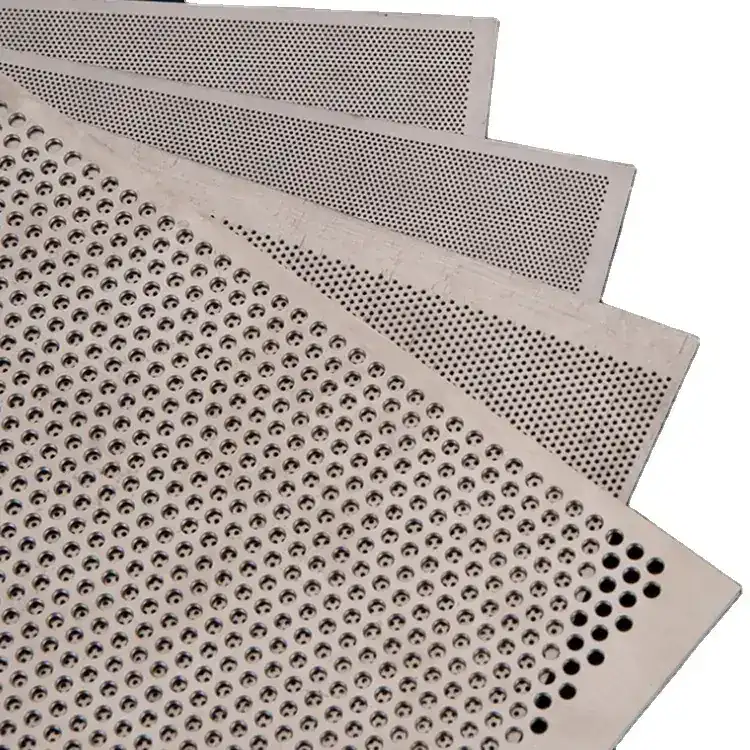 Metal Stamping Parts
Decorative Perforated Metal Sheet
Perforated metal sheet is flat sheet stamped with a repeating pattern of holes, used where a surface has to pass air,…
View Product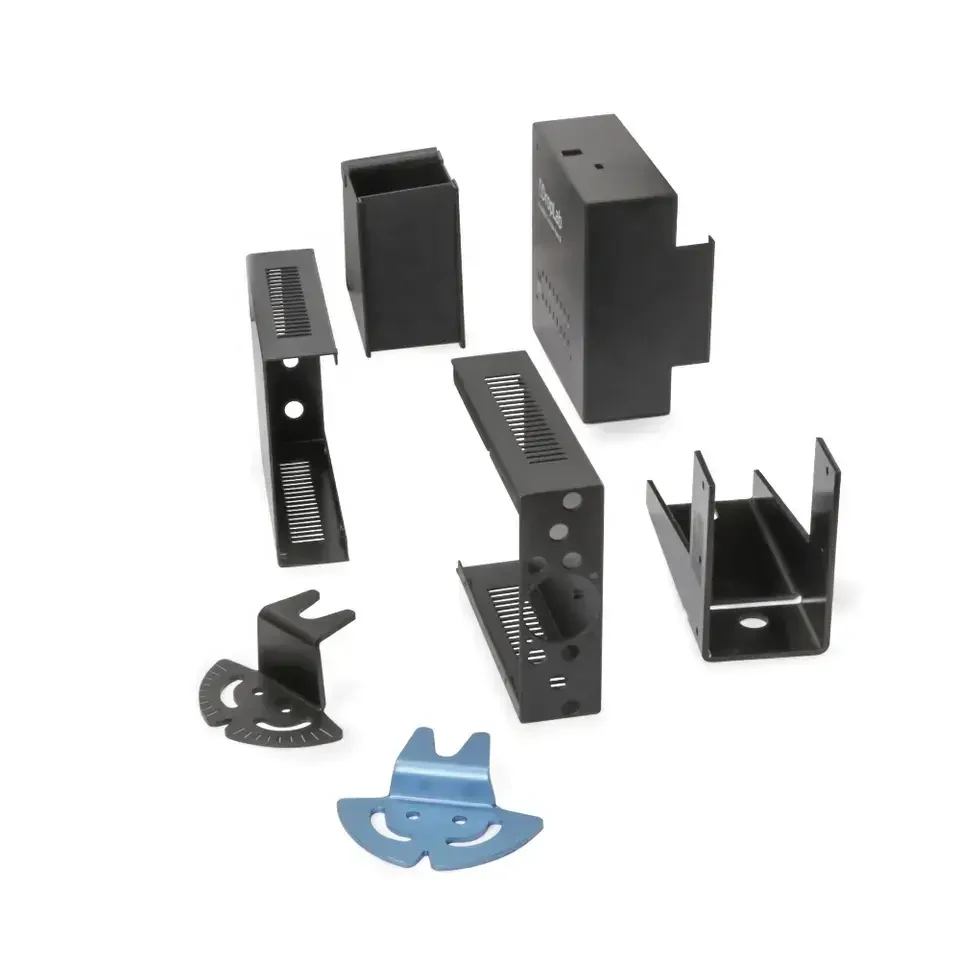 Metal Stamping Parts
CNC Bending Parts
CNC bending forms metal on computer controlled machines, giving accuracy and repeatability that hand setting cannot…
View ProductFurther Reading
Guides And Industries That Cover This
Get A Price For Deep Drawn Components
Send the duty figures, the material if it is fixed, and the quantity. We will confirm the specification and quote against it.