What 70% acrylic 20% nylon 10% angora actually tells you about the garment you are about to buy.
A fibre content line is the densest piece of information on a knitwear offer sheet. It tells you how the garment will feel, how it will wash, how it will age and roughly what it should cost. Most buyers read it as a formality. It is worth reading properly.
Fibre content is written in descending order of weight, so the first fibre sets the character of the garment. A content line reading 70% acrylic, 20% nylon, 10% angora is an acrylic sweater with a softer surface and reinforced strength, not an angora sweater.
The lead fibre decides hand feel, shape retention and care labelling. The second fibre is usually there to fix a weakness in the first. The third fibre, when it is under 15%, is almost always there for surface effect or for the label.
This matters when you compare two quotations. A 90% acrylic, 10% wool sweater and a 50% wool, 50% acrylic sweater are different products at different prices, even though both say wool.
Acrylic is the volume fibre. It holds a stitch, resists moths, takes bright colour and washes at low temperature. Its weakness is pilling under friction, which is why nylon is often blended in.
Nylon rarely leads a blend. At 10% to 30% it raises abrasion resistance and protects the cuffs, the neckline and the underarm seam, which are the first areas to fail in a wear test.
Angora, mohair and other hair fibres appear in single-digit or low double-digit percentages. They change the surface of the garment far more than their percentage suggests, and they also change the care label and the shedding behaviour.
Cotton, viscose and rayon lead warm-weather knitwear. They are cool to wear and take deep colour, but they have far less stretch recovery than acrylic or wool, which is why measurement control matters more on these qualities.
Ask for a yarn card that states the same content as the offer sheet. A verbal confirmation is not a document.
Ask whether the content is the yarn content or the finished garment content. Where trims, applied sequins or a contrast rib are involved, the two can differ.
Write the content into the purchase order as an accepted specification, not as a description. If the content changes in bulk, you then have something to hold.
If you sell online, the fibre content you publish is the content your customer will check against the sewn-in label. A mismatch is a return, and in several markets it is also a labelling issue.
That is the practical reason to source from catalogues that publish content at style level rather than at range level. Every style in this catalogue carries its own content line.
Every style in this catalogue publishes its fibre content, which is the input all of the above depends on. Start from the full catalogue or from a section such as Women's Autumn/Winter Knitwear, then ask for the points the catalogue does not publish.
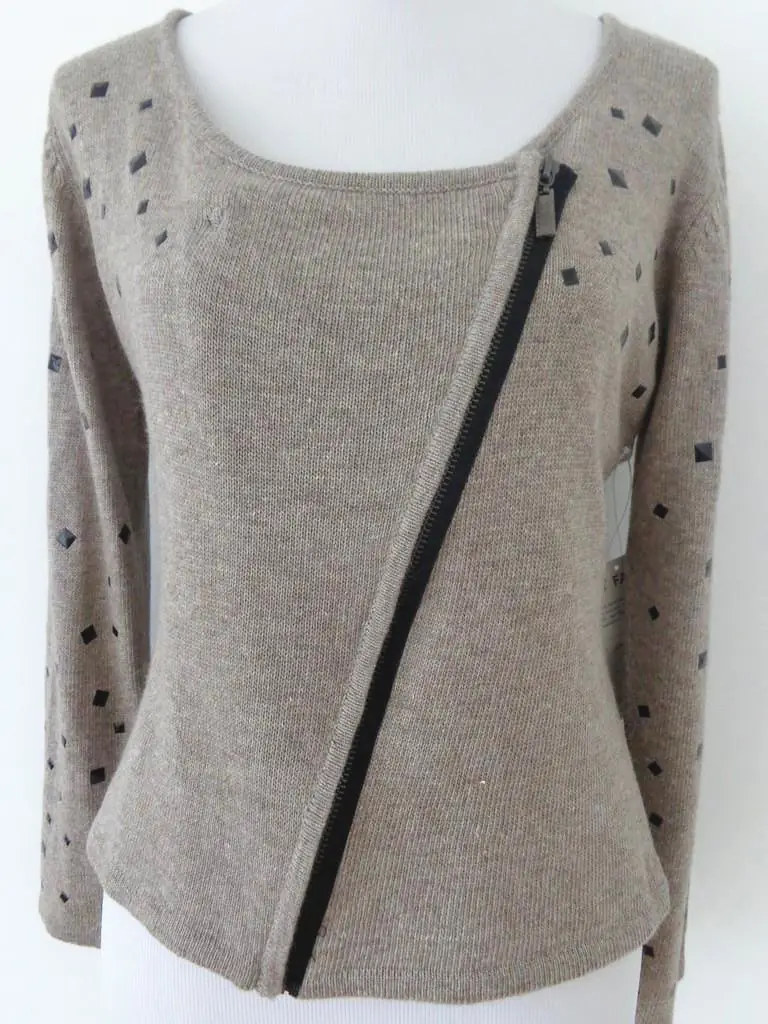
70% Acrylic, 20% Nylon, 10% Angora
Autumn/Winter · View style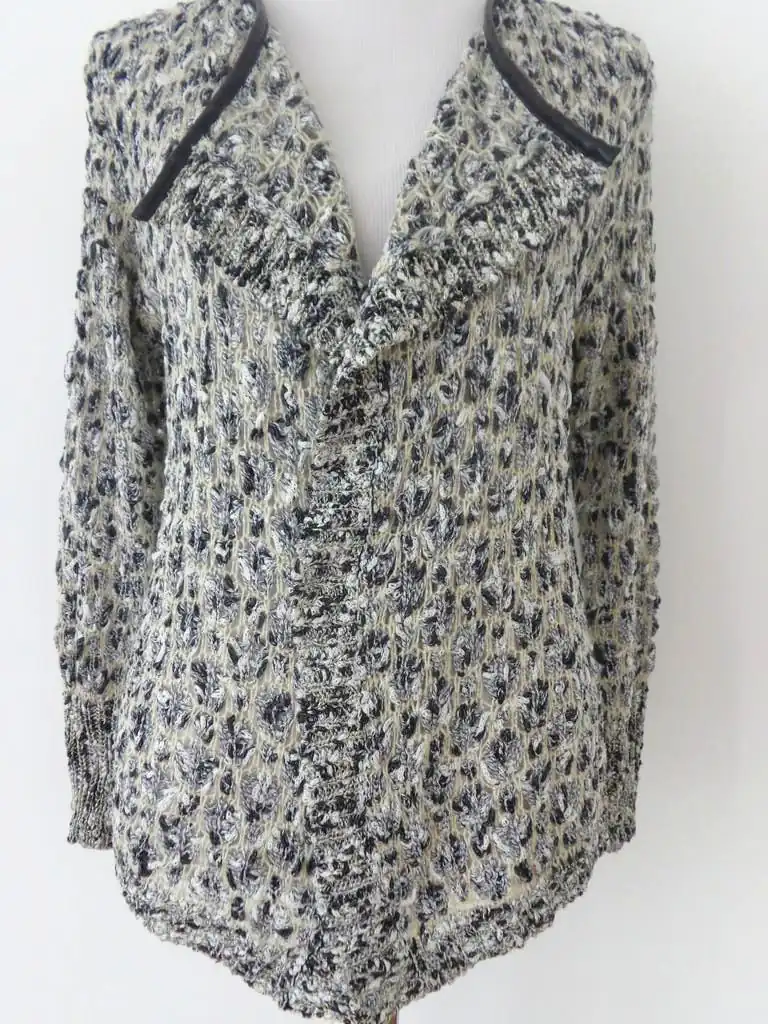
60% Acrylic, 20% Cotton, 10% Lurex
Autumn/Winter · View style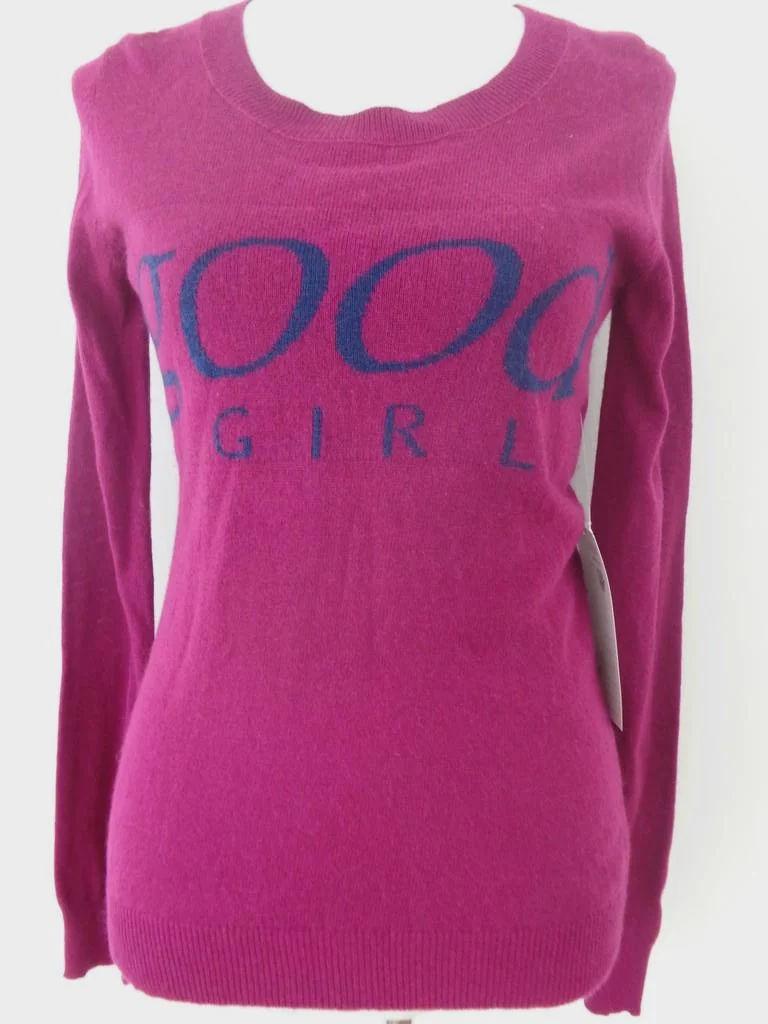
75% Acrylic, 20% Viscose, 5% Angora
Autumn/Winter · View style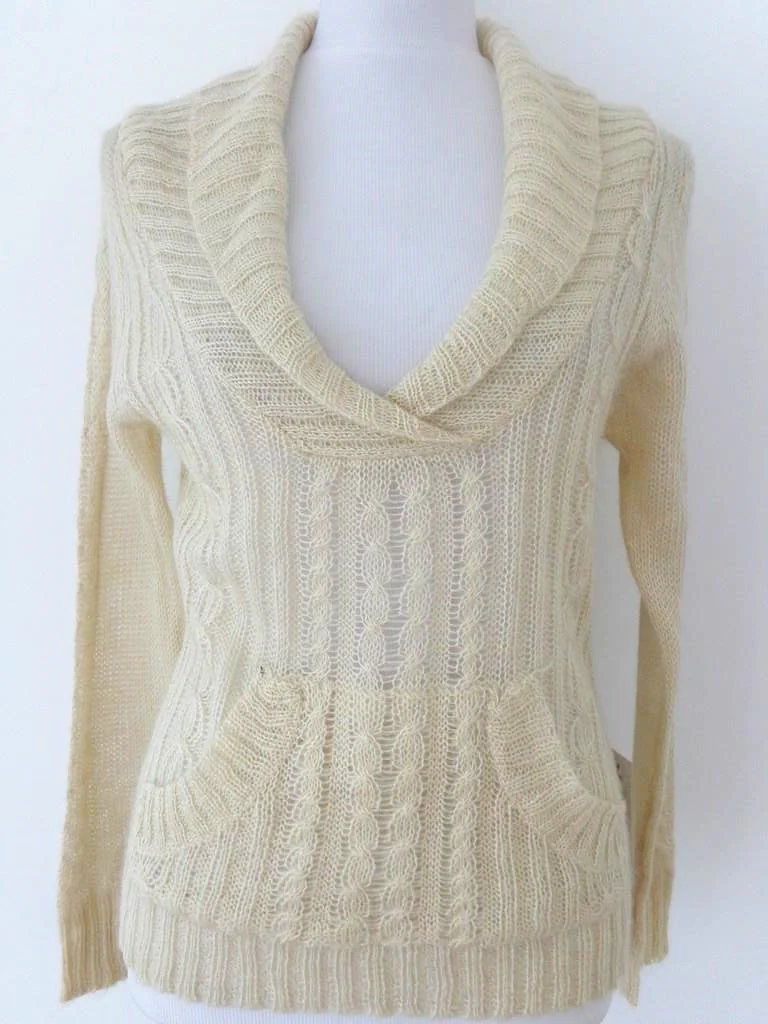
100% Acrylic
Autumn/Winter · View styleNo. It usually means a higher price and a more demanding care label. A well-built acrylic-nylon blend can outperform a loosely spun wool blend in a pilling and wear test.
That pilling is the risk to test for. Ask for a pilling result on the counter sample and record the accepted grade in the order.
It happens when the content is only described and never specified. Put the content in the order and in the sealed sample record.
Send the item number and the question together. Concrete questions get concrete answers.