Eleven checks to complete on the counter sample before you release a bulk order.
Most knitwear disputes are decided at the sampling stage, months before anyone looks at a carton. This is the checklist worth completing on the counter sample before a bulk order is released.
Send a measurement chart with every point defined, including how each point is measured.
State the fibre content you expect, and ask for a yarn card confirming it.
State the care method you intend to print, because the sample has to be tested against it.
Measure every point on the chart and record the deviations.
Check the neckline, cuffs and hem for recovery: stretch them and see whether they return.
Check the seams and the shoulder for even tension.
Check the colour under the lighting your customer will see, not only under daylight.
Check the trims, labels and any applied decoration for attachment strength.
Wash the sample under the intended care method.
Re-measure every point and record the change. This becomes the production chart.
Check for pilling, colour change and surface distortion.
Check whether any decoration lifted, cracked or changed colour.
Seal the approved sample so both sides hold the same reference.
Write the accepted tolerance into the order.
Fix the inspection standard and the inspection point.
Confirm packing, labelling and carton marking, because these are cheap to agree now and expensive to fix at the port.
Every style in this catalogue publishes its fibre content, which is the input all of the above depends on. Start from the full catalogue or from a section such as Women's Autumn/Winter Knitwear, then ask for the points the catalogue does not publish.
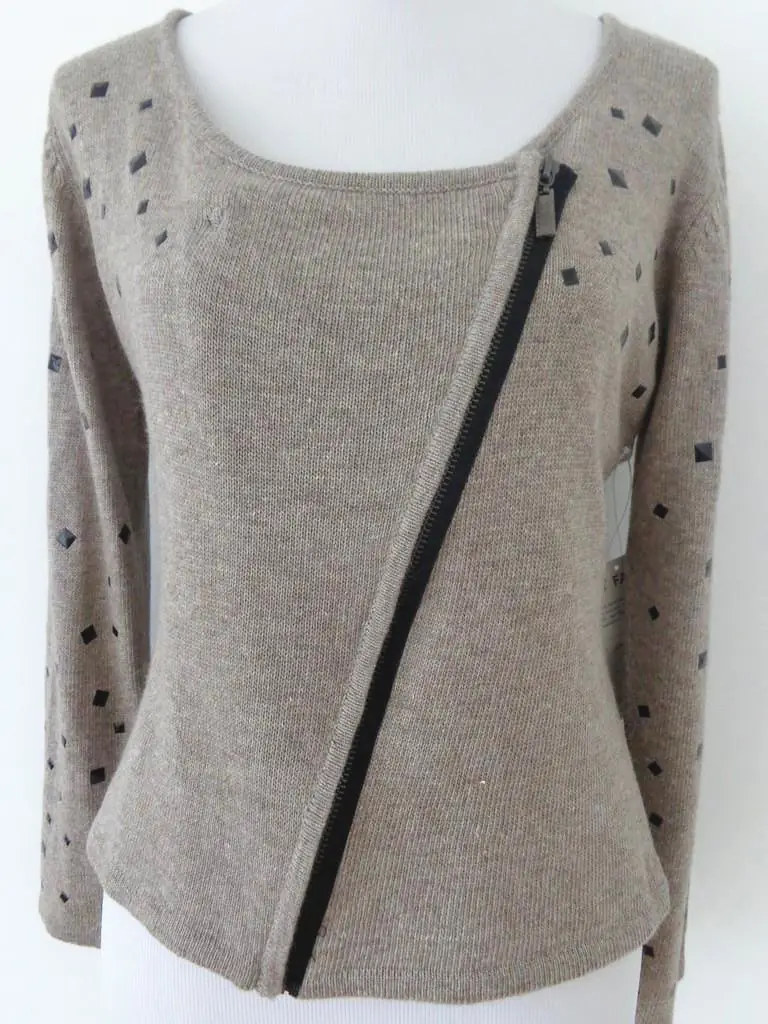
70% Acrylic, 20% Nylon, 10% Angora
Autumn/Winter · View style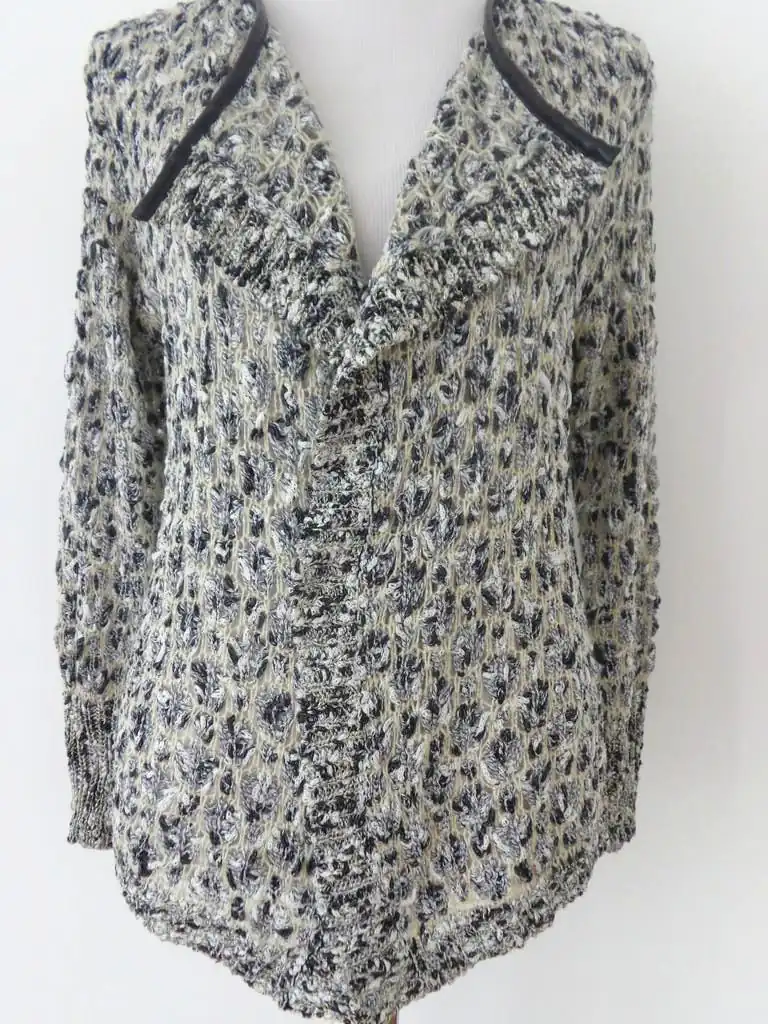
60% Acrylic, 20% Cotton, 10% Lurex
Autumn/Winter · View style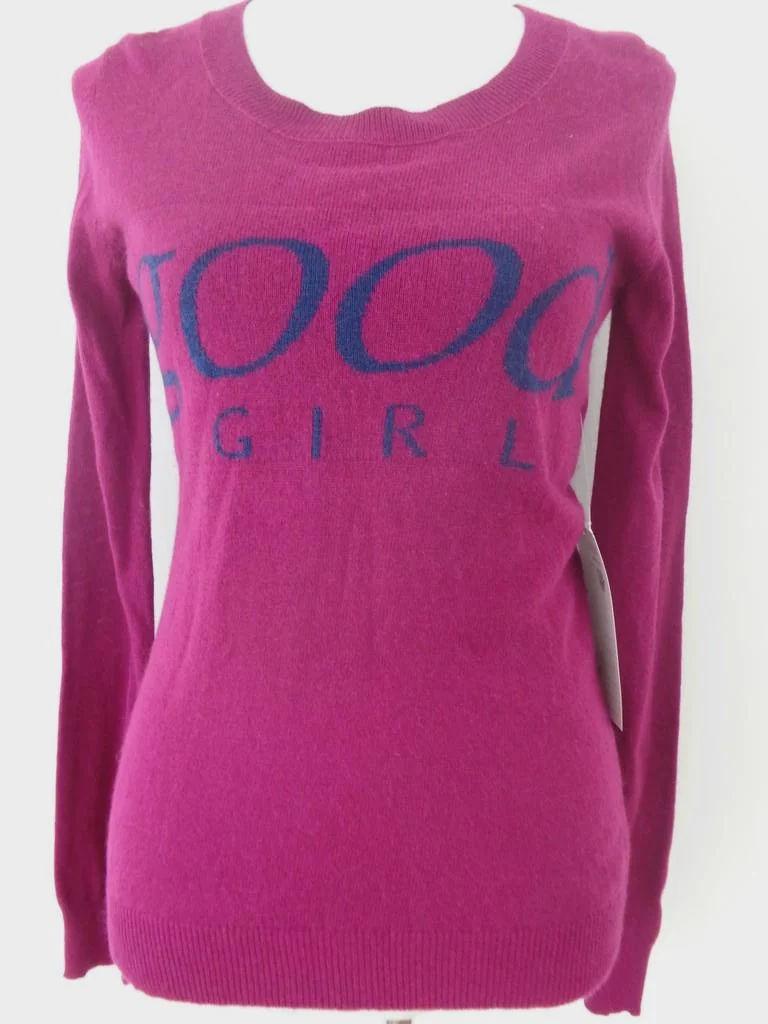
75% Acrylic, 20% Viscose, 5% Angora
Autumn/Winter · View style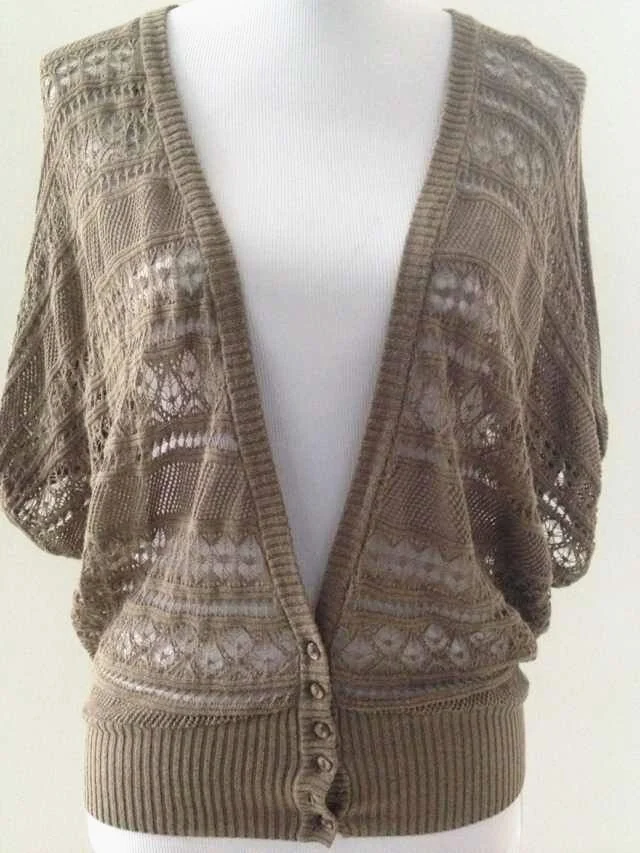
100% Cotton
Spring/Summer · View styleAt least two identical counter samples so that the supplier and you hold the same reference after sealing.
No. A counter sample confirms the body and the yarn; a fit sample confirms the garment against your chart. Larger buyers use both.
That is exactly why the sealed sample, the written tolerance and the inspection standard exist. Without them there is nothing to measure against.
Send the item number and the question together. Concrete questions get concrete answers.