Cost, hand feel, care labelling and returns risk compared side by side.
Acrylic and wool sit at opposite ends of most knitwear decisions: cost, hand, care labelling, returns risk and how the garment reads at the shelf. Here is how the two compare on the points that actually move a buying decision.
Acrylic is a synthetic fibre and its price follows petrochemical inputs, but within a season it is usually the more predictable of the two. Wool prices move with clip volumes and auction cycles, which can open a gap between your costing and your bulk.
For a programme that has to repeat at the same retail price across two seasons, acrylic-led blends are easier to hold. For a programme where the retail price has to read as quality, wool content buys that perception quickly.
Wool has natural crimp, which is why it recovers from creasing and returns to shape after wear. Acrylic is engineered to imitate that springiness and does it well at a lower cost, though it recovers less over a long life.
A blend is often the honest answer. Wool at 10% to 30% in an acrylic ground lifts the hand and the label without the full cost or the full care burden of a wool garment.
Acrylic is normally machine washable at low temperature and dries quickly. Untreated wool needs a wool cycle or dry cleaning, and if the care label is wrong you will see felted garments come back.
For online sellers this is a real cost line. The more demanding the care label, the more clearly it has to appear on the product page, not only in the garment.
For acrylic-led knitwear, test pilling first and shape retention second.
For wool-led knitwear, test shrinkage after the stated care method first, and relaxation in length second.
For both, measure the sample before and after washing and record the difference. That number, not the description, is what you will argue about later.
Acrylic wins on volume programmes, bright colour, easy care and price stability.
Wool wins on perceived value, warmth for weight and the story you can put on a hangtag.
Blends win most of the time, which is why most catalogues are built from them.
Every style in this catalogue publishes its fibre content, which is the input all of the above depends on. Start from the full catalogue or from a section such as Women's Autumn/Winter Knitwear, then ask for the points the catalogue does not publish.
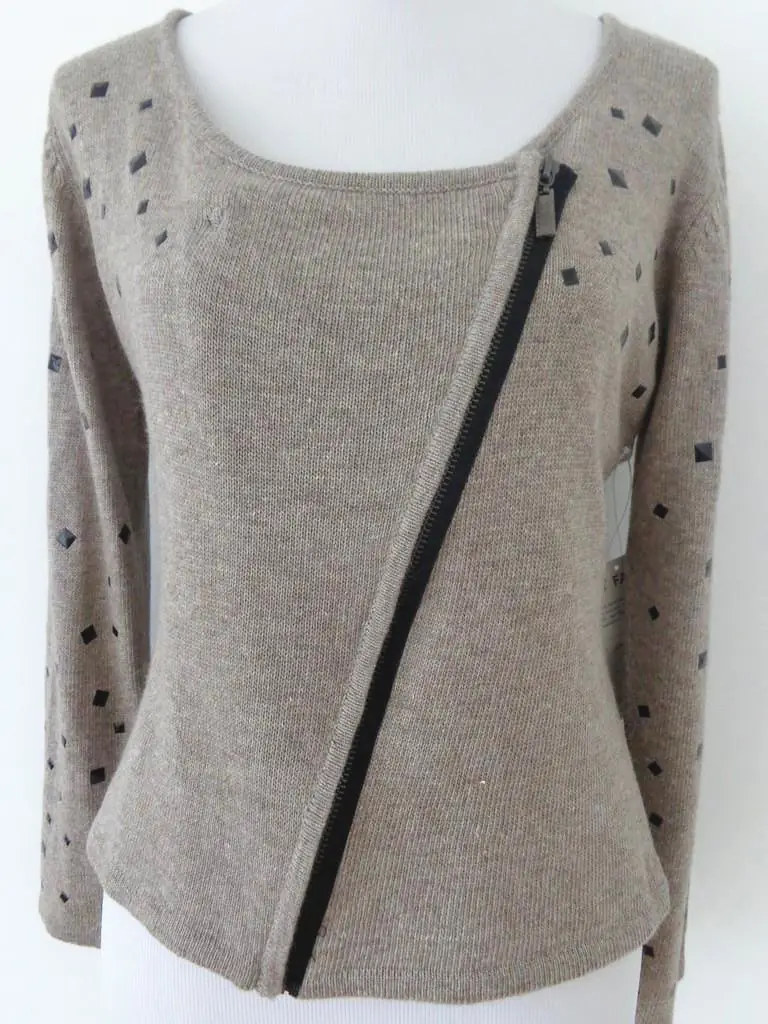
70% Acrylic, 20% Nylon, 10% Angora
Autumn/Winter · View style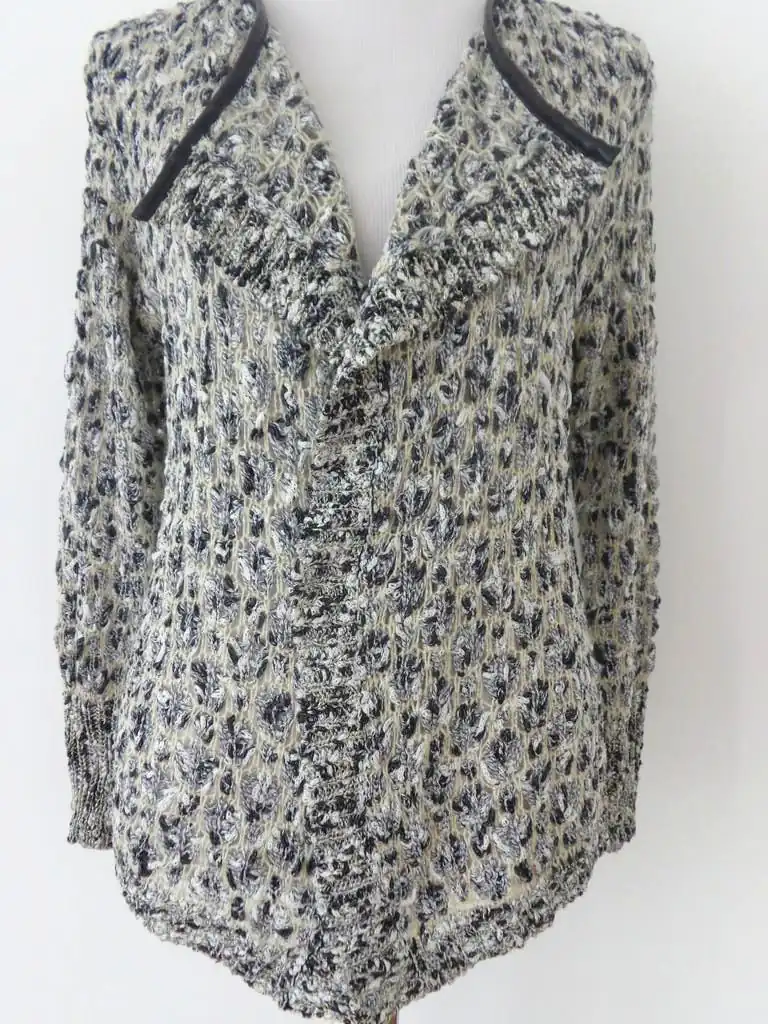
60% Acrylic, 20% Cotton, 10% Lurex
Autumn/Winter · View style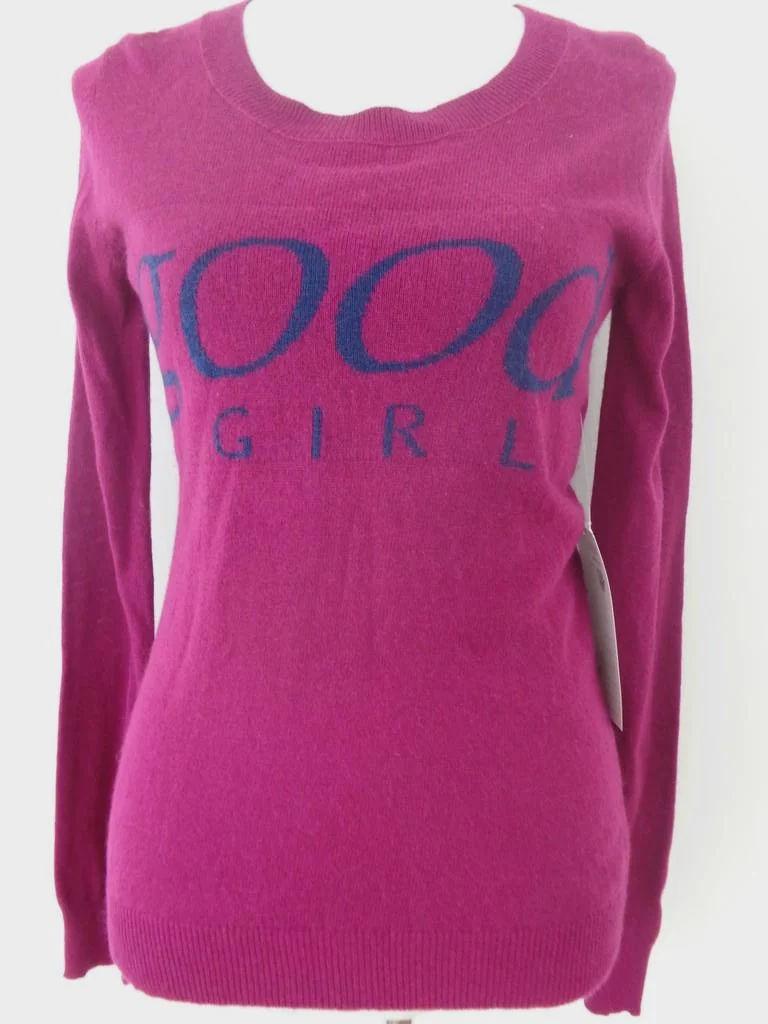
75% Acrylic, 20% Viscose, 5% Angora
Autumn/Winter · View style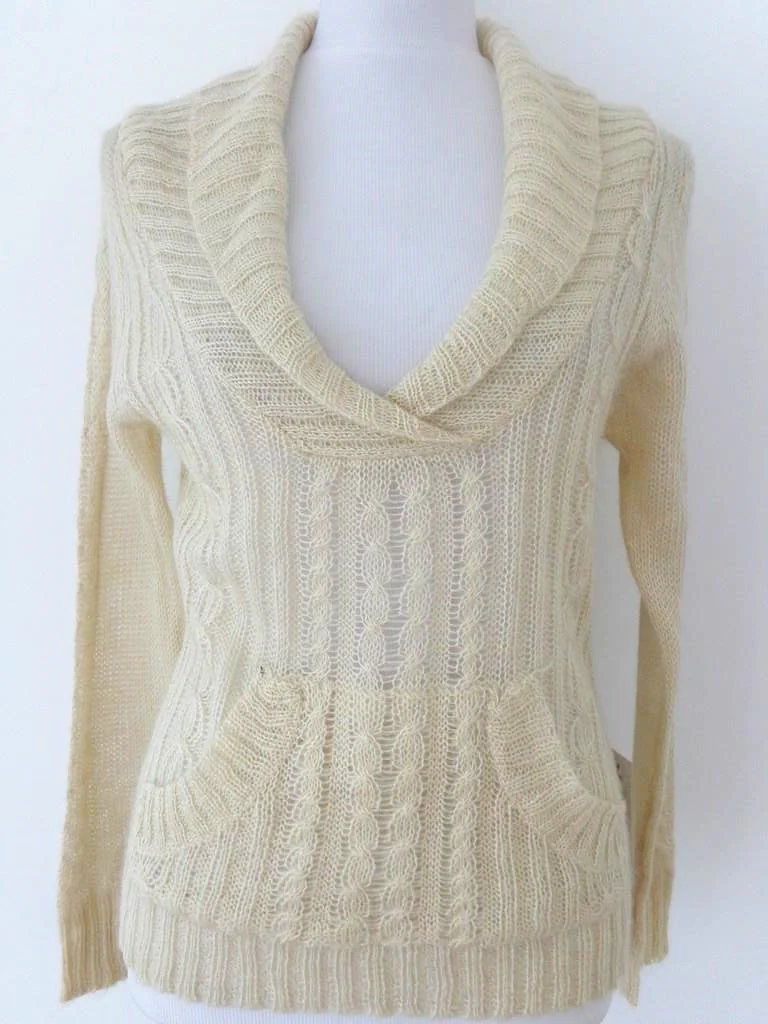
100% Acrylic
Autumn/Winter · View styleWool insulates better for its weight and manages moisture, which is why it feels warmer in real conditions. Acrylic can be knitted heavier to compensate.
Buyers usually start noticing at around 10%, and the effect on the label is immediate. Below that it is mainly a labelling decision.
Acrylic, unless the wool has been treated for machine washing. Confirm the treatment before you print the care label.
Send the item number and the question together. Concrete questions get concrete answers.