How the Spring/Summer and Autumn/Winter halves of a knit catalogue are usually built.
A knit catalogue is not a flat list. It is two halves with different economics, different fibres and different calendars. Understanding how the halves are built makes it much faster to select from one.
Spring/Summer knitwear is lighter, finer and mostly cotton, viscose or rayon-led. It sells over a shorter window and is more price-sensitive.
Autumn/Winter knitwear is heavier, carries more surface interest and usually more fibre variety. It sells longer at full price and is where most knit margin is made.
In this catalogue the split is visible in the numbers: the Autumn/Winter sections are considerably larger than the Spring/Summer section, which is typical for a knitwear supplier.
Start with the bodies that have to repeat. These are your volume, and they should be the most conservative fibre choices in the range.
Add fibre stories next: a wool blend, a hair-fibre blend, a metallic. These carry the range's variety without new bodies.
Add the occasion pieces last and in the smallest depth, because they are the hardest to repeat and the easiest to over-buy.
SS bulk is usually confirmed in the second half of the previous year; AW bulk in the first half of the same year.
Work backwards from the cut date: booking, inspection, production, yarn, sample approval, sampling. The two stages that cannot be compressed are yarn and sample approval.
Raise wash testing and measurement charts at the start of the process, not at the end.
Filter first by season, then by fibre, then by body.
For each shortlisted style, confirm the four things that are usually not published: colourways, size range, MOQ and lead time.
Keep the fibre content as your constant. It is the one thing on the offer sheet that determines cost, care and customer expectation at the same time.
Every style in this catalogue publishes its fibre content, which is the input all of the above depends on. Start from the full catalogue or from a section such as Women's Autumn/Winter Knitwear, then ask for the points the catalogue does not publish.
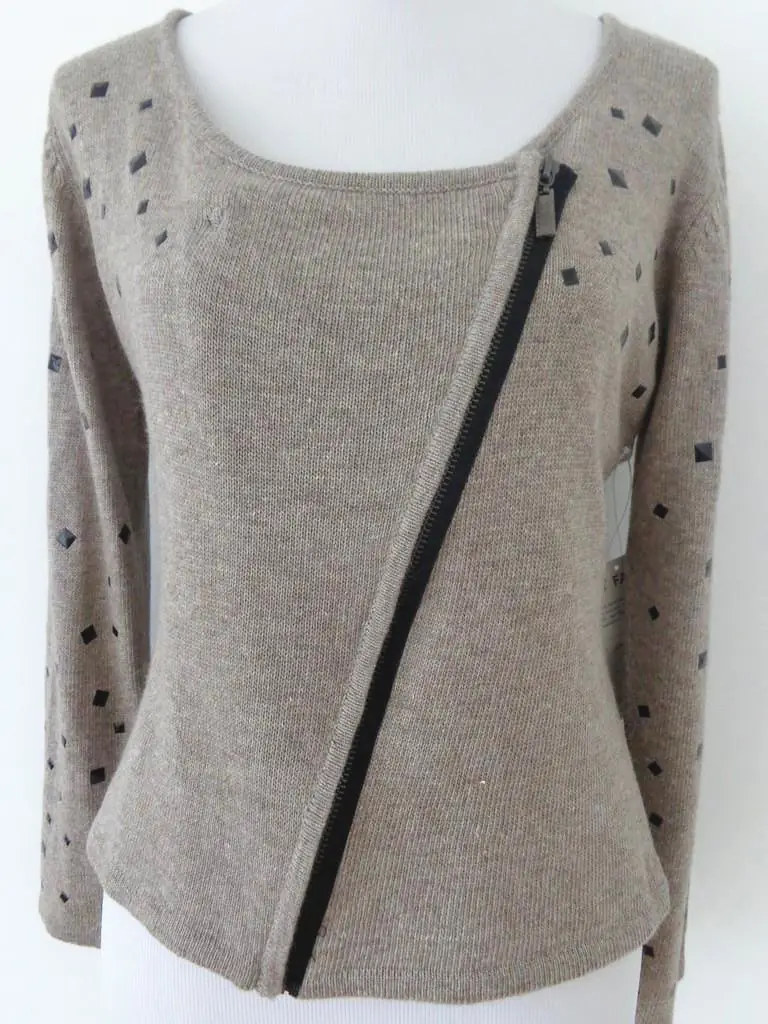
70% Acrylic, 20% Nylon, 10% Angora
Autumn/Winter · View style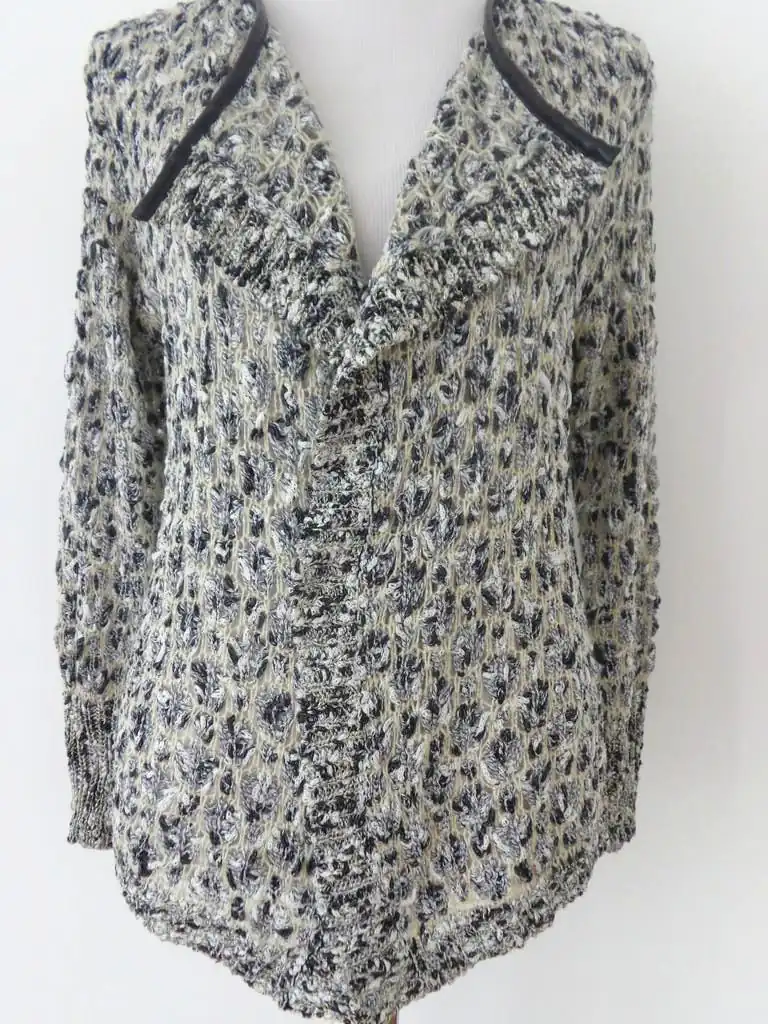
60% Acrylic, 20% Cotton, 10% Lurex
Autumn/Winter · View style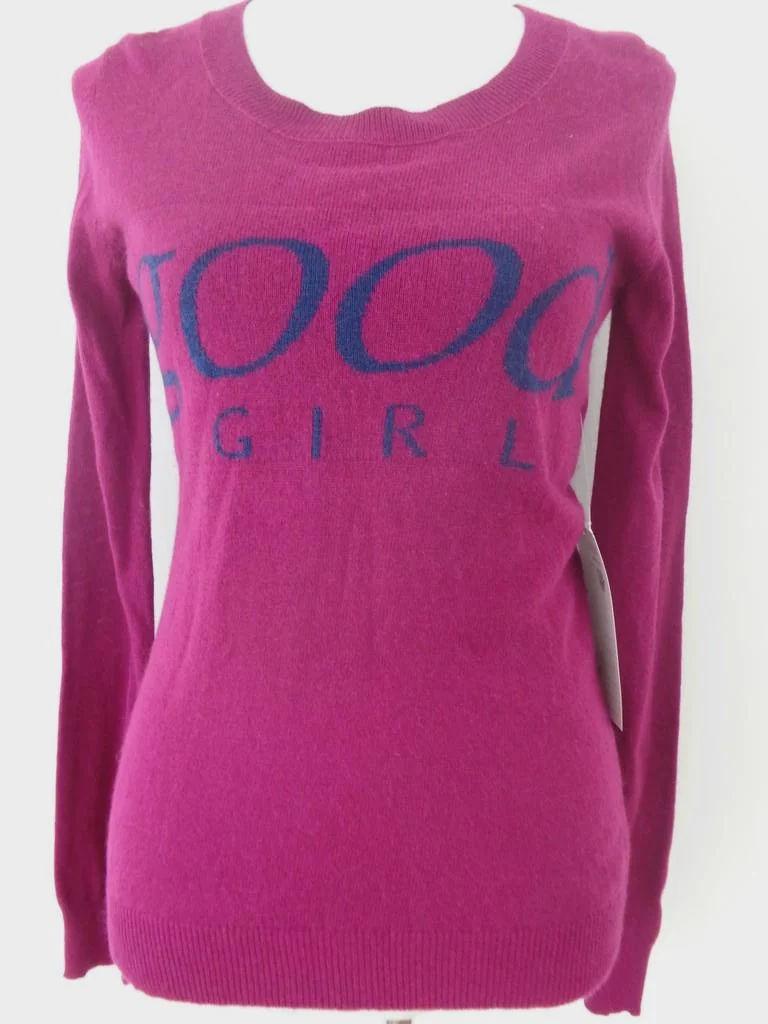
75% Acrylic, 20% Viscose, 5% Angora
Autumn/Winter · View style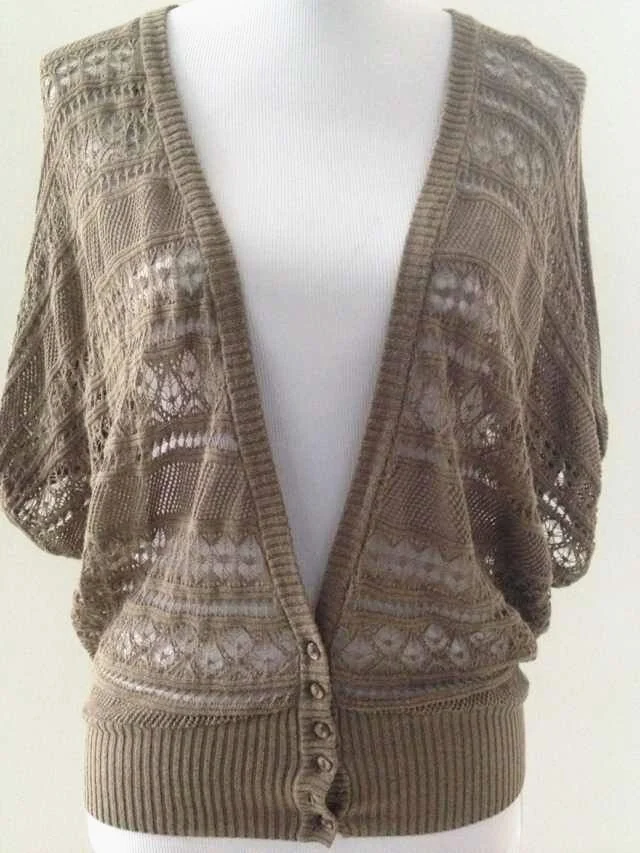
100% Cotton
Spring/Summer · View styleFewer than most buyers expect. Depth on proven bodies beats breadth on untested ones, especially in a first season with a new supplier.
It helps, because the measurement discipline and the sealed samples carry over. The fibre mix will be different even when the bodies repeat.
Leaving yarn availability out of the calendar. Yarn lead time sits outside the factory and is often the binding constraint.
Send the item number and the question together. Concrete questions get concrete answers.