You select from the catalogue and adapt it, rather than developing a body from zero.
Shortlist bodies from the Spring/Summer or Autumn/Winter sections
Ask which yarn qualities each body can be knitted in
Agree colourways and confirm the colour card
Approve a counter sample per body, not per range
Place bulk with the approved sample as the reference
None of these five are published in the source catalogue. That is normal for a knitwear catalogue, and it is exactly why they belong in the first email rather than the last one.
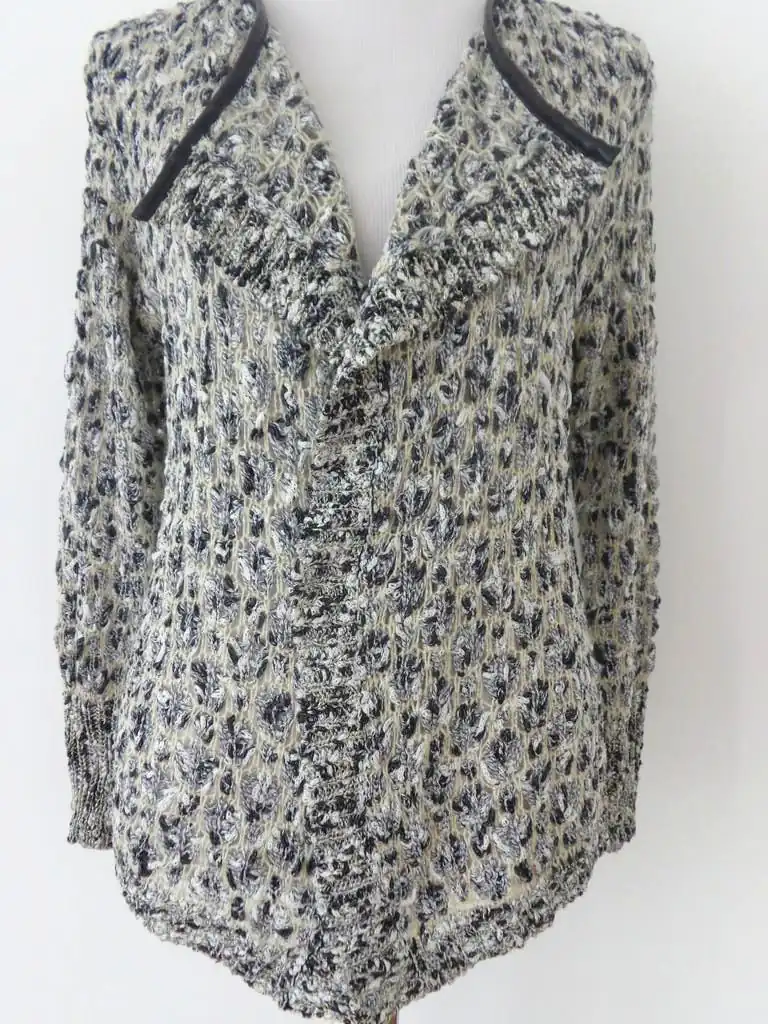
60% Acrylic, 20% Cotton, 10% Lurex
Autumn/Winter · View style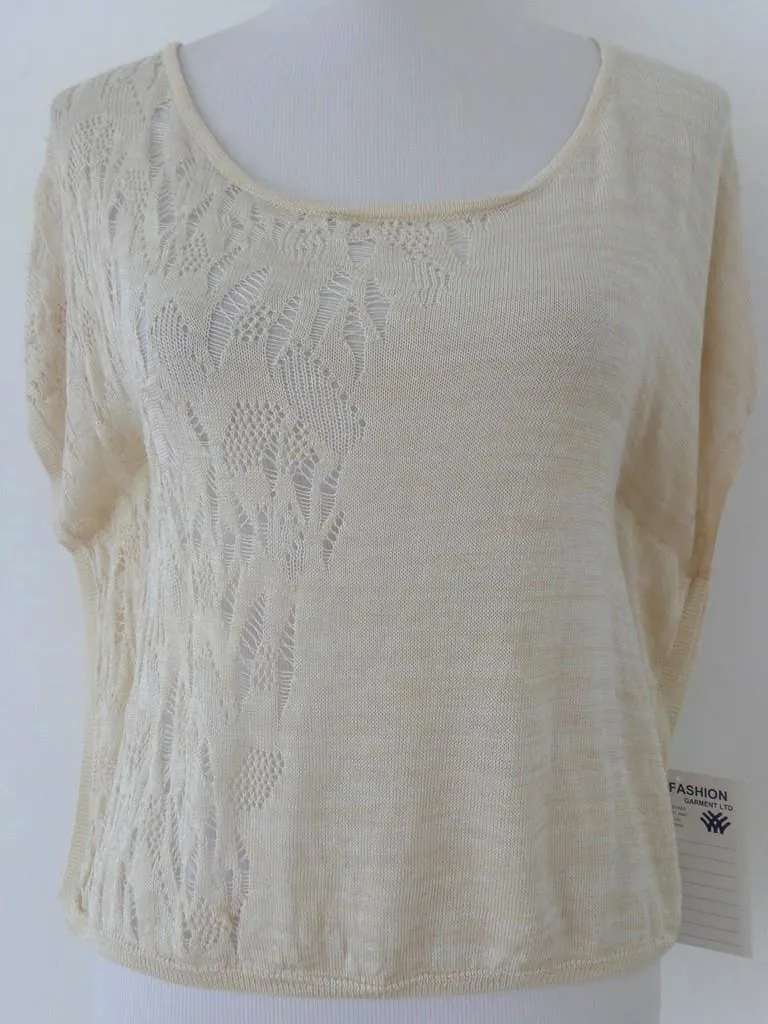
100% Viscose
Spring/Summer · View style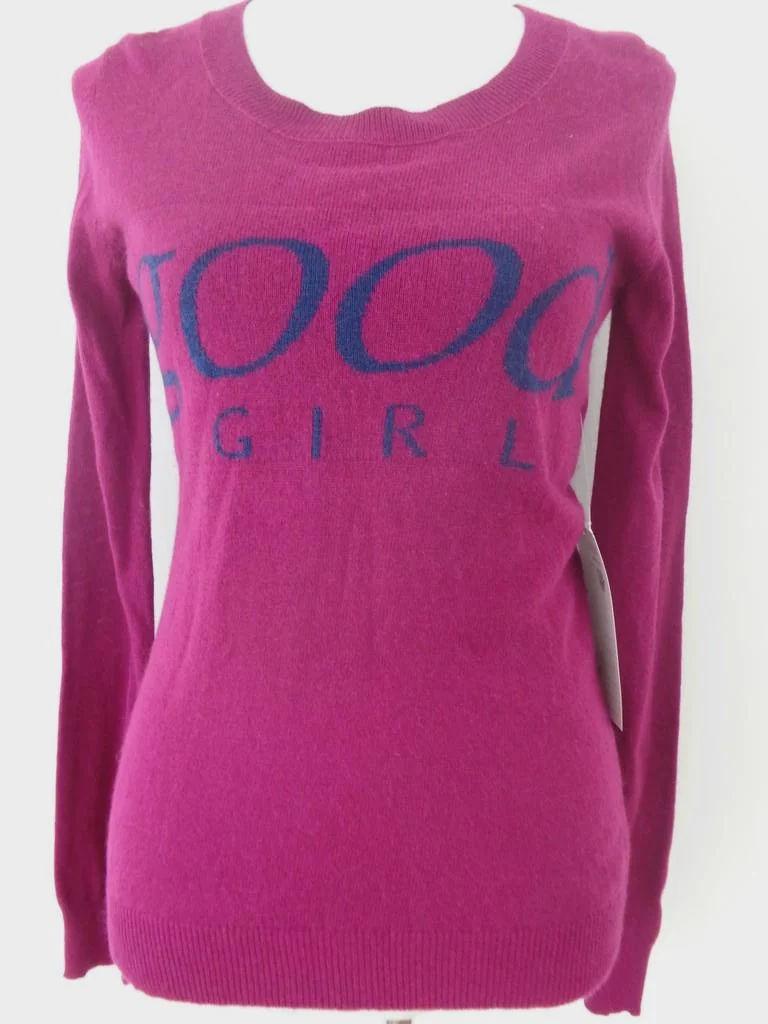
75% Acrylic, 20% Viscose, 5% Angora
Autumn/Winter · View style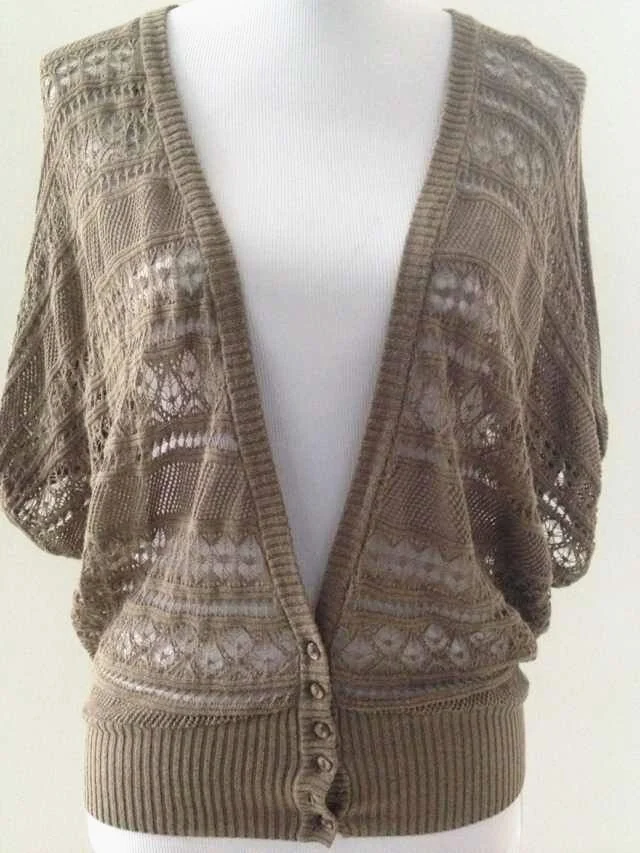
100% Cotton
Spring/Summer · View styleLead times are not published in the source catalogue. Ask for the sampling lead time and the yarn lead time separately, because the second one usually sits outside the factory.
For development: a tech pack, a measurement chart with every point defined, the intended fibre content and the care label you plan to print. For catalogue selection: the item numbers and the quantity.
Put it in writing on both sides. A sealed counter sample plus a written tolerance is what makes a later inspection meaningful.
Sample cost and sample lead time are not published. Ask for both in the same message as the quotation request.
Send what you have: a tech pack, a chart, a photo or just a list of item numbers. The first reply will tell you what is missing.