
- Home
- Knowledge Center
- Activewear Fabric Guide for Nylon Polyester and Spandex
Activewear Fabric Guide for Nylon Polyester and Spandex
What each fibre in a composition is doing, read off the compositions this factory actually publishes.
Nylon carries the hand feel
Most seamless styles in this catalogue are 92% nylon with 8% spandex. Nylon gives the smooth, slightly cool hand that studio wear is bought for, and it takes dye deeply, which is why seamless colour tends to look richer.
Polyester carries the drying and the price
Where polyester appears, it is usually doing one of two jobs: moisture management in a training tee, at 92% polyester with 8% spandex, or cost and structure in a blend such as the 60% nylon, 32% polyester and 8% spandex used on two seamless styles here.
Spandex is the number to read first
Spandex content is what people mean when they say stretch. In this catalogue it runs from 4.4% on a nylon cargo fabric, through 6% on the jumpsuit and the running jacket, to 30% on the tights and the invisible thong. A higher figure is not better; it is different.
Cotton and its blends are a different brief
Hoodies and tees here run from 100% cotton and 100% cotton terry through to 51.6% cotton with 48.4% polyester. Cotton is bought for hand feel and for how it takes a wash, not for moisture management.
Modal viscose and lyocell change the drape
The women's tie-back tee is 47% modal, 47% viscose and 6% spandex, and one corduroy hoodie shell carries 29.6% viscose and lyocell. These fibres are chosen where the garment has to fall rather than hold its shape.
Recycled options exist and are published where they are used
One seamless style is knitted in 92% recycled nylon with 8% spandex. The company's published position is that it actively sources sustainable materials to client requirements.
Styles Referenced In This Guide
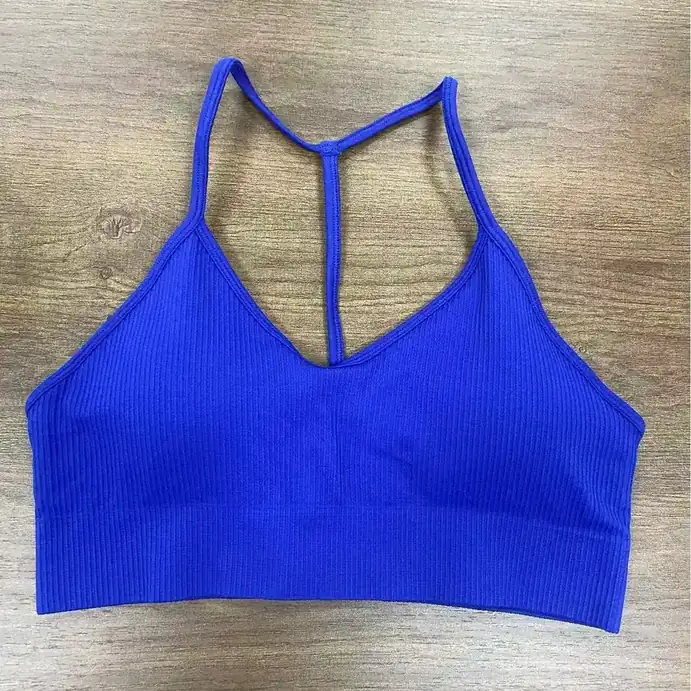
Women's Ribbed Seamless Sports Bra
Women's sports bra in 92% Nylon, 8% Spandex, with rib knit, knitted seamlessly in Yiwu and produced to order from 300 pieces per colour.
Style G027 See the specification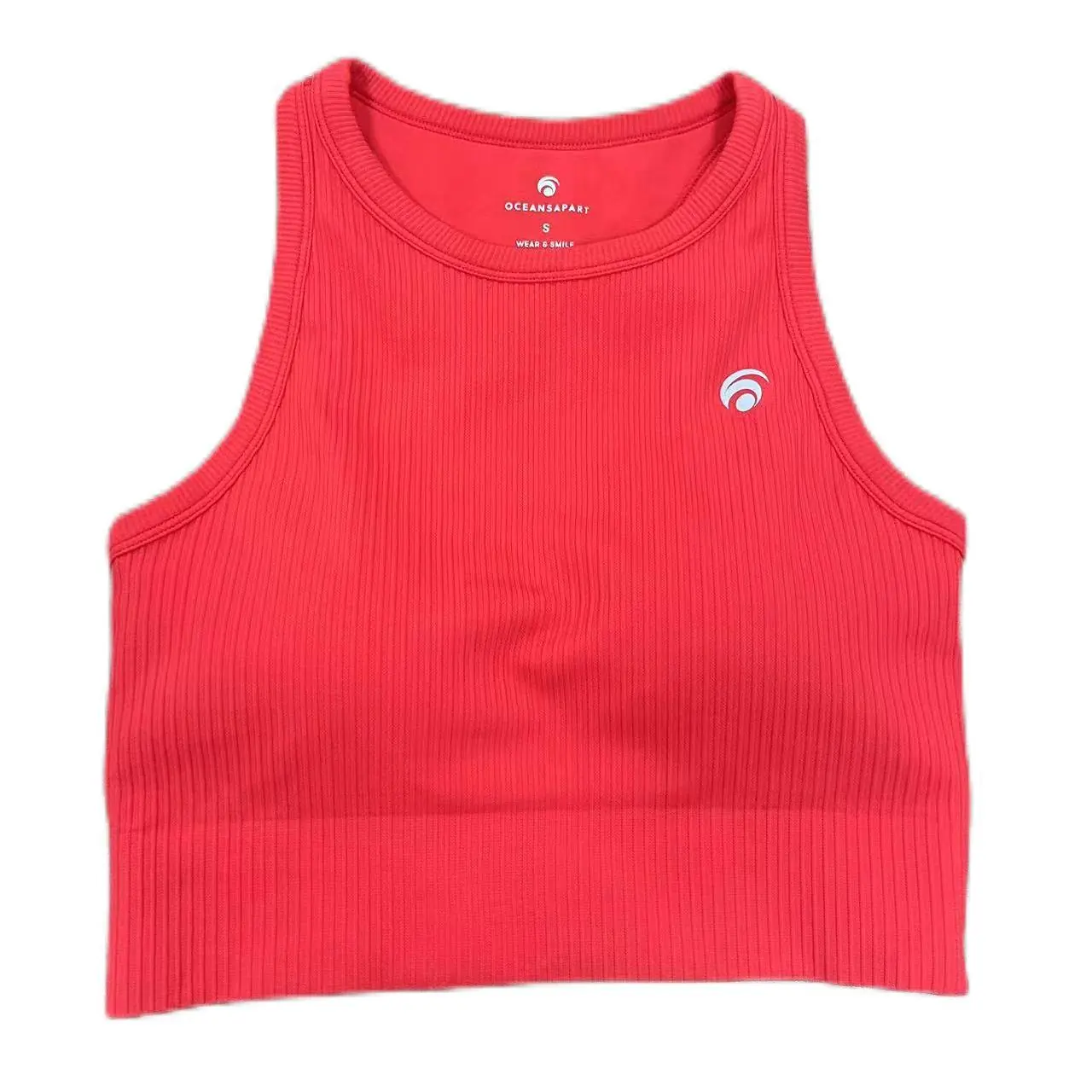
Women's Ribbed Seamless Tank
Women's tank in 92% Nylon, 8% (fibre not named on the source sheet), with rib knit, knitted seamlessly in Yiwu and produced to order from 300 pieces per colour.
See the specification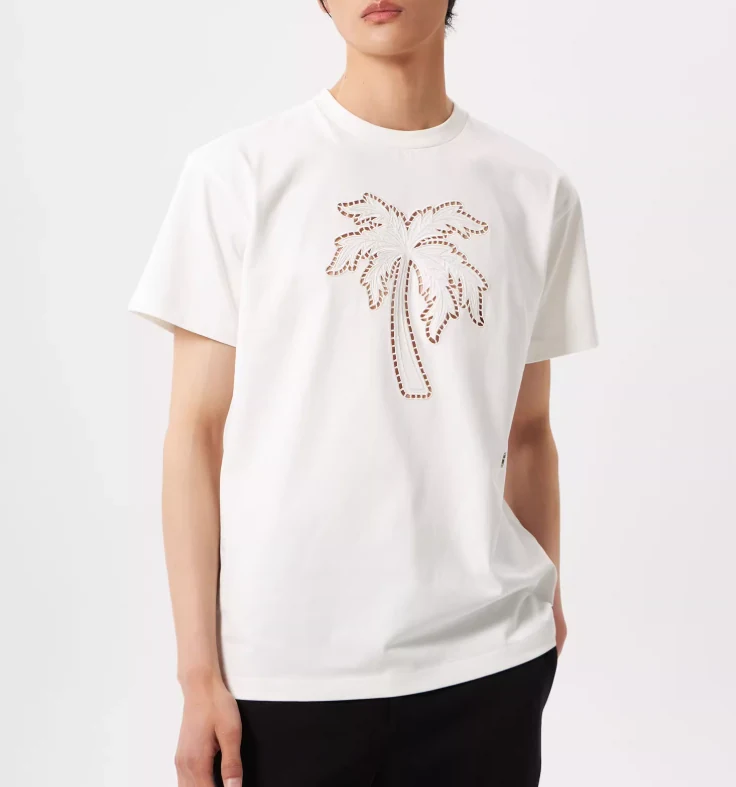
Men's Heavyweight T-Shirt Hollow Embroidery
Men's t-shirt in 78% Cotton, 22% Polyester, with hollow embroidery, heavy weight jersey, cut and sewn in Yiwu and produced to order from 200 pieces per colour.
Style G032 See the specification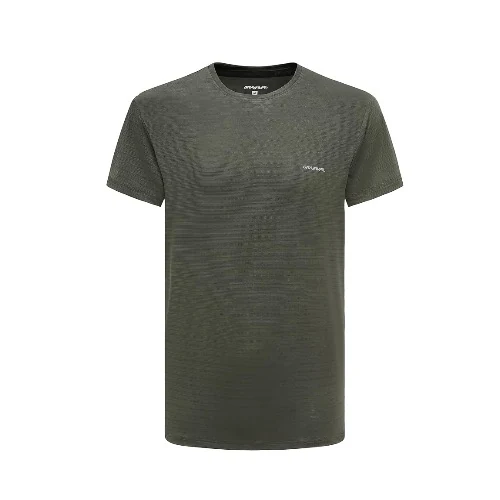
Men's Workout T-Shirt Crew-Neck Short Sleeve Moisture-Wicking
Men's t-shirt in 92% Polyester, 8% Spandex, with moisture wicking finish, crew neck, cut and sewn in Yiwu and produced to order from 200 pieces per colour.
See the specification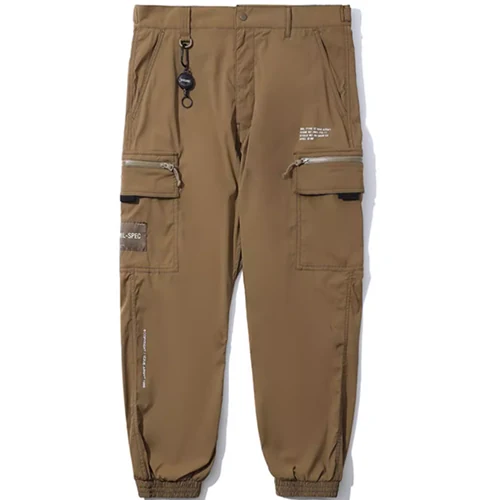
Men's Cargo Pants
Men's pants in 95.6% Nylon, 4.4% Spandex, with cargo pockets, cut and sewn in Yiwu and produced to order from 200 pieces per colour.
Style G037 See the specification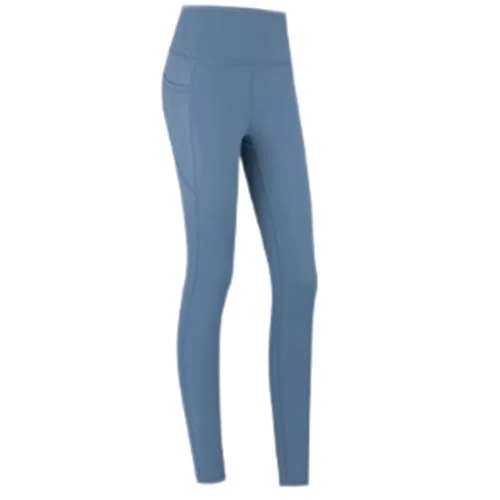
Women's Tights
Women's tights in 70% Nylon, 30% Spandex, cut and sewn in Yiwu and produced to order from 200 pieces per colour.
Style G041 See the specificationFamilies Covered
Questions About This Guide
What fabric weight do you use?
Can we specify our own fabric?
Which fibre is best for gym wear?
Put This Into Practice
Send what you are planning to make and a recommendation with the published fibre content comes back by email.