
Shoe Construction Methods And What They Mean For Buyers
How the upper is joined to the sole changes cost, repairability and the market a shoe belongs in.
Why Construction Matters More Than It Looks
Two shoes can use the same leather and the same last and still sit in different price brackets because of how the upper meets the sole. Construction affects tooling, labour, repairability and the story you can tell at retail.
Cemented Construction
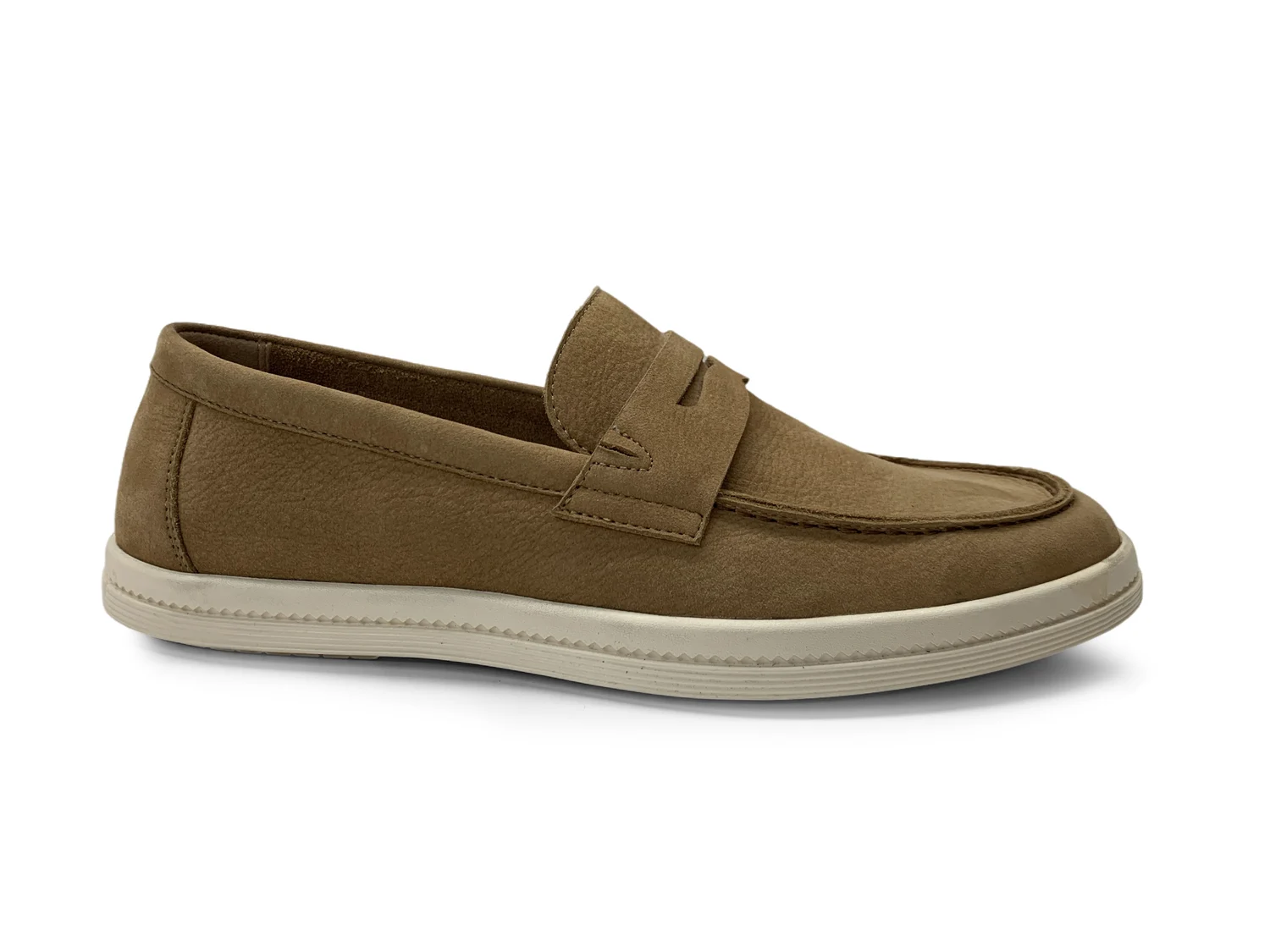
The upper is bonded to the sole with adhesive. It is the most common method in volume footwear, keeps the shoe light and flexible, and suits casual and fashion styles where the retail price has to stay controlled.
Stitched Constructions
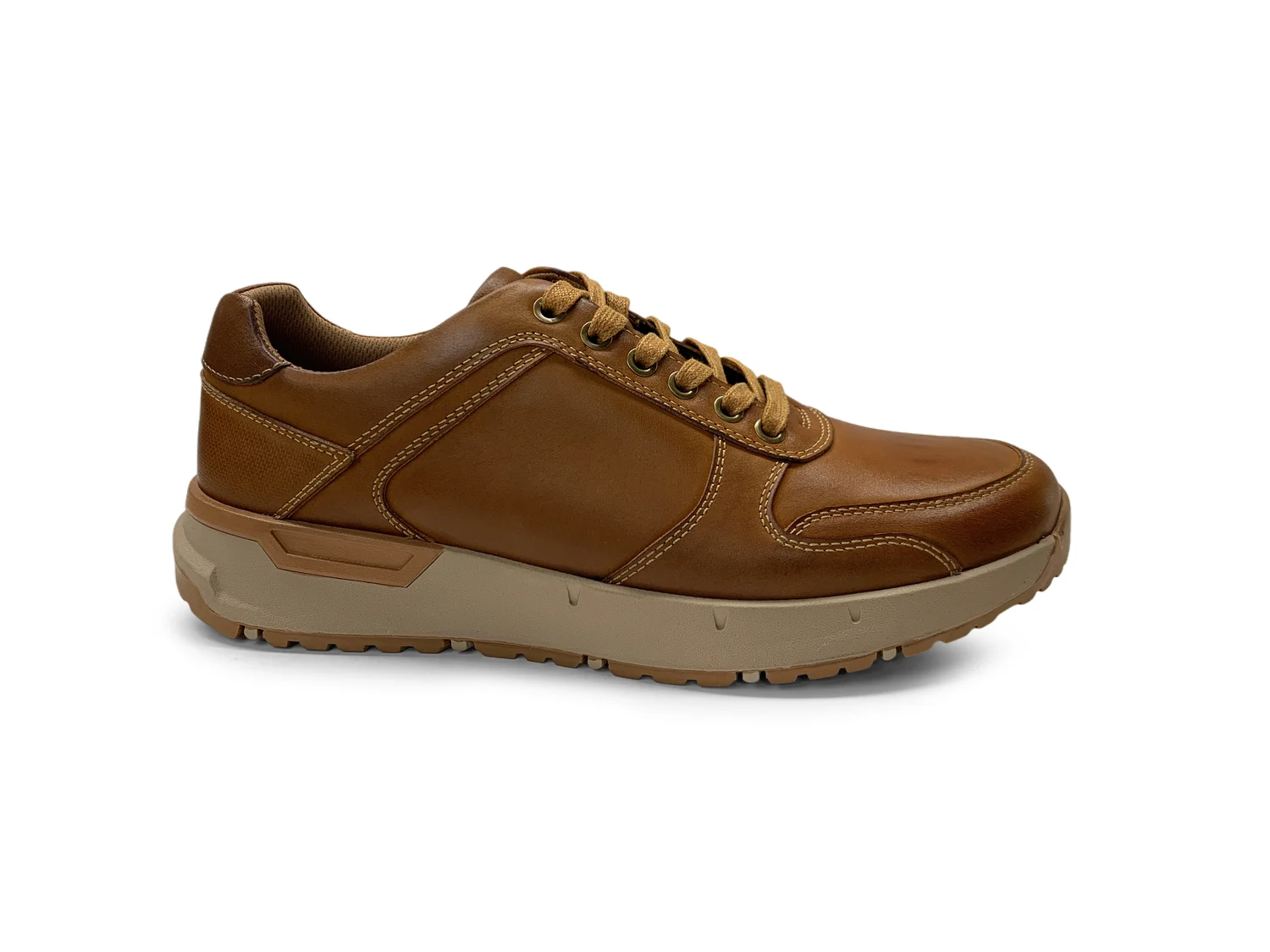
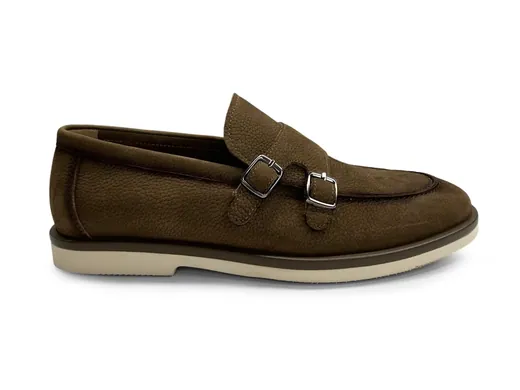
Stitched methods join the upper and sole mechanically as well as with adhesive. They cost more in labour and tooling and are used where durability and repairability are part of the product's positioning, typically in formal and heavier styles.
Choosing For Your Market
A buyer selling into a fashion channel that refreshes every season has different priorities from one supplying a classic menswear chain. Decide the retail price and the expected life of the product first, then let construction follow from it.
Agreeing Construction At Development
Construction should be fixed before sampling, because changing it later means new tooling and a new sample round. Discuss it in the same conversation as leather and sole selection.
Questions On This Topic
Which construction do you recommend?
It depends on the retail price and the market you sell into. Send us both and our development team will propose a construction with the sample.
Does construction change the sample lead time?
Sample delivery is normally around 30 days once design and materials are confirmed. Changing construction after approval restarts that round.
Ask Our Development Team Directly
Send your design or your question. We answer specification questions on WhatsApp before any order is placed.