
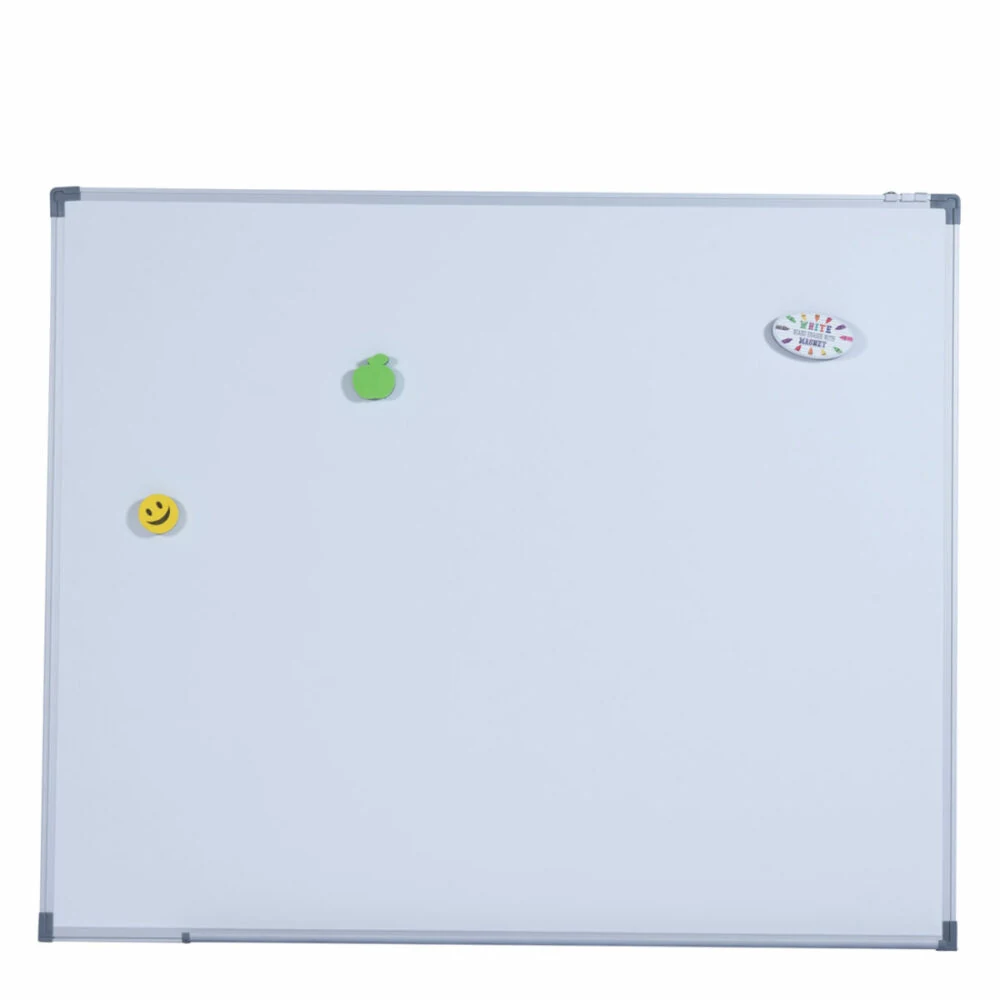
Melamine Non Magnetic Whiteboard
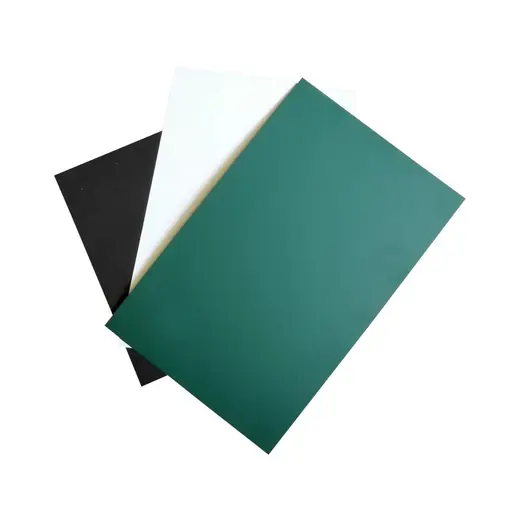
The melamine whiteboard uses a melamine coated MDF writing sheet instead of painted steel.
What This Board Is
The melamine whiteboard uses a melamine coated MDF writing sheet instead of painted steel. It looks and writes like a standard whiteboard but the surface is not magnetic, which brings the cost down for rooms where nothing is ever pinned to the board. It is the volume option for offices, schools and workshops buying boards by the pallet.
Key Benefits- Lower cost per board than a steel faced whiteboard for the same writing area
- Lighter panel than a steel build, which simplifies wall fixing
- Same aluminium frame ABS corners and pen tray as the magnetic range so a mixed order looks consistent
- Six standard sizes up to 1200x2400mm
Buyers
- Buyers filling a whole site where budget per board matters
- Stationery wholesalers carrying an entry level board line
- Facilities teams replacing boards across many small rooms
Pain Points
- Paying for a magnetic surface in rooms where magnets are never used
- Board budgets that will not stretch across every room at steel board prices
- Heavy boards that need special fixings on light partition walls
Where It Is Used
- Open plan offices with a board at every desk cluster
- Schools buying boards in quantity for general teaching rooms
- Workshops using boards for shift notes and job lists
- Home offices and study rooms
How It Is Built
- Melamine MDF writing sheet surface
- Corrugated cardboard core with galvanized steel back sheet
- Aluminium frame with ABS plastic corners
- Pen tray available
- Melamine sheet cutting
- Core lamination
- Back sheet bonding
- Frame and corner assembly
Specification Table
| Mounting | Wall mounted |
|---|---|
| Surface | Melamine MDF writing sheet |
| Middle | Corrugated cardboard |
| Back | Galvanized steel sheet |
| Frame | Aluminium frame |
| Corner | ABS plastic corner |
| Pen tray | Available |
| Magnetic | Non magnetic |
| Sizes | 300x450mm, 450x600mm, 600x900mm, 900x1200mm, 1200x1800mm, 1200x2400mm |
| Custom sizes | Available |
Sizes outside the list are custom made. Send your dimensions and we will confirm the build.
Checked Before Packing
- Dry erase write and wipe test on the melamine face
- Edges checked for melamine chipping before framing
- Frame and corner fit checked on every assembled board
What Can Change
- Sizes outside the six standards can be custom made
- Pen tray fitted or omitted
- Ordered alongside magnetic boards so one shipment covers a whole building
Getting It Right On Site
- Use dry erase markers only; permanent marker is hard to remove from melamine
- Erase regularly rather than leaving writing on the board for weeks
- Clean with a barely damp cloth and dry immediately so moisture does not reach the MDF edge
How It Differs From The Alternatives
Compared with Wall mounted magnetic whiteboard
The steel faced board holds magnets and lasts longer under heavy daily writing; melamine is cheaper.
Compared with Glass whiteboard
Glass is the most durable writing surface in the range and melamine the most economical.
Often Ordered Alongside
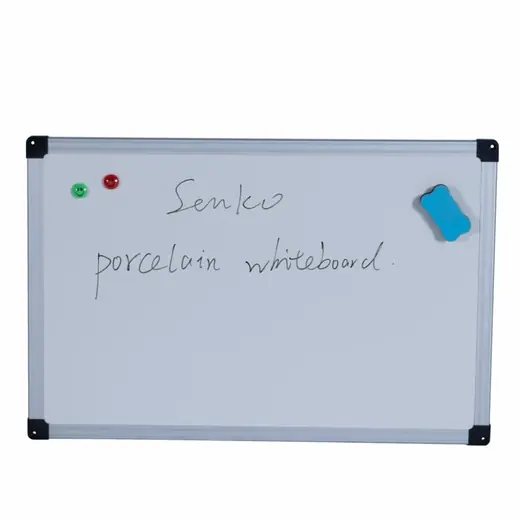
Wall Mounted Magnetic Whiteboard
Magnetic Whiteboard
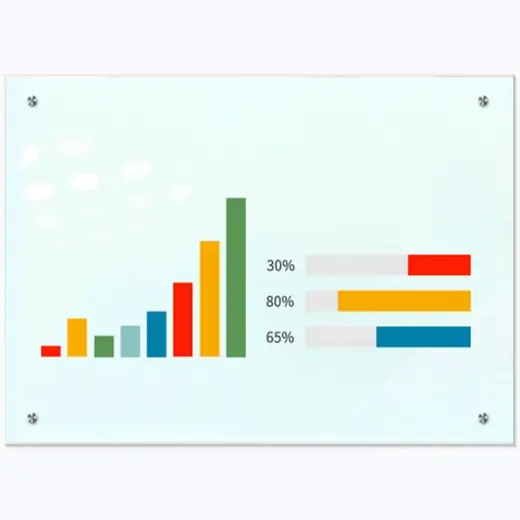
4mm Tempered Glass Whiteboard
Glass Whiteboard
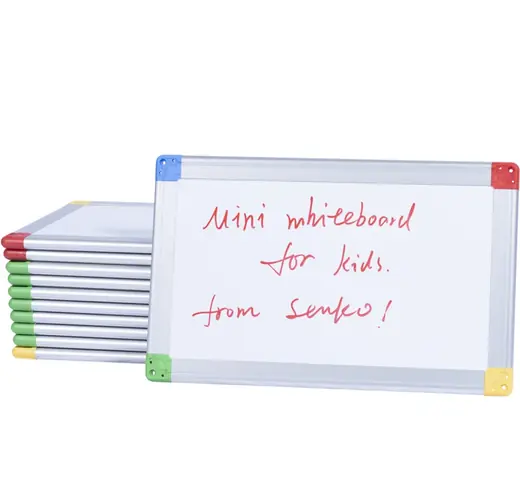
Kids Magnetic Whiteboard
Kids Whiteboard
Worth Reading First
Melamine Non Magnetic Whiteboard FAQ
Will magnets stick to this board?
No. The melamine surface is non magnetic. Choose the resin or ceramic coated steel boards if you need magnets.
How does it compare on writing feel?
It writes like a standard whiteboard. The difference over time is durability, which is why heavy use rooms are usually specified in coated steel.
What sizes can I order?
Six standard sizes from 300x450mm up to 1200x2400mm, plus custom sizes.
Does it come with a pen tray?
A pen tray is available.
Can it be mixed with magnetic boards in one order?
Yes, and the frames match so the site looks consistent.
What is the production time?
Around 30 days for one 40'HQ container.
Quote Melamine Non Magnetic Whiteboard
Tell us the sizes, the surface and the quantity. We will confirm the build and how it loads into a container.