
Magnetic and Non Magnetic Whiteboards Compared
The difference is what the board is built on, not what it is painted with. Here is how to decide which one a room actually needs.
Where The Magnetism Comes From
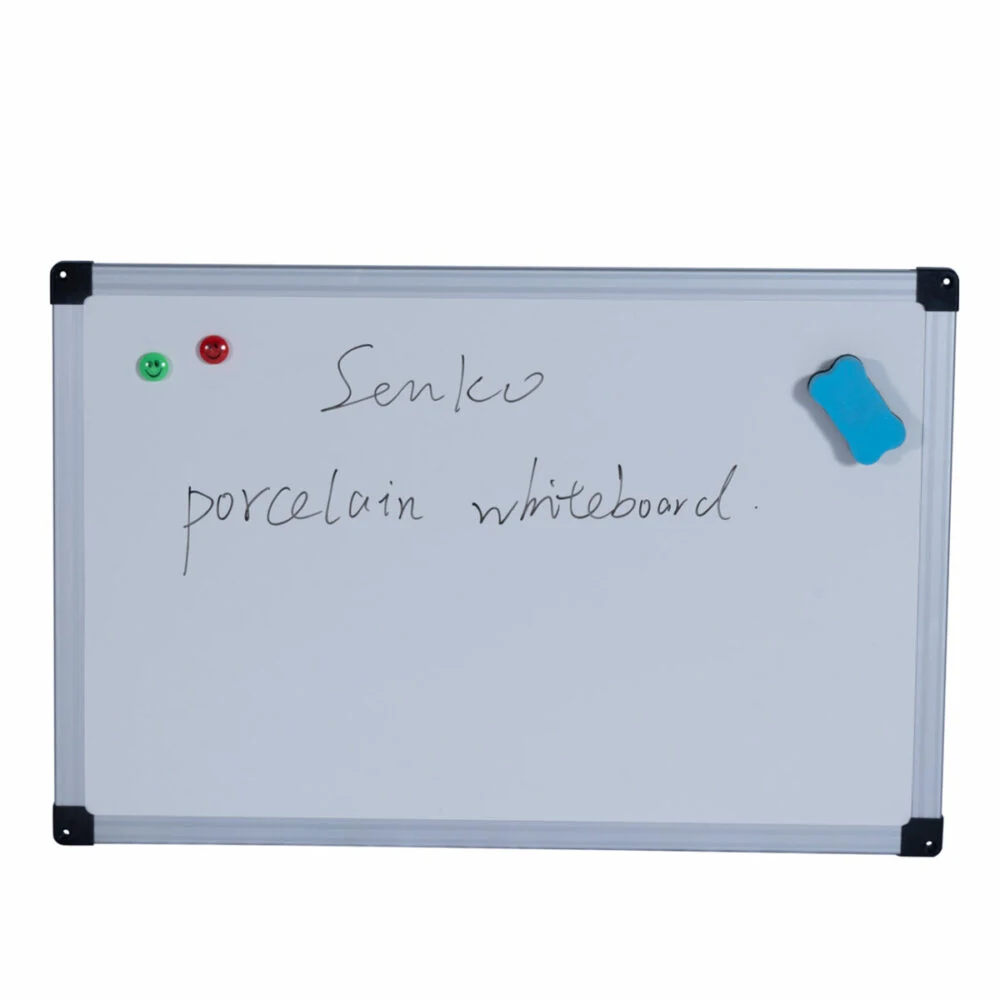
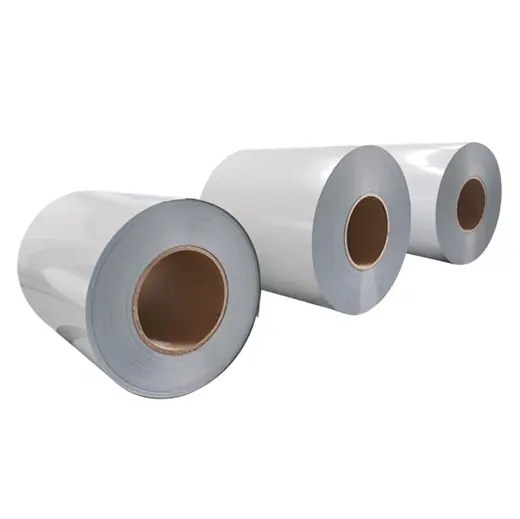
A magnetic whiteboard is built on painted steel. The paint provides the writing surface and the steel underneath holds the magnets. A non magnetic whiteboard uses a melamine MDF writing sheet, which writes the same way but has no steel in the writing layer.
What You Give Up
Melamine gives up two things: magnets and durability. It writes well when new but wears faster under constant use, so it belongs in rooms used occasionally rather than rooms used all day.
What You Save
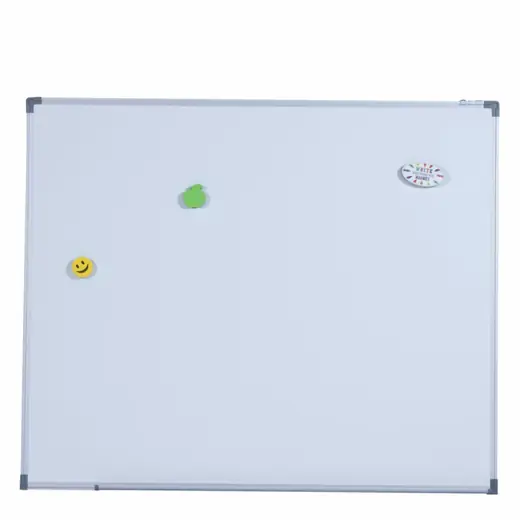
Melamine costs less per square metre of writing area and the panel is lighter, which matters when boards are being hung on light partition walls across a whole floor.
A Sensible Split
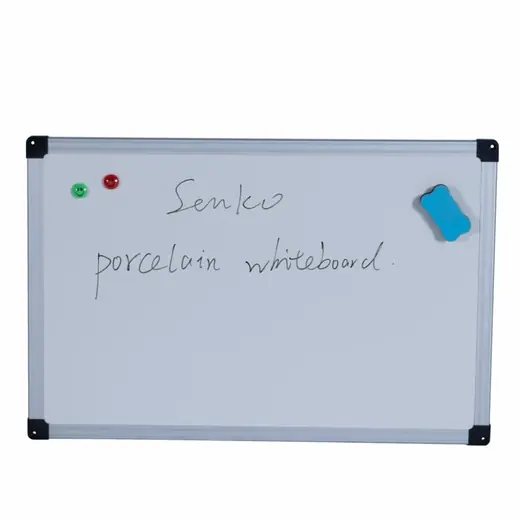
Most buyers fitting out a building do not choose one or the other. They put coated steel boards in meeting rooms and classrooms and melamine boards in general rooms, then order both in the same shipment with matching aluminium frames.
What The Guide Refers To
Who This Matters To
Questions On This Topic
Can a melamine board be made magnetic?
No. The magnetism has to come from steel in the board build.
Do magnetic boards write differently?
No. The difference is what the board can hold and how long the surface lasts.
Which do children's boards use?
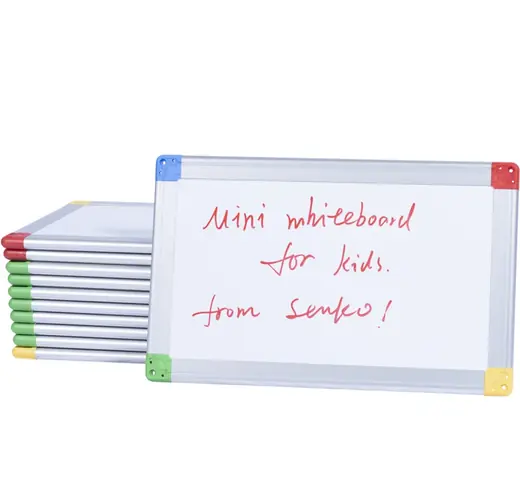
Coated writing steel, because magnetic letters and numbers are most of what a children's board is for.
Apply This To Your Own Order
Send the room, the wall or the coil specification and we will tell you what we would build.