Systems and Devices
IoT Smart DevicesSoftware SystemGPS Location TrackerPet Management SystemIntelligent Goat Enterprise IoT SystemIndustries
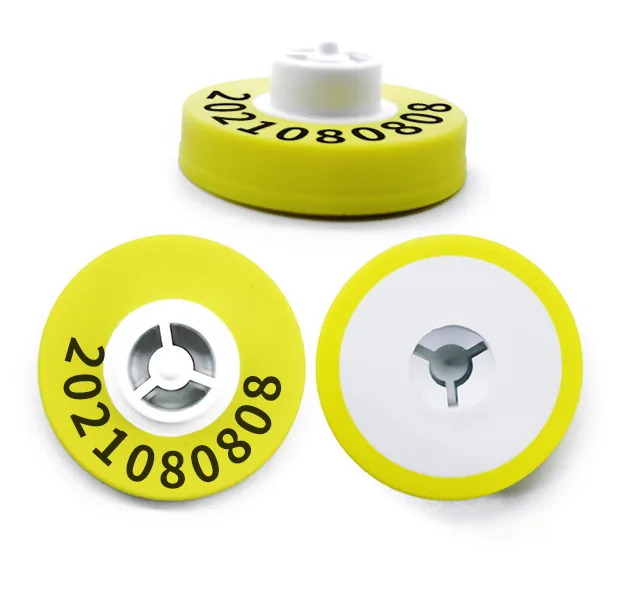
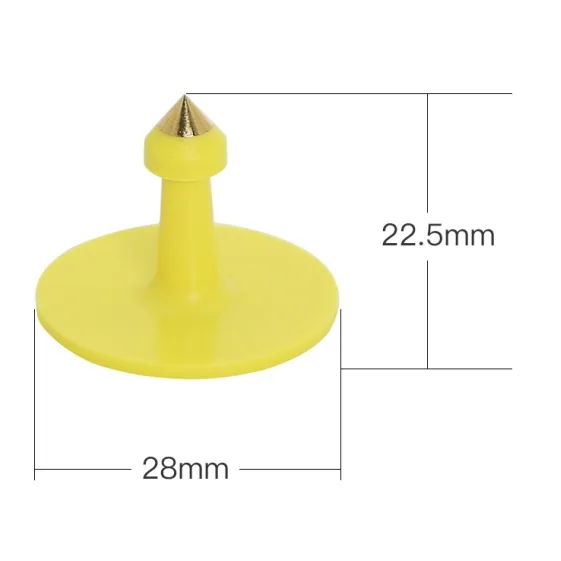
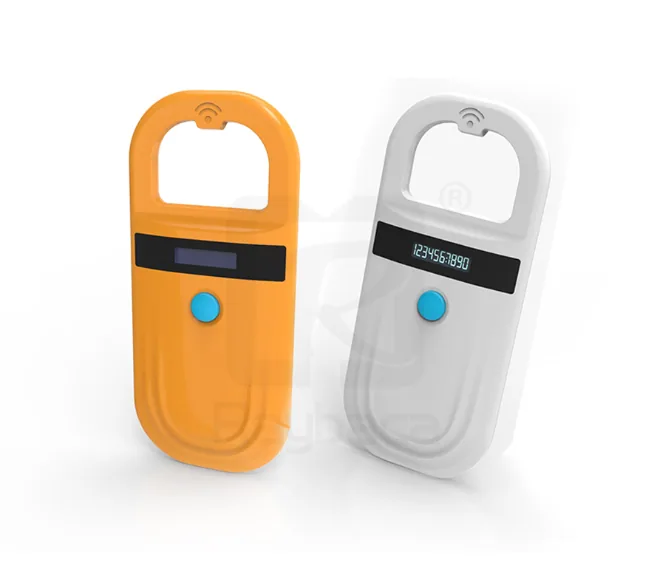
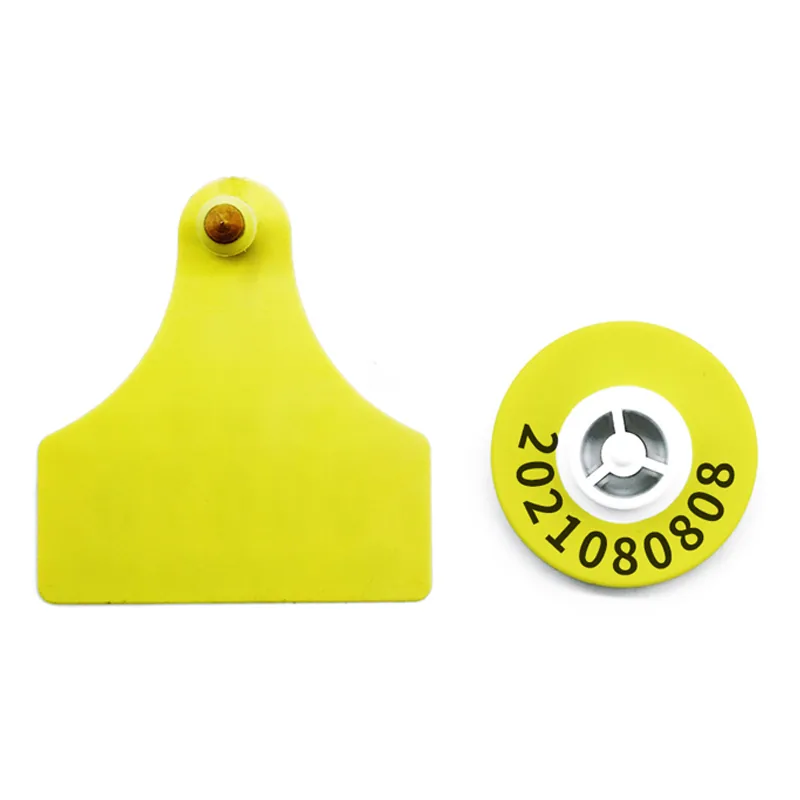
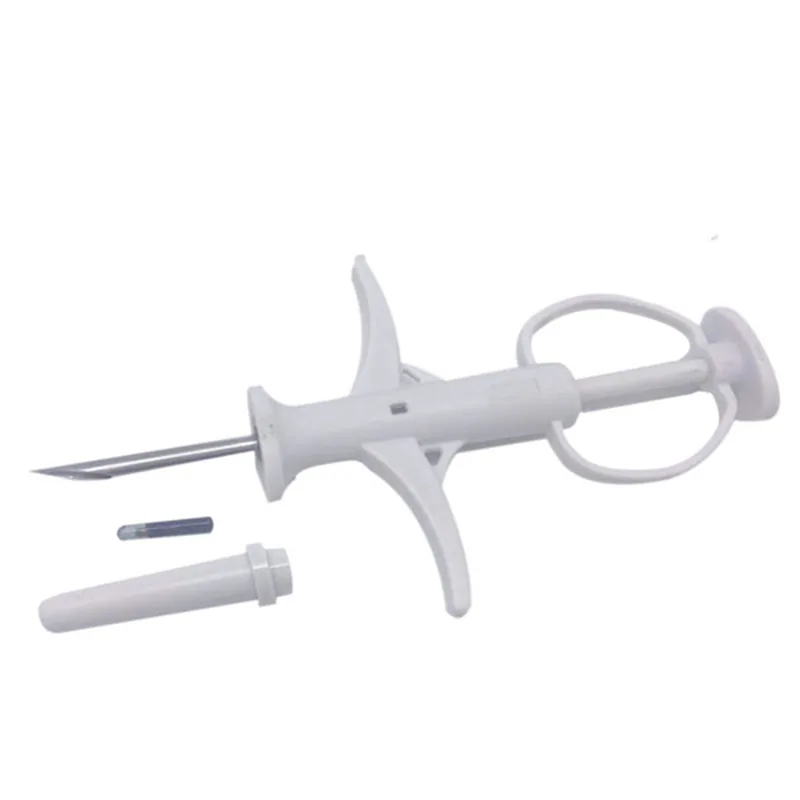
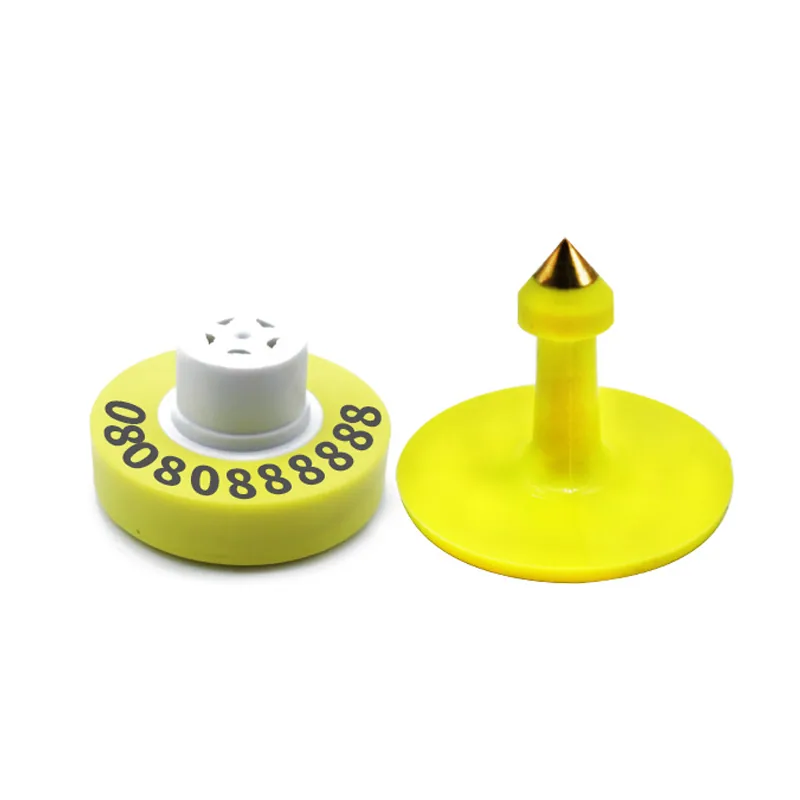
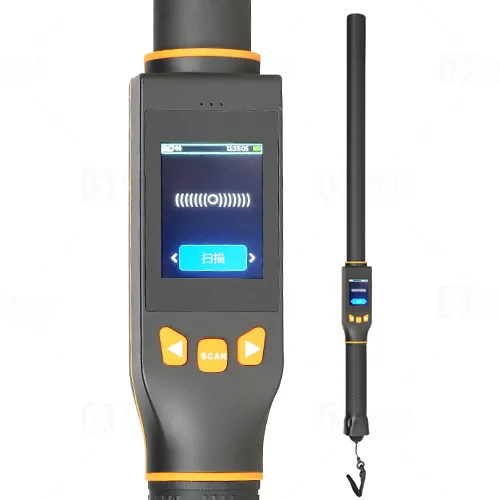
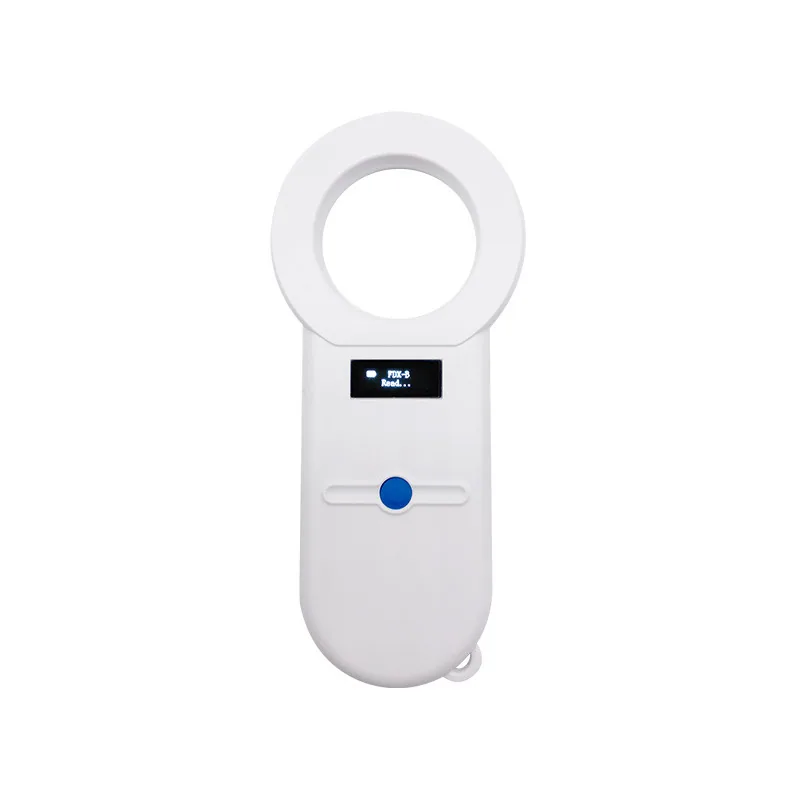
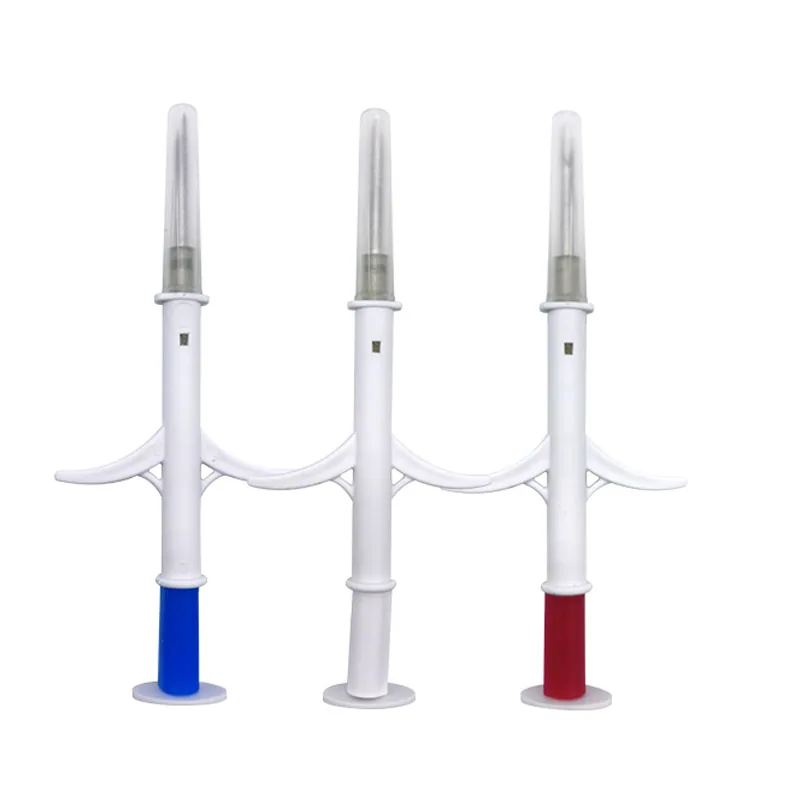
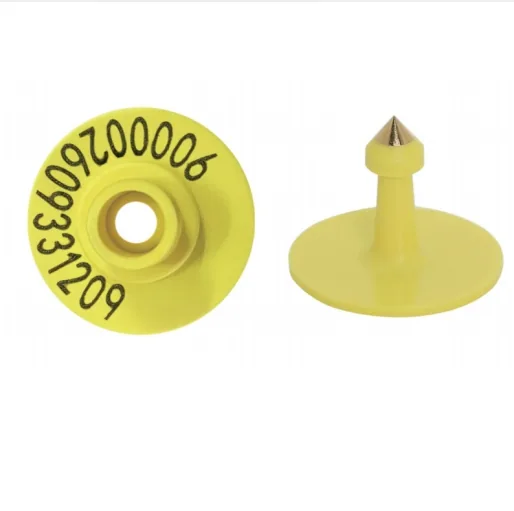
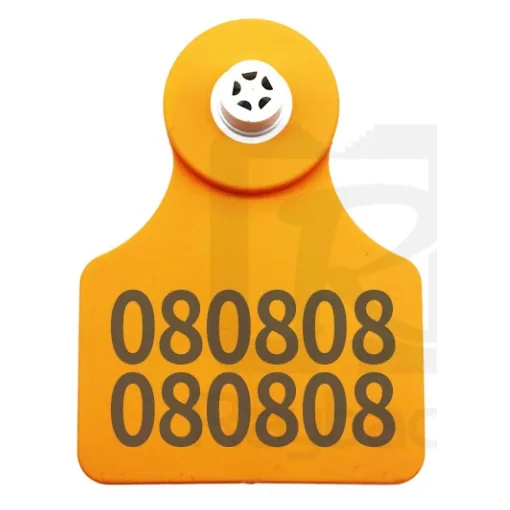
Beef and Dairy Cattle FarmsSheep and Goat FarmingPig ProductionPet Clinics and SheltersGovernment Livestock Traceability ProgrammesAquaculture and Ornamental FishRFID animal identification hardware and the software that reads it: visual, LF, HF and UHF livestock ear tags, implantable pet microchips and pre-loaded syringes, handheld stick mini and fixed RFID readers, Android PDA readers, ear tag applicators, GPS livestock trackers, smart weighing and pedigree devices, and farm and pet management systems.

Cattle, sheep, goat and pig farms; national and provincial livestock traceability programmes; veterinary and vaccination teams; pet clinics and shelters; distributors of animal husbandry equipment; and integrators building farm IoT platforms.
Animals cannot be told apart reliably by eye, and paper records break the link between an animal and what was done to it. Raybaca puts a tamper-resistant unique code on every animal, gives you a reader that captures it in the conditions you actually work in, and lands that code in a record you can audit later.
Every category below is a real range Raybaca builds, not a placeholder. Pick the animal you work with or the frequency you need.

Cattle ear tags read at 134.2 kHz using FDX-B or HDX protocols to ISO 11784 and ISO 11785 standards, so they c
16 products


LF ear tags at 134.2 kHz to ISO 11784 and ISO 11785 for sheep, readable at arm's length with low frequency rea
11 products
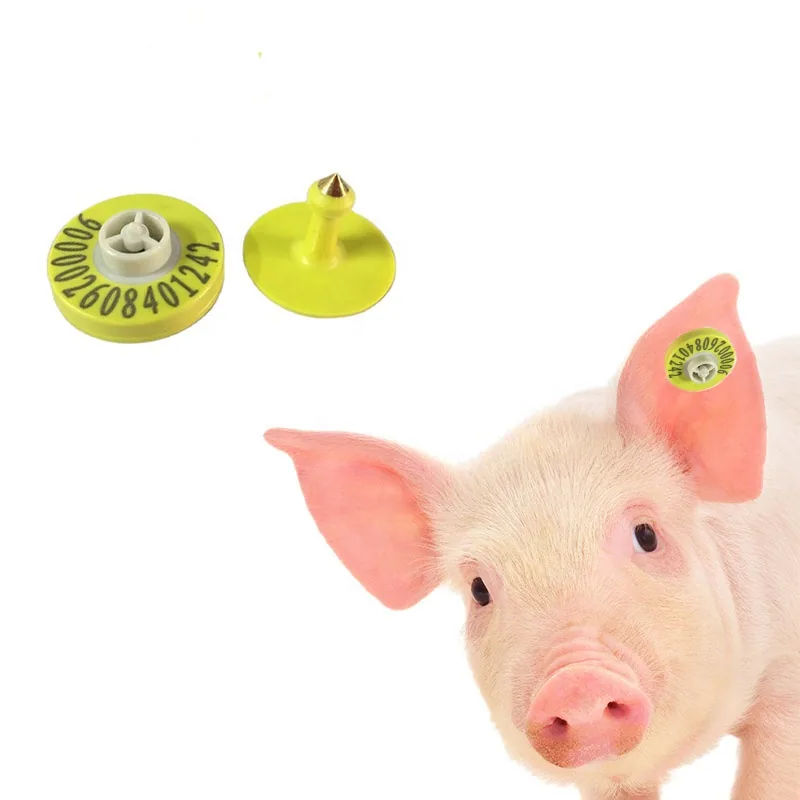
Pig ear tags read at 134.2 kHz using FDX-B or HDX protocols to ISO 11784 and ISO 11785 standards, so each pig
9 products
IOT Smart Devices integrate RFID readers, GPS trackers and farm management software to capture animal identity
8 products
UHF ear tags read at 860-960 MHz under ISO 18000-6C, so animals can be identified from a metre or more away an
7 products
LF ear tags operate at 134.2 kHz and comply with ISO 11784 and ISO 11785, so they deliver a reliable unique ID
5 products


Cattle, sheep, goat and pig farms; national and provincial livestock traceability programmes; veterinary and vaccination teams; pet clinics and shelters; distributors of animal husbandry equipment; and integrators building farm IoT platforms.
Cattle are handled in batches and handled rarely, so every trip through the race has to produce a usable record. Raybaca supplies
See the applicationSheep and goats are tagged in numbers, handled in flocks and moved often, so the cost per tag and the speed of a read matter more
See the applicationPig units run in batches and move animals between houses on a schedule, so identification has to survive biting pen mates and keep
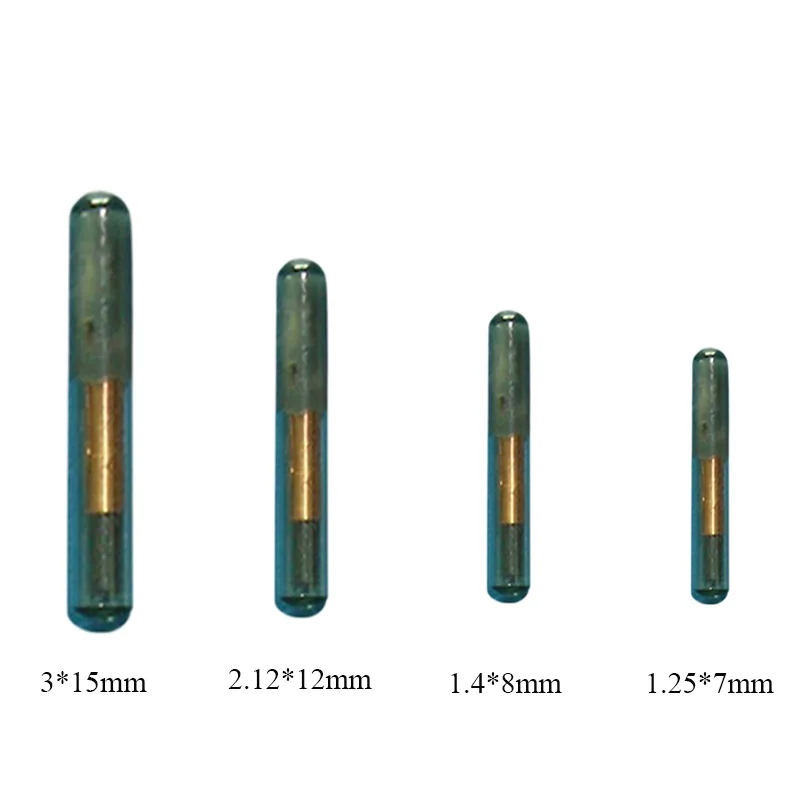
See the applicationA pet that is lost has nothing on it to read except what was implanted. Raybaca supplies the microchips, the pre-loaded syringes a
See the applicationA national or provincial identification scheme lives or dies on whether the tag is certified, the numbering is controlled and the
See the applicationHigh value fish are identified by implanted transponder rather than by anything attached outside, and the reader has to work throu
See the applicationRaybaca has manufactured RFID products under its own brand since 2009 and develops the system software as well, so tags, applicators, readers and the platform are specified against each other instead of being bought from four suppliers and made to fit.
Tags, applicators, readers and the management platform all come from Raybaca, so frequency, encoding and data format are settled before anything ships instead of after the first read failure.
Ear tag bodies are moulded from TPU sourced from BASF or BAYER, which is what gives the tag the tear strength, cold flexibility and ultraviolet resistance an ear needs to carry it for years.
Machine readability is a production step, not a sampling exercise, and it sits alongside tensile testing, high and low temperature testing and full sample inspection.
ICAR certificates for ear tags, CE certificates for readers, an ISO certificate and High Tech Enterprise recognition, all held by Raybaca IOT Technology.
Raybaca has run its own brand rather than white labelling, which is why the numbering, colour and logo on a tag can be changed to match your programme.
Raybaca develops the animal management, breeding, tracking and pedigree systems itself, including the Android apps that run on the PDA readers in the yard.
A traceability system is only as good as the weakest link between the animal and the database. This is how Raybaca closes each link, from choosing the tag to pr
See how it worksBreeding decisions need an electronic file for every animal, built from events recorded when they happen rather than remembered later. This is the chain Raybaca
See how it worksA permanent identity under the skin is what turns a found animal into a returned pet. Raybaca supplies the chip, the syringe, the scanner and the register behin
See how it worksOnce animals carry a readable identity, the equipment around them can start recording by itself. Raybaca builds the weighing, drinking and inspection devices th
See how it worksTraditional plateau farming was described as sloppy and difficult to supervise. Farmers were dealing with farming technique, disease treatme
Read the caseThe breeding process was managed without information systems, so the enterprise could not see how animals on cooperative farms had been fed
Read the casePedigree and weight data for newborn lambs is the raw material for every later breeding decision, but capturing it means working in pens wit
Read the caseRaybaca holds ICAR certificates for its ear tags and CE certificates for its readers. The documents themselves are shown below.
The standard protocol determines how the tag and reader communicate, and that sets the range, speed and compatibility. ISO 11784 a
Read the articleRFID uses radio waves to read unique IDs stored in tags without touching them. The tag sends its ID back to the reader when trigge
Read the articlePets can go missing even with collars, especially if the collar slips off. A microchip provides a permanent, tamper-resistant ID t
Read the articleNFC operates at 13.56 MHz with a maximum range of 10cm, using short-range radio waves to enable data exchange between devices. It
Read the articleLow frequency tags work at 134.2 kHz and are read at close range, and they hold up well when ears are wet and dirty. UHF tags work at 860-960 MHz, read from around 1 to 5 metres and support group reading, which is what makes automatic capture at a race possible.
Yes. Raybaca holds ICAR certificates for its ear tags, including ICAR Extra ID 900250 and 900264 issued in December 2023, which is the certification most official identification programmes ask to see.
Yes. The tag face is laser printed, so a numbering range, your farm or programme logo and a colour other than the standard yellow can all be set before production.
TPU thermoplastic polyurethane, sourced from BASF or BAYER, which is what gives the tag its waterproofing, tear strength, durability and ultraviolet resistance.
Yes. Raybaca develops its own RFID system software, including animal management, breeding and tracking, pedigree and pet management systems, alongside the Android applications that run on the PDA readers.
If your existing tags follow ISO 11784 and ISO 11785 at low frequency, or ISO 18000-6C in the UHF band, then yes. Tell us the standard your tags follow and we will confirm which reader matches before you order.
Message us on WhatsApp or email [email protected] with the animal, the quantity and where the read has to happen. Those three facts are enough for us to propose a tag, an applicator and a reader.
Those three facts are enough for us to propose a tag, an applicator and a reader. Message us on WhatsApp or send an email and we will come back with a specification.