Requirement Analysis
The problem. Programmes and processors ask for different certifications, numbering and data fields, and the wrong choice is expensive to reverse.
How we solve it. We start from what your programme or buyer requires, then work back to the frequency, tag format and certification that satisfies it.
Tag Selection
The problem. Choosing between visual, LF and UHF after tags are ordered means retagging the herd.
How we solve it. The frequency is decided by where the read happens: arm's length reads go LF, gateway and race reads go UHF, and visual tags cover the cases where a printed number is enough.
Encoding and Marking
The problem. Numbering ranges collide between suppliers and tags arrive without the programme identifiers on them.
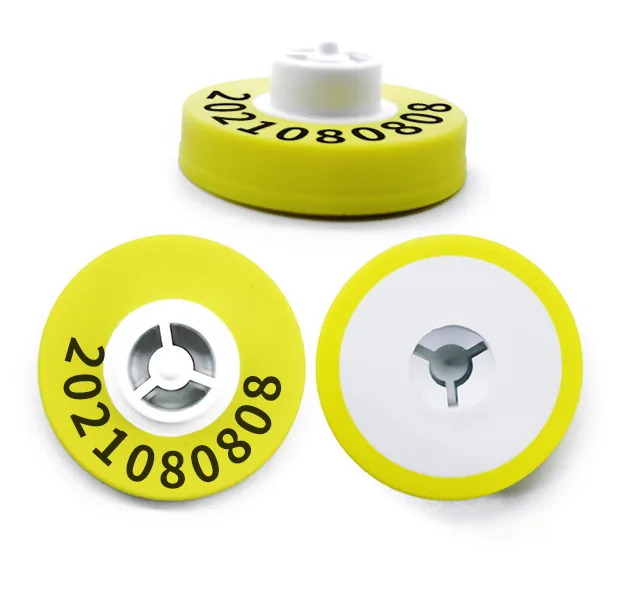
How we solve it. Identification code ranges are encoded before shipment and the matching number, logo and colour are laser printed on the tag face.
Production and Testing
The problem. A tag that fails to read in the field has already cost the labour of applying it.
How we solve it. Machine readability, tensile testing and high and low temperature testing run as production steps, with full sample inspection before release.
Application
The problem. Badly applied tags tear out, and a torn tag is a lost animal record.
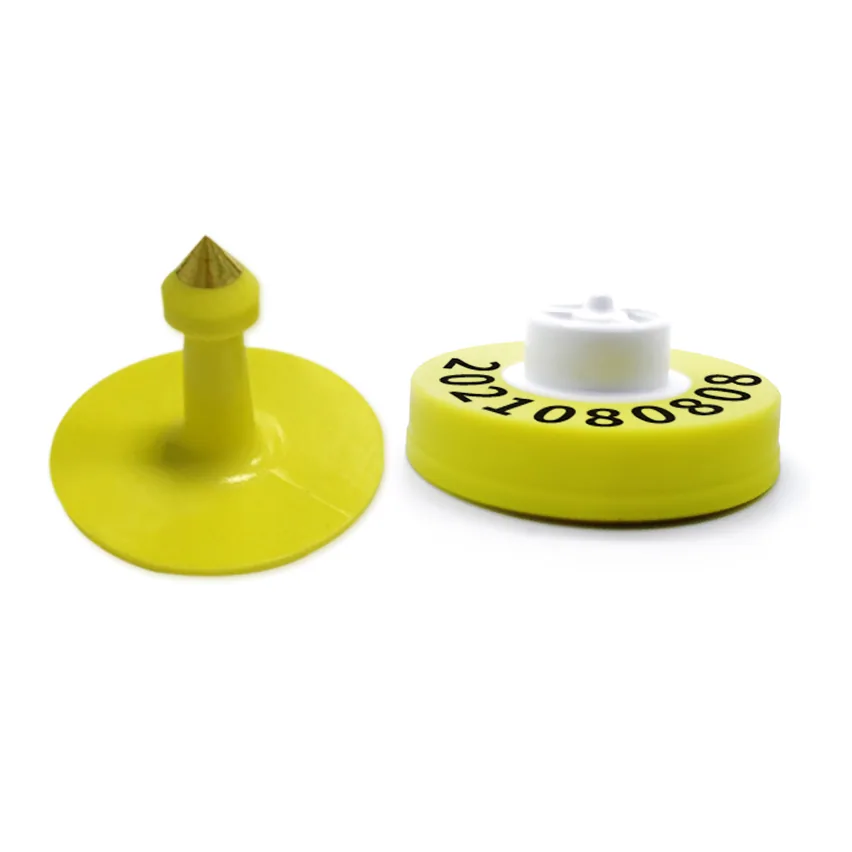
How we solve it. Matching applicators with three step pins and an automatic separation mechanism place the tag cleanly and reduce bleeding and stress.
Capture
The problem. Reads taken in the yard end up on paper because there is no signal where the work happens.
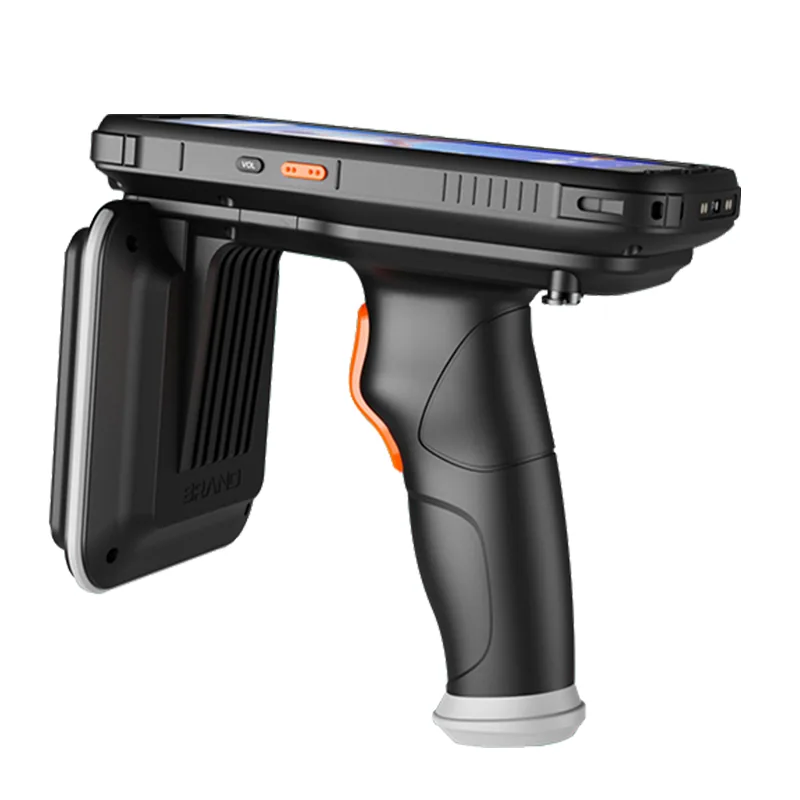
How we solve it. Handheld, stick and Android PDA readers store locally and upload when a connection is available, and fixed readers cover gateways.
Consolidation
The problem. Data sits on devices in three different formats and never becomes a record.
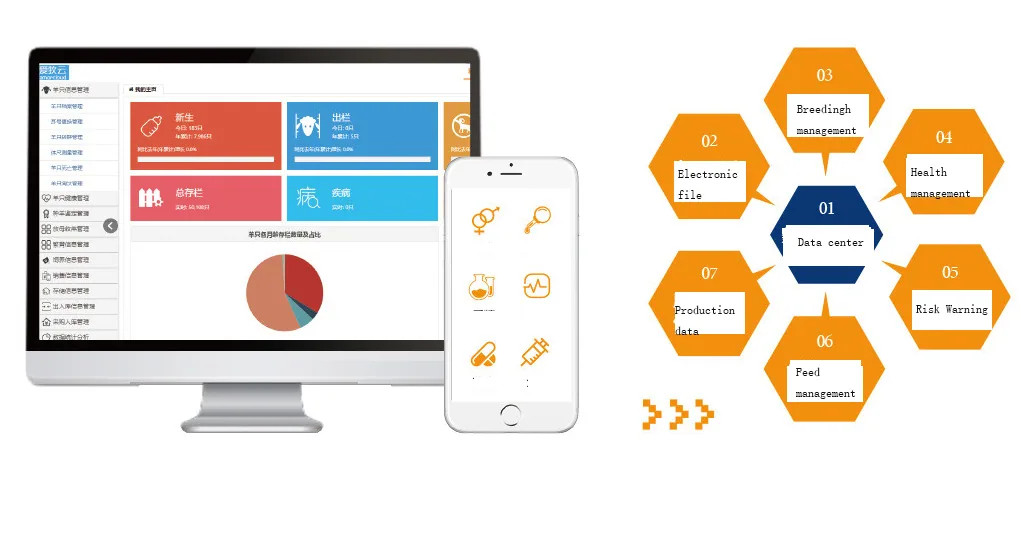
How we solve it. Raybaca develops the management platform itself, so device data lands in one animal record rather than three exports.
Support
The problem. A system nobody was trained on gets abandoned in the first busy week.
How we solve it. Raybaca provides RFID technical support and, as on the Ganzi Xinmai project, training and guidance on both the hardware and the software.