What RFID Actually Does On A Farm
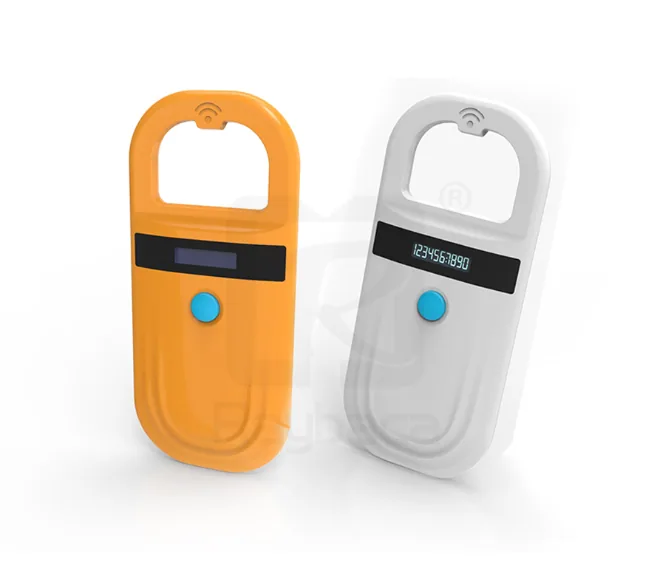
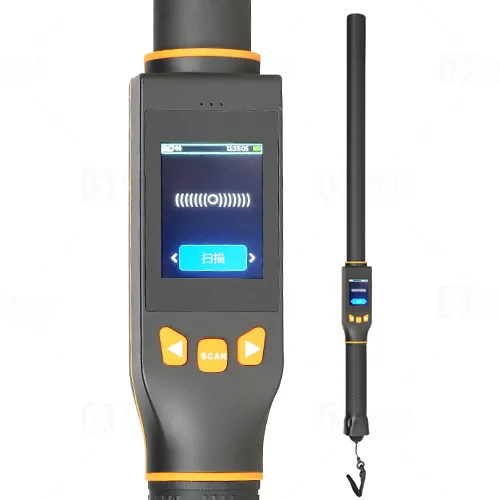
RFID uses radio waves to read unique IDs stored in tags without touching them. The tag sends its ID back to the reader when triggered by radio energy. This allows automatic identification of animals during handling, movement, or monitoring without manual entry.
How Tags Work Without Batteries
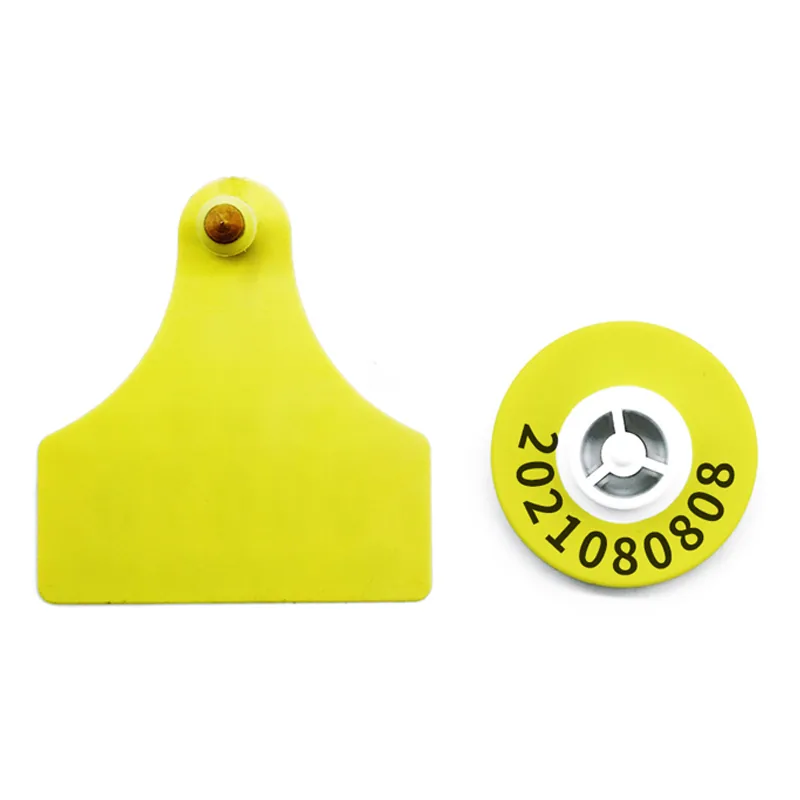
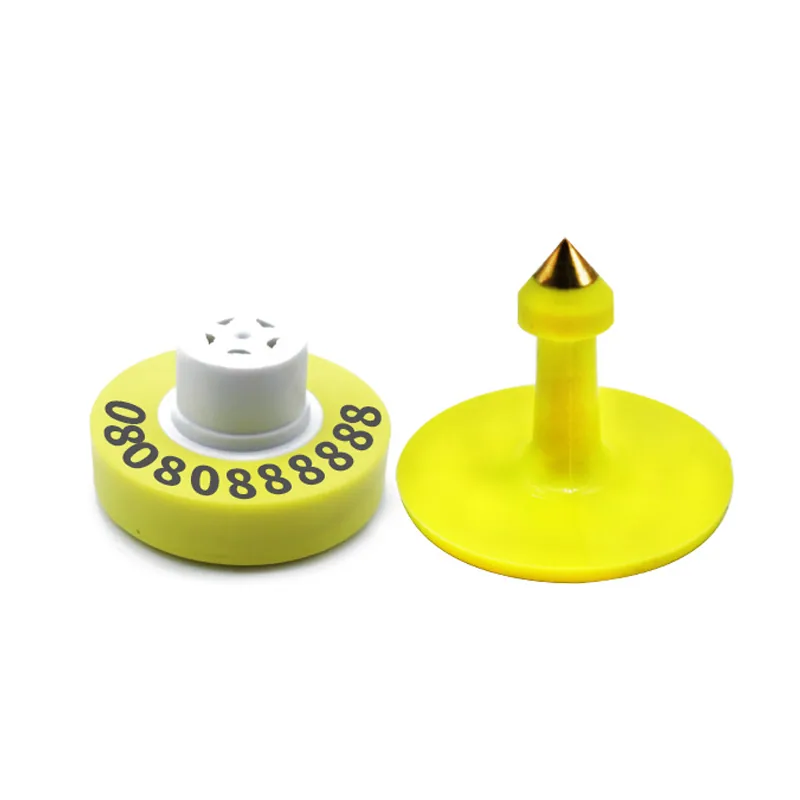
Raybaca produces passive RFID tags. They have no battery. Instead, they draw power from the radio signal sent by the reader. This makes them smaller, cheaper, and more durable for long-term use on livestock.
Why Passive Tags Are Used For Livestock
Passive tags are ideal for animal identification because they last years without maintenance. They survive outdoor exposure, repeated handling, and harsh farm conditions. The lack of a battery means no failure due to power loss.
How Tags Are Read At Different Distances
Low frequency tags at 134.2 kHz are read at close range, typically within 10 cm. Ultra high frequency tags at 860-960 MHz can be read from 1 to 5 metres. The distance depends on the tag type, reader power, and environmental interference.
What Happens When A Tag Is Read
When a reader sends a signal, the tag responds with its unique ID. That ID is sent to a system or database. This allows tracking of animal movement, health records, breeding history, or vaccination status in real time.