[email protected] Manufacturing RFID animal identification since 2009
Knowledge Guide

Why is microchipping your pet so important

Published 2024-01-17Raybaca IOT Technology

Why Microchipping Your Pet Matters

Pets can go missing even with collars, especially if the collar slips off. A microchip provides a permanent, tamper-resistant ID that stays with the animal for life, offering a reliable backup when visual identification fails.

How Microchips Work

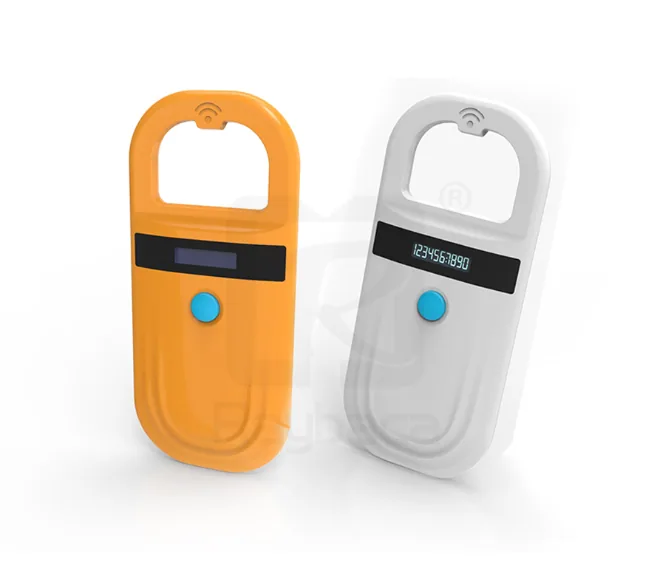
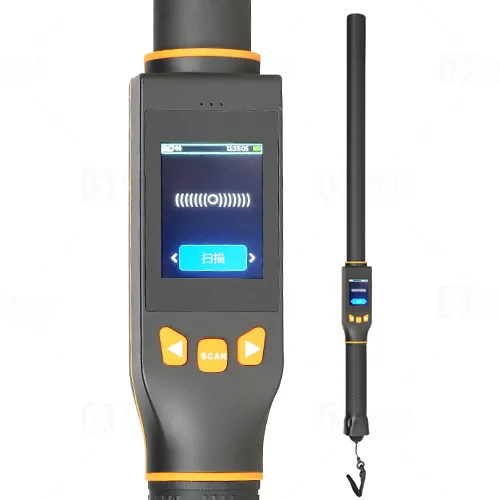
A microchip is a small transponder, about the size of a grain of rice, implanted under the skin. It contains a unique identification number that is read by a handheld RFID scanner at 134.2 kHz, matching the ISO 11784 and ISO 11785 standards.

Microchips Are Not GPS Trackers

A microchip does not provide real-time location data. It only holds a unique ID number. The chip is only read when scanned by a compatible reader, typically at a vet clinic, shelter, or animal control facility.

Registration Is Required For The ID To Work

The microchip number alone is not enough. It must be registered in a national or regional database with the owner’s contact details. Without registration, the chip cannot link back to the owner.

Microchipping Increases Return Rates

Studies show that microchipped pets are significantly more likely to be returned to their owners than those without. The presence of a registered microchip is a critical factor in reuniting lost pets with their families.
Product Ranges Mentioned Here

Related Products

Questions on This Topic

Can a microchip track my pet in real time

No. A microchip is not a GPS tracker. It only stores a unique ID number and must be scanned to be read. It does not provide location data.

How is a microchip implanted

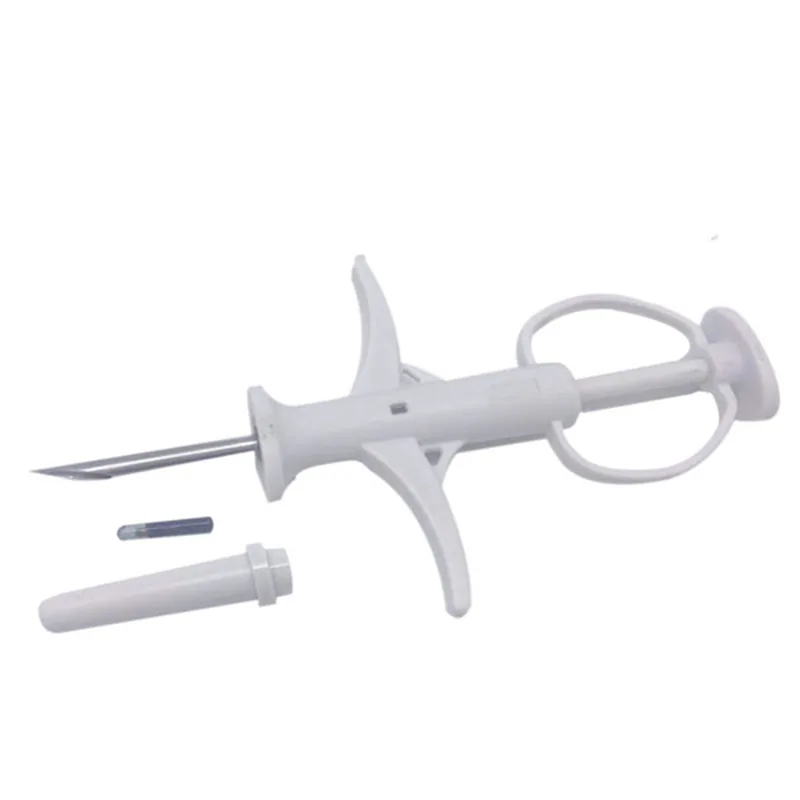
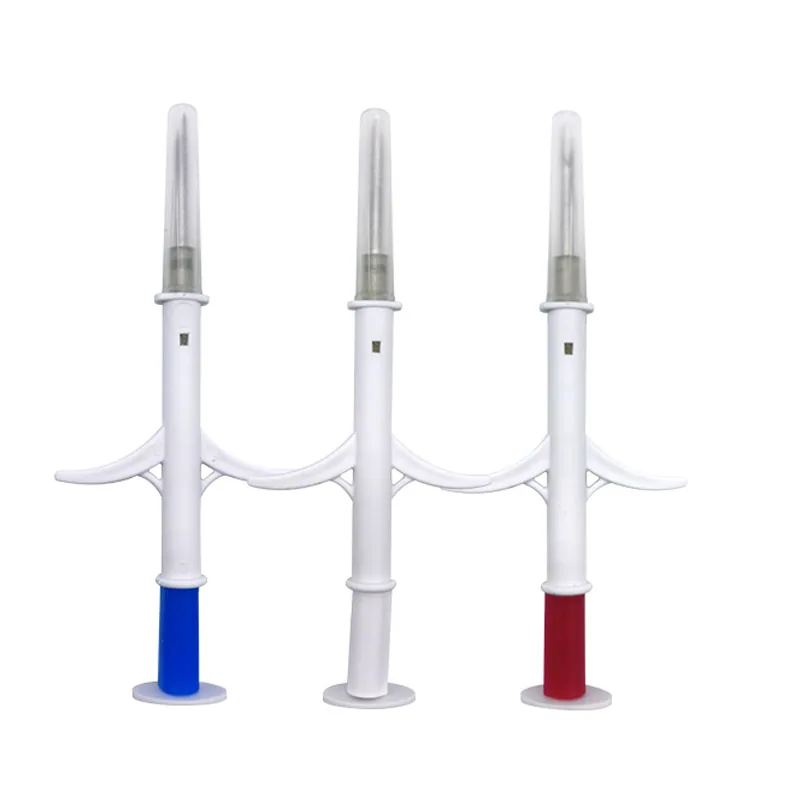
A microchip is injected under the skin using a pre-loaded syringe, typically between the shoulder blades. The procedure is quick, minimally invasive, and causes no lasting discomfort.

Is the microchip safe for my pet

Yes. The microchip is biocompatible and coated with an anti-dissociation substance to prevent migration. It is designed to remain in place for the animal’s lifetime.

Do I need to register the microchip

Yes. The microchip number must be registered in a database with the owner’s contact information. Without registration, the chip cannot be used to identify the owner.

Can any scanner read my pet’s microchip

Most standard 134.2 kHz RFID readers can read ISO 11784/11785 compliant microchips. However, some older or non-compliant readers may not detect all chip types.

Put This Into Practice on Your Own Operation

Send us the animal, the quantity and where the read has to happen, and we will recommend the tag and reader that match what you just read.