What Protocol Actually Defines The Read
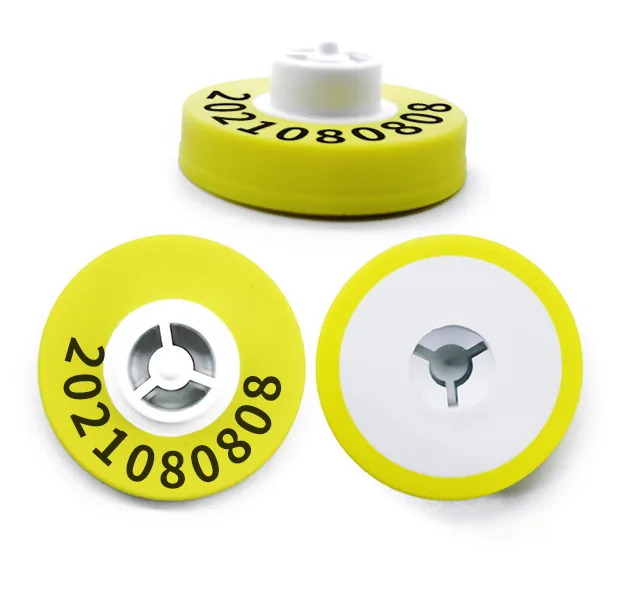
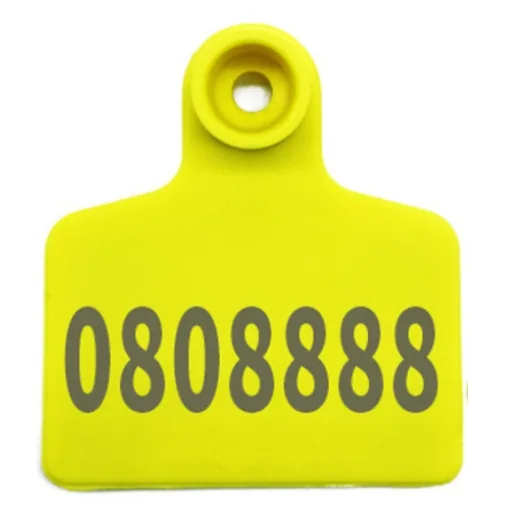
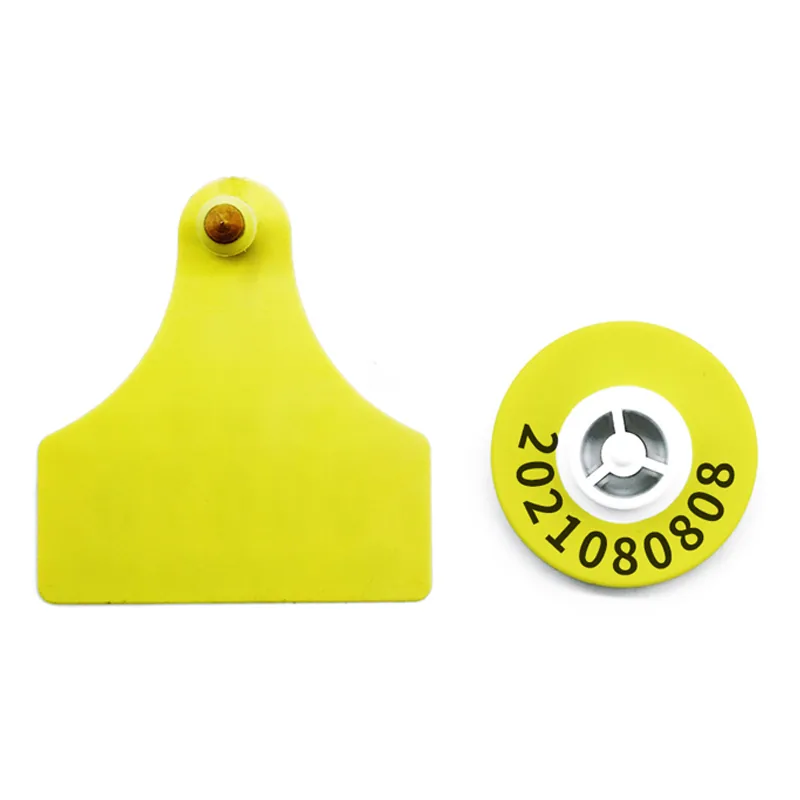
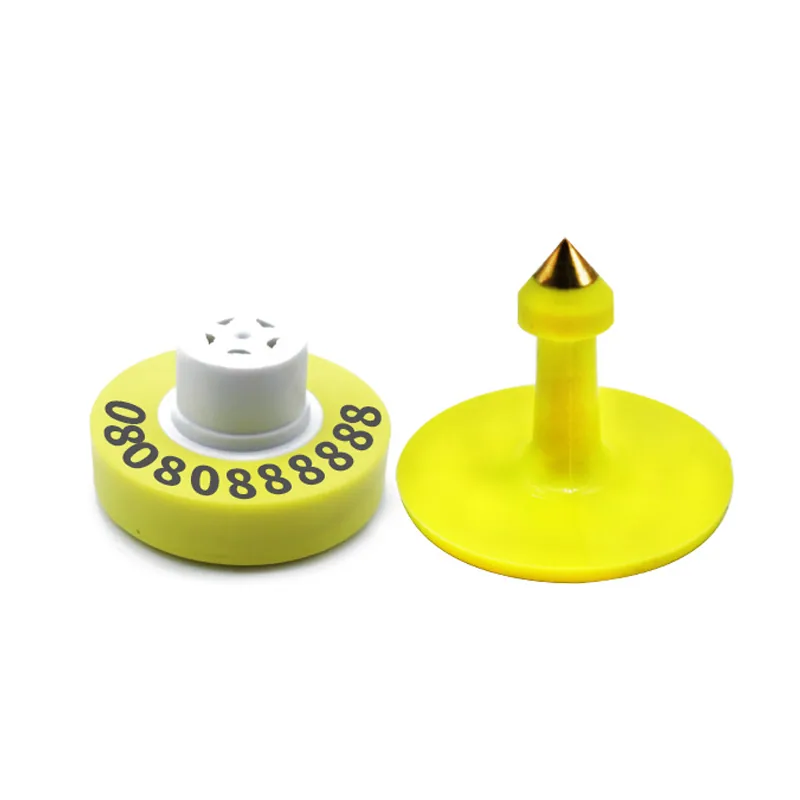
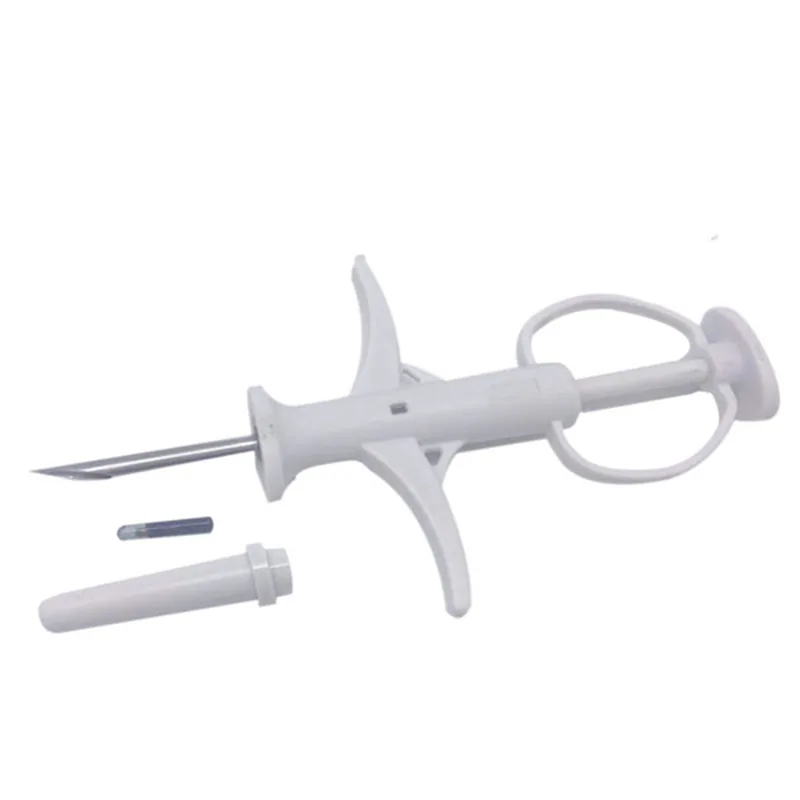
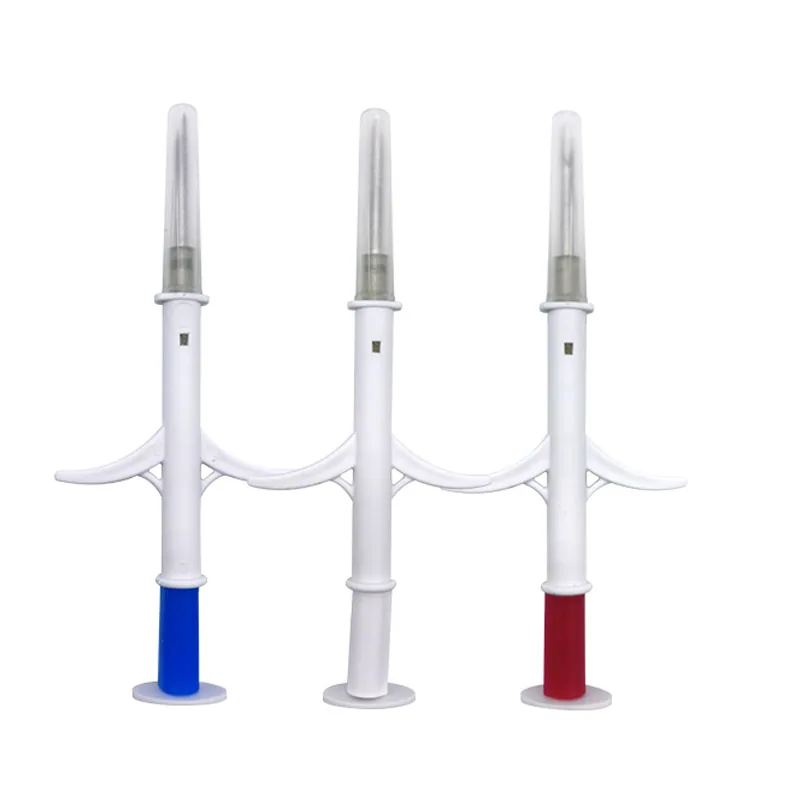
The standard protocol determines how the tag and reader communicate, and that sets the range, speed and compatibility. ISO 11784 and ISO 11785 define low frequency operation at 134.2 kHz for animal ear tags and implantable microchips, with a focus on reliable signal penetration through wet or thick tissue.
Why ISO 11784 11785 Is Used For Livestock And Pets
This standard ensures every tag has a unique 15-digit ID, formatted to be read by any compliant reader. It supports two data formats: FDX-B and HDX, both of which are widely adopted in national traceability systems and veterinary clinics.
Where ISO 18000 6C Applies
ISO 18000-6C operates in the 860-960 MHz band and is designed for UHF ear tags. It enables group reading and long-range capture, making it suitable for automatic gates, loading ramps and inventory checks without handling each animal.
Why HF Protocols Like ISO 15693 Are Not Used
ISO 15693 and ISO 14443A run at 13.56 MHz, which is high frequency. They are not used for animal identification because their short range and poor performance through animal tissue make them impractical for field use.
How To Match Tag And Reader By Protocol
A reader only works with the protocol it was built for. A low frequency reader for ISO 11784/11785 will not read a UHF tag under ISO 18000-6C. Always confirm the standard before pairing tags and readers.