
What is Carrier Frequency in Variable Frequency Drives and How to Set It?
Variable Frequency Drives (VFDs) are widely used in industrial and commercial applications to control the speed and torque of AC motors. One of the important parameters in VFD operation is...
Inverter Knowledge · Published 2025-09-13
Variable Frequency Drives (VFDs) are widely used in industrial and commercial applications to control the speed and torque of AC motors. One of the important parameters in VFD operation is the carrier frequency, which plays a critical role in the performance, efficiency, and reliability of the drive and the motor. This article will explain what carrier frequency is, its significance in VFDs, and how to set it properly for optimal operation.
-
Understanding Carrier Frequency
Carrier frequency, sometimes referred to as switching frequency, is the rate at which the VFD’s power electronic devices (such as IGBTs or MOSFETs) switch on and off during Pulse Width Modulation (PWM) to generate the desired output waveform for the motor. In PWM control, the VFD does not produce a pure sine wave output; instead, it rapidly switches the DC voltage on and off at a high frequency, creating a series of pulses that approximate a sine wave.
The carrier frequency is measured in Hertz (Hz), typically ranging from 2 kHz to 20 kHz or even higher, depending on the drive design and application requirements.
-
The Role of Carrier Frequency in VFDs
The carrier frequency has several important effects on VFD performance and the motor:
– Motor Noise:
A higher carrier frequency produces a smoother output waveform, reducing the audible noise generated by the motor. Lower carrier frequencies may result in a “whining” or “buzzing” sound during operation.
– Motor Heating:
Higher carrier frequencies can increase losses in the motor windings due to additional switching and harmonic effects, leading to increased motor heating. This is especially important for older motors or those not designed for inverter duty.
– Electromagnetic Interference (EMI):
Higher carrier frequencies generate more high-frequency EMI, which can affect nearby sensitive equipment and communication lines. Proper shielding and grounding are necessary to mitigate these effects.
– Drive and Motor Lifespan:
The switching devices in the VFD (IGBTs/MOSFETs) experience more stress at higher carrier frequencies, potentially reducing their lifespan. Similarly, motors may suffer from increased insulation stress and bearing currents.
-
How to Set Carrier Frequency
Setting the carrier frequency is a critical step during VFD commissioning. The optimal value depends on several factors:
– Motor Type and Design:
Modern inverter-duty motors can tolerate higher carrier frequencies, while older or standard motors may require lower settings to avoid excessive heating and insulation stress.
– Application Requirements:
If low noise is a priority (such as in HVAC, elevators, or office environments), a higher carrier frequency may be desirable. For heavy-duty industrial applications where noise is less of a concern, a lower frequency may be more suitable.
– Cable Length:
Long cable runs between the VFD and motor can exacerbate the effects of high carrier frequencies, increasing voltage spikes and EMI. Lower carrier frequencies may help reduce these issues.
– Ambient Temperature and Cooling:
In environments with limited cooling or high ambient temperatures, lower carrier frequencies can help minimize additional motor heating.
-
Typical Carrier Frequency Settings
Most VFDs allow users to set the carrier frequency via the drive’s programming interface, either through a keypad, software, or remote control system. The default setting is often around 4 kHz to 8 kHz, but can be adjusted as needed.
– For quiet operation: 8 kHz to 16 kHz
– For standard industrial use: 2 kHz to 8 kHz
– For older motors or long cables: 2 kHz to 4 kHz
Always consult the motor manufacturer’s recommendations and the VFD manual before changing the carrier frequency.
-
Practical Tips for Carrier Frequency Setting
– Start with the manufacturer’s default or recommended setting.
– If excessive noise is observed, gradually increase the carrier frequency, monitoring motor temperature and drive performance.
– If the motor or drive overheats, reduce the carrier frequency.
– For long cable runs, consider using output filters in addition to adjusting the carrier frequency.
– Document any changes and monitor system performance over time.
Carrier frequency is a key parameter in the operation of variable frequency drives, affecting motor noise, heating, EMI, and overall system reliability. By understanding its role and carefully setting the value based on application needs and equipment specifications, users can optimize the performance and lifespan of both the VFD and the motor. Always refer to manufacturer guidelines and consult with experts when in doubt, ensuring safe and efficient operation of your motor-driven systems.
Drives That Apply Here
KV600 Series High Performance Vector Inverter
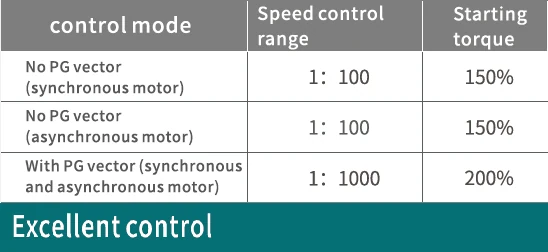
The heavy-load drive in the KEVAN range - closed-loop vector control, expansion cards and torque at near-zero speed for wire drawing, hoists and extruders.
View Specifications →KV100 Series Economic Frequency Inverter
A cost-controlled general-purpose drive for lathe spindles, fans, pumps and conveyor lines, built to hold full output in a 50 C cabinet.
View Specifications →Related Cases
Related Articles
- Choosing Solar Water Pump Inverters for Sustainable Land Management
- The Application of Solar Water Pump Inverters in Automated Irrigation District Management Part Two
- The Application of Solar Water Pump Inverters in Automated Irrigation District Management
- System Integration and Compatibility Considerations for Solar Photovoltaic Power Inverters
Questions About This Topic
Which KEVAN series applies to what this article describes?
How do I pick the right rating for my motor?
Can I test one unit before committing to a batch?
Is the product documentation available?
How much starting torque does the KV600 deliver?
What speed control range is achievable?
Turn This Into a Model Number
Send your motor details and we will recommend the series and rating that fits.