
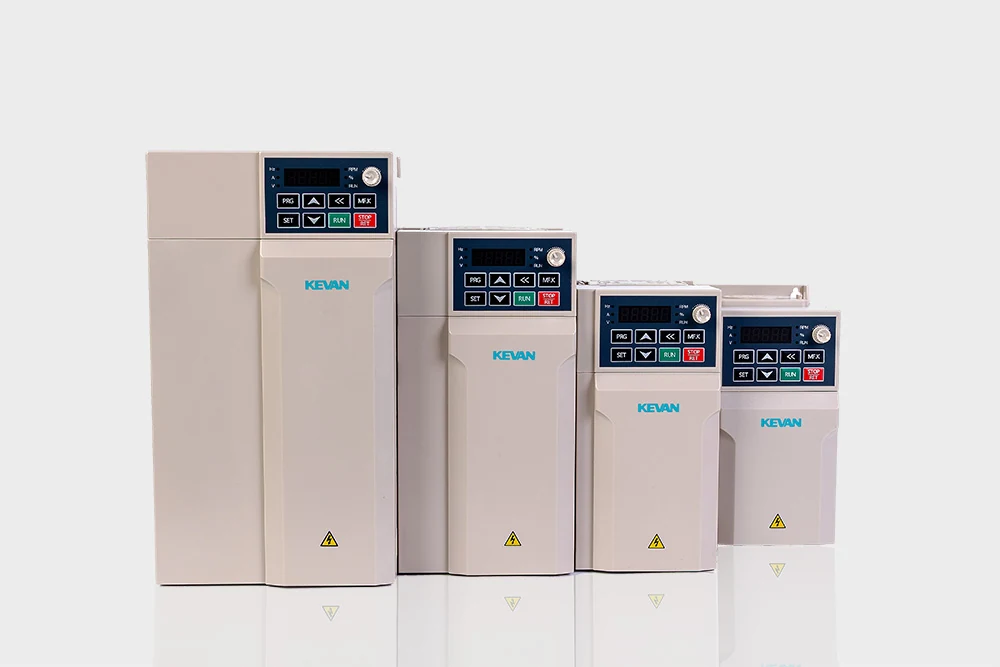
What Is a Frequency Converter and How Does It Work?
A frequency converter, often referred to as a variable frequency drive (VFD) or simply a frequency inverter, is an advanced electronic device designed to regulate the speed and torque of...
Inverter Knowledge · Published 2025-07-01
A frequency converter, often referred to as a variable frequency drive (VFD) or simply a frequency inverter, is an advanced electronic device designed to regulate the speed and torque of electric motors by adjusting the frequency and voltage of the electrical power supplied to the motor. This technology plays a pivotal role in industrial automation, energy efficiency, and performance optimization, making it indispensable in applications such as pumps, fans, conveyor systems, HVAC (heating, ventilation, and air conditioning), and more.
The Fundamentals of Frequency Conversion
Electric motors, particularly alternating current (AC) motors, operate on the principle that their rotational speed (RPM) is directly proportional to the frequency of the electrical power they receive. This relationship can be expressed by the formula:
RPM = (120 × Frequency) ÷ Number of Poles
Where the frequency is measured in Hertz (Hz), and the number of poles refers to the motor’s physical configuration. Power grids typically deliver electricity at fixed frequencies—50 Hz in most countries and 60 Hz in others—resulting in a constant motor speed. A frequency converter enables users to override this limitation by modifying the frequency, allowing precise control over motor speed and operational flexibility.
Core Components of a Frequency Converter
A frequency converter is composed of three primary stages, each serving a critical role in the conversion process:
- Rectifier Stage
This initial stage converts incoming AC power into direct current (DC). Using components such as diodes or thyristors, the rectifier stage carries out the AC-to-DC conversion necessary for subsequent processing.
- DC Link (Intermediate Stage)
The DC link stabilizes the converted DC power using capacitors or inductors. Acting as an energy reservoir, this intermediate stage ensures smooth operation and mitigates the impact of power fluctuations caused by dynamic load conditions.
- Inverter Stage
The inverter stage converts the stabilized DC power back into AC. However, unlike the original AC input, the frequency and voltage of the output can be finely adjusted to meet specific operational requirements. Advanced semiconductor devices like Insulated Gate Bipolar Transistors (IGBTs) enable highly precise and efficient control of the output power.
In addition to these core components, frequency converters are equipped with controllers and software that process user inputs, monitor motor performance, and maintain stability in dynamic or complex operating environments.
Operational Mechanism of a Frequency Converter
The functioning of a frequency converter revolves around its ability to modify the frequency and voltage of the AC power supplied to the motor. Here’s an overview of how it operates:
- Input (Rectifier Stage)
AC power from the grid enters the rectifier stage, where it is converted into DC power for more stable and controllable processing.
- DC Stabilization (DC Link)
The DC link smooths and stabilizes the current, storing energy to ensure consistent operation across varying load demands.
- Output (Inverter Stage)
The inverter stage transforms the conditioned DC power back into AC, now with adjustable frequency and voltage parameters. Utilizing techniques like Pulse Width Modulation (PWM), the inverter generates output tailored to the desired speed and torque requirements of the motor.
For example, lowering the frequency supplied to a motor reduces its speed proportionally, while increasing the frequency produces higher speeds. Voltage adjustments are simultaneously applied to optimize motor performance, preventing inefficiencies such as overheating or underperformance.
Applications and Advantages
Frequency converters have established themselves as essential tools across a multitude of industries, offering benefits such as enhanced energy efficiency, extended motor lifespan, and greater operational flexibility. They are particularly vital in systems requiring variable speeds, such as centrifugal pumps, fans, escalators, and compressors. By dynamically matching motor output to load demands, frequency converters drastically reduce energy waste, leading to notable cost savings.
Moreover, frequency converters provide significant mechanical benefits by easing stress during motor operations. For instance, they enable soft starting, where the motor gradually accelerates from zero speed to the desired operational speed, minimizing mechanical wear and prolonging equipment service life.
Conclusion
As a cornerstone of modern motor control and industrial efficiency, frequency converters enable precise adjustments to frequency and voltage, unlocking unmatched versatility, energy savings, and performance optimization across motor-driven systems. In an era increasingly reliant on automation and energy-conscious technology, frequency converters continue to play a critical role in ensuring reliable, sustainable, and highly efficient operations across diverse industries.
Drives That Apply Here
KV600 Series High Performance Vector Inverter
The heavy-load drive in the KEVAN range - closed-loop vector control, expansion cards and torque at near-zero speed for wire drawing, hoists and extruders.
View Specifications →KV100 Series Economic Frequency Inverter
A cost-controlled general-purpose drive for lathe spindles, fans, pumps and conveyor lines, built to hold full output in a 50 C cabinet.
View Specifications →Related Cases
Related Articles
- Choosing Solar Water Pump Inverters for Sustainable Land Management
- The Application of Solar Water Pump Inverters in Automated Irrigation District Management Part Two
- The Application of Solar Water Pump Inverters in Automated Irrigation District Management
- System Integration and Compatibility Considerations for Solar Photovoltaic Power Inverters
Questions About This Topic
Which KEVAN series applies to what this article describes?
How do I pick the right rating for my motor?
Can I test one unit before committing to a batch?
Is the product documentation available?
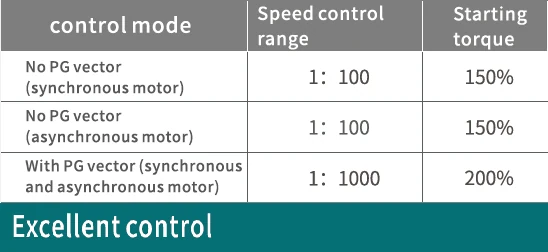
How much starting torque does the KV600 deliver?
What speed control range is achievable?
Turn This Into a Model Number
Send your motor details and we will recommend the series and rating that fits.