
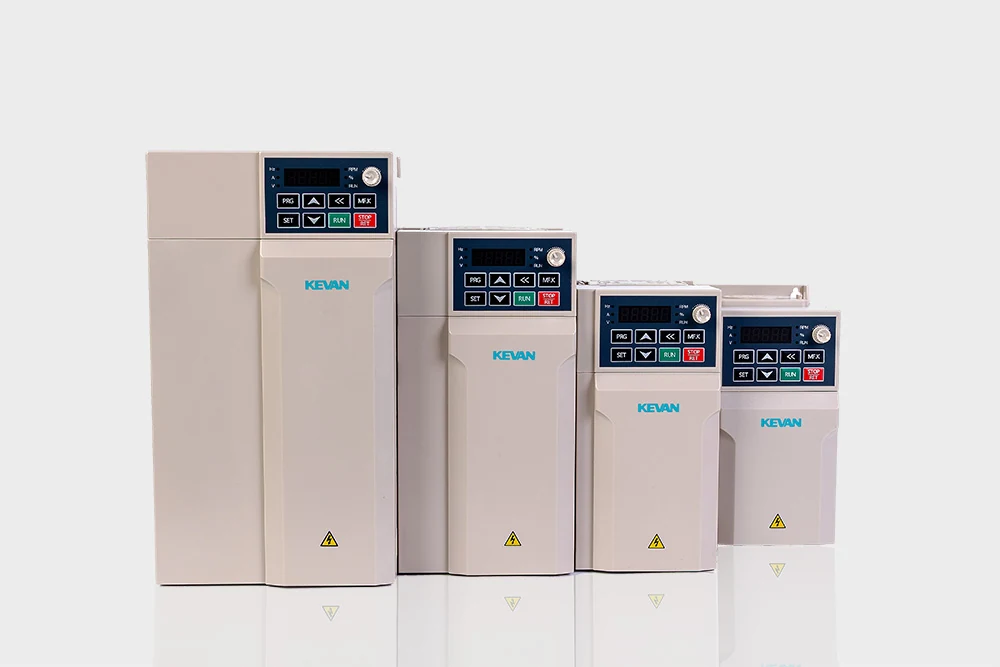
Understanding Price Design in Solar Pump Inverters: Key Factors and Market Considerations
As the world increasingly turns to renewable energy, solar-powered water pumping systems are gaining popularity for their sustainability and cost-effectiveness. At the heart of these...
Inverter Knowledge · Published 2025-12-18
As the world increasingly turns to renewable energy, solar-powered water pumping systems are gaining popularity for their sustainability and cost-effectiveness. At the heart of these systems lies the solar pump inverter, a device that converts the variable DC electricity from solar panels into AC power suitable for driving water pumps. While their technical merits are widely discussed, the price design of solar pump inverters is a critical topic for both manufacturers and end-users. This article explores the main components of solar pump inverter pricing, the factors influencing cost, and the market trends shaping price strategies.
-
Components of Solar Pump Inverter Price
The price of a solar pump inverter is determined by several core elements:
– Core Electronics and Components: The cost of high-quality power electronic components (such as IGBTs, MOSFETs, and control chips) directly impacts the overall price. Advanced inverters may also include MPPT (Maximum Power Point Tracking) controllers, which add to the cost but provide significant energy efficiency gains.
– Enclosure and Protection: Inverters designed for outdoor use require robust, weatherproof enclosures with high IP ratings. The choice of materials and the complexity of the enclosure design influence the final price.
– Software and Control Algorithms: The integration of advanced software, such as intelligent control algorithms, remote monitoring capabilities, and user-friendly interfaces, adds value and cost.
– Certification and Compliance: Products certified for international markets (CE, UL, etc.) or specific industries may have higher prices due to testing and compliance costs.
– After-sales Service and Warranty: Comprehensive support, longer warranty periods, and accessible technical assistance are factored into the price, reflecting the manufacturer’s commitment to quality and customer satisfaction.
-
Factors Influencing Price Design
Several factors play a role in the price design of solar pump inverters:
– Power Rating and Capacity: Inverters are available in a range of power outputs, typically from a few hundred watts to tens of kilowatts. Higher-capacity inverters cost more due to the need for larger components and more robust cooling systems.
– Functionality and Features: Basic models may offer standard frequency and voltage conversion, while premium models include MPPT, soft start, dry-run protection, remote monitoring, and integration with smart agriculture platforms. Each added feature increases the cost.
– Production Scale and Supply Chain: Large-scale production and efficient supply chains can reduce unit costs. Conversely, inverters produced in small batches or with specialized components may be more expensive.
– Market Positioning: Some brands position their inverters as high-end solutions, emphasizing reliability, advanced features, and extended warranties, while others compete on price for cost-sensitive markets.
– Technological Advances: As technology evolves, the introduction of new control methods, more efficient components, and improved manufacturing processes can reduce costs over time, making advanced inverters more affordable.
-
Market Trends and Regional Price Differences
– Developing Markets: In regions such as Africa, South Asia, and parts of Latin America, price sensitivity is high, and demand is driven by agricultural and rural water supply applications. Manufacturers often offer simplified models with essential features to keep prices competitive.
– Developed Markets: In Europe, North America, and East Asia, there is greater demand for advanced features, integration with smart grids, and compliance with strict standards, resulting in higher average prices.
– Government Incentives: Subsidies, tax breaks, and grants for renewable energy projects can affect the end price for consumers, making higher-specification inverters more accessible.
-
Balancing Cost and Value
For end-users, the lowest-priced inverter is not always the best choice. Factors such as energy efficiency, reliability, ease of installation, and after-sales support should be considered. A slightly higher upfront investment in a high-quality inverter often results in lower lifetime costs due to improved performance and reduced maintenance.
Manufacturers, on the other hand, must balance the need to remain competitive with the imperative to deliver reliable, compliant, and innovative products. Transparent pricing, clear feature differentiation, and flexible customization options are key strategies for success.
The price design of solar pump inverters is a complex interplay of technology, market demand, and value-added services. By understanding the factors that shape pricing, both buyers and sellers can make informed decisions that maximize performance, sustainability, and economic returns. As the solar water pumping market continues to expand, ongoing innovation and economies of scale are expected to make these vital devices even more accessible and affordable worldwide.
Drives That Apply Here
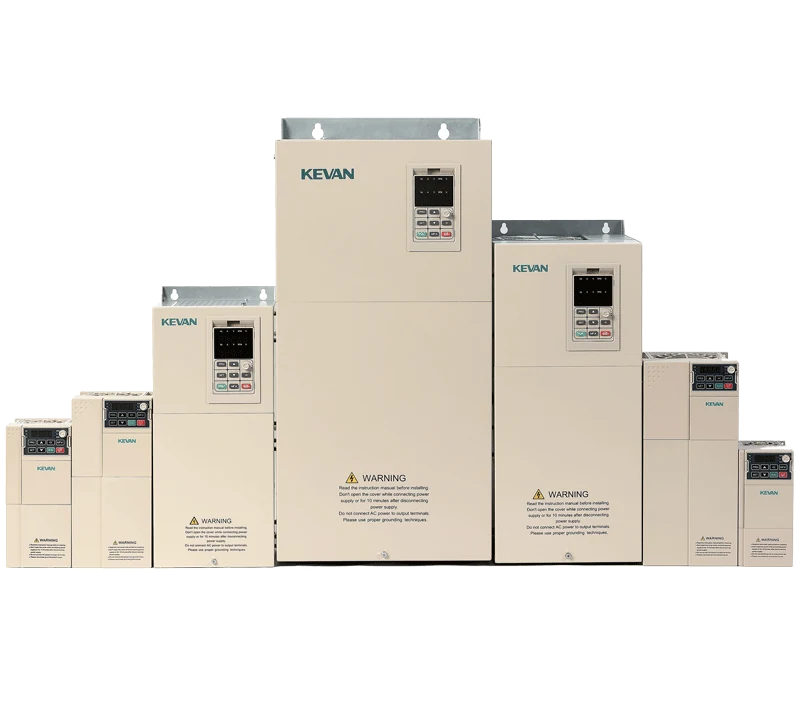
SV20 Series Solar Pump Inverter
The full-feature KEVAN solar pumping platform: grid-adaptive, light-sensing, app-controlled and able to swap between DC and AC in under 10 milliseconds.
View Specifications →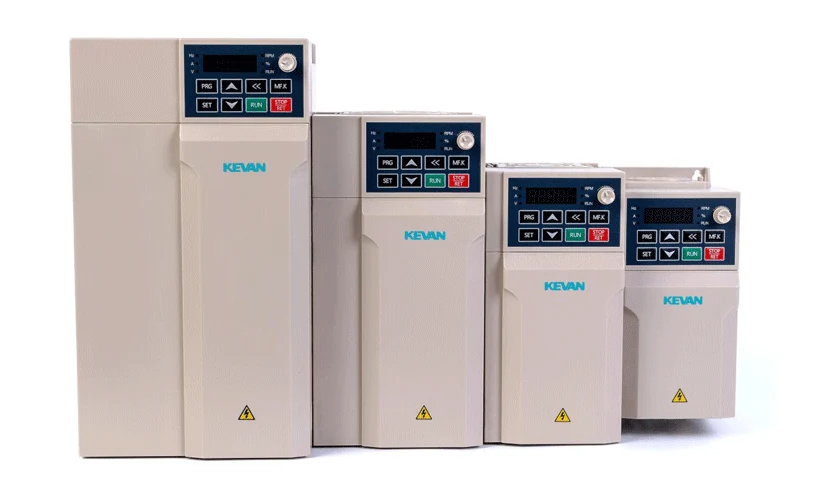
SV13 Series Photovoltaic Water Pump Inverter
A narrow book-style solar pump drive covering almost every small and mid-size pump voltage, with app monitoring and grid backup built in.
View Specifications →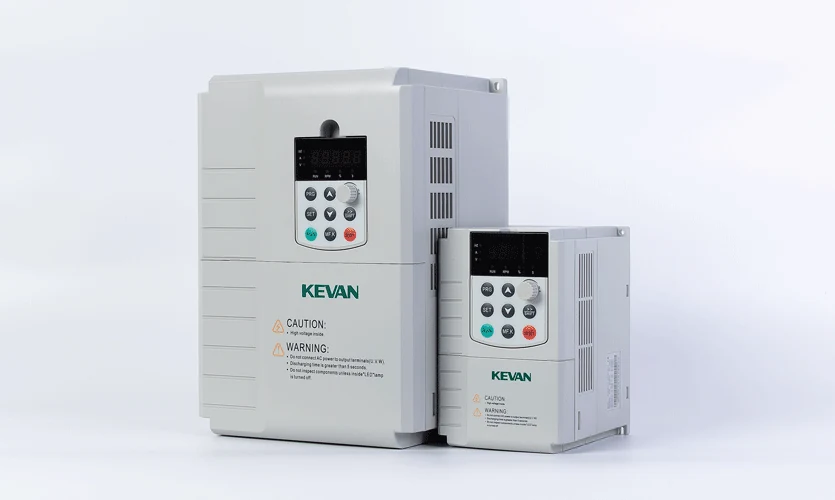
KV500 Series Solar Pump Inverter
Runs a three-phase 380V pump or machine from a single-phase 220V supply or straight from PV panels, with no phase converter in between.
View Specifications →Related Cases
Related Articles
- Choosing Solar Water Pump Inverters for Sustainable Land Management
- The Application of Solar Water Pump Inverters in Automated Irrigation District Management Part Two
- The Application of Solar Water Pump Inverters in Automated Irrigation District Management
- System Integration and Compatibility Considerations for Solar Photovoltaic Power Inverters
Questions About This Topic
Which KEVAN series applies to what this article describes?
How do I pick the right rating for my motor?
Can I test one unit before committing to a batch?
Is the product documentation available?
How efficient is the SV20?
How fast does it switch between solar and grid power?
Turn This Into a Model Number
Send your motor details and we will recommend the series and rating that fits.