

The Specific Role of Variable Frequency Drives in Motor Speed Control
Short URL: www.solarpumpinverter.com/vfd-motor-speed-control SEO Meta Description: Discover how variable frequency drive motor speed control boosts efficiency, saves energy, and extends...
Inverter Knowledge · Published 2025-09-30
Short URL: www.solarpumpinverter.com/vfd-motor-speed-control
SEO Meta Description: Discover how variable frequency drive motor speed control boosts efficiency, saves energy, and extends motor life. Learn 7 key benefits and practical applications.
Table of Contents
- Introduction: What is Variable Frequency Drive Motor Speed Control?
- How Does Variable Frequency Drive Motor Speed Control Work?
- 7 Key Benefits of Variable Frequency Drive Motor Speed Control
- 1. Energy Efficiency
- 2. Precise Process Control
- 3. Reduced Mechanical Stress
- 4. Extended Equipment Life
- 5. Lower Maintenance Costs
- 6. Soft Start and Stop
- 7. Improved Power Quality
- Applications of Variable Frequency Drive Motor Speed Control
- Best Practices for Implementing Variable Frequency Drive Motor Speed Control
- Conclusion
- References and Further Reading
Introduction: What is Variable Frequency Drive Motor Speed Control?
Variable frequency drive motor speed control refers to the use of electronic devices (VFDs) to precisely regulate the speed and torque of electric motors by varying the frequency and voltage supplied to the motor. This technology is essential in modern industry for optimizing processes, reducing energy consumption, and improving equipment reliability.
How Does Variable Frequency Drive Motor Speed Control Work?
A variable frequency drive converts fixed-frequency AC power into DC, then inverts it back to AC at a variable frequency and voltage. By adjusting these parameters, the VFD enables smooth and accurate control of motor speed. This process not only allows for flexible operation but also reduces energy losses compared to traditional control methods.
7 Key Benefits of Variable Frequency Drive Motor Speed Control
1. Energy Efficiency
One of the most significant advantages of **variable frequency drive motor speed control** is energy savings. Motors running at reduced speeds consume less power, especially in applications like pumps and fans where power requirements drop dramatically with speed.
2. Precise Process Control
VFDs allow for fine-tuned speed adjustments, ensuring that processes run at optimal speeds for maximum productivity and quality. This is vital in industries such as manufacturing, food processing, and water treatment.
3. Reduced Mechanical Stress
By providing gradual acceleration and deceleration, VFDs minimize the mechanical shock to motors and connected equipment, reducing the risk of damage and breakdowns.
4. Extended Equipment Life
Smoother operation and less wear and tear mean that both motors and machinery last longer, lowering the total cost of ownership.
5. Lower Maintenance Costs
With less mechanical stress and fewer abrupt starts/stops, maintenance intervals can be extended, and unexpected downtime is minimized.
6. Soft Start and Stop
**Variable frequency drive motor speed control** provides soft start and stop functions, preventing sudden surges in current and torque. This is especially important for conveyor belts, elevators, and cranes.
7. Improved Power Quality
Modern VFDs can filter out harmonics and balance loads, contributing to overall better power quality in industrial facilities.

Applications of Variable Frequency Drive Motor Speed Control
Variable frequency drive motor speed control is used in a wide range of industries, including:
- HVAC systems for fans and pumps
- Water and wastewater treatment plants
- Conveyor systems in logistics and manufacturing
- Machine tools and robotics
- Renewable energy applications, such as solar pump inverters
For more on solar pump inverter technology, see our internal resource.
Best Practices for Implementing Variable Frequency Drive Motor Speed Control
- Select the right VFD for your motor and application.
- Ensure proper installation and grounding to minimize electromagnetic interference.
- Regularly monitor motor temperature and vibration.
- Use inverter-duty motors for long-term reliability.
- Consult manufacturer guidelines for optimal parameter settings.
Conclusion
Variable frequency drive motor speed control is a transformative technology that delivers significant benefits in energy efficiency, process optimization, and equipment longevity. By understanding its specific role and following best practices, industrial operators can achieve smarter, more sustainable operations.
Drives That Apply Here
KV600 Series High Performance Vector Inverter
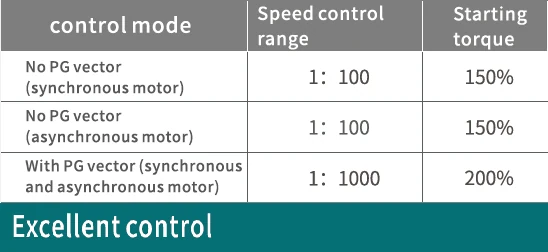
The heavy-load drive in the KEVAN range - closed-loop vector control, expansion cards and torque at near-zero speed for wire drawing, hoists and extruders.
View Specifications →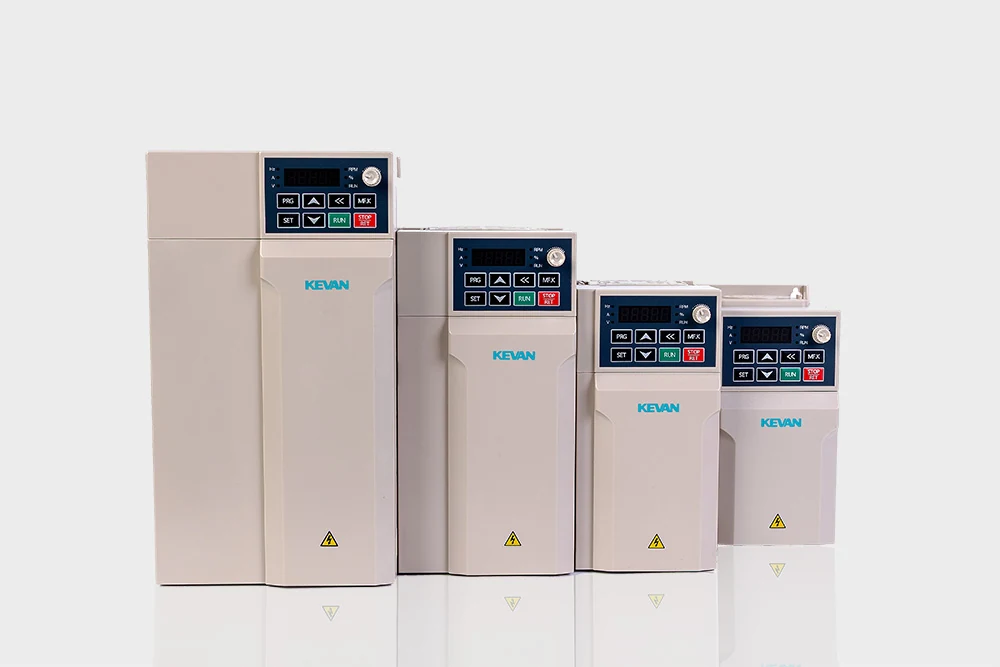
KV100 Series Economic Frequency Inverter
A cost-controlled general-purpose drive for lathe spindles, fans, pumps and conveyor lines, built to hold full output in a 50 C cabinet.
View Specifications →Related Cases
Related Articles
- Choosing Solar Water Pump Inverters for Sustainable Land Management
- The Application of Solar Water Pump Inverters in Automated Irrigation District Management Part Two
- The Application of Solar Water Pump Inverters in Automated Irrigation District Management
- System Integration and Compatibility Considerations for Solar Photovoltaic Power Inverters
Questions About This Topic
Which KEVAN series applies to what this article describes?
How do I pick the right rating for my motor?
Can I test one unit before committing to a batch?
Is the product documentation available?
How much starting torque does the KV600 deliver?
What speed control range is achievable?
Turn This Into a Model Number
Send your motor details and we will recommend the series and rating that fits.