
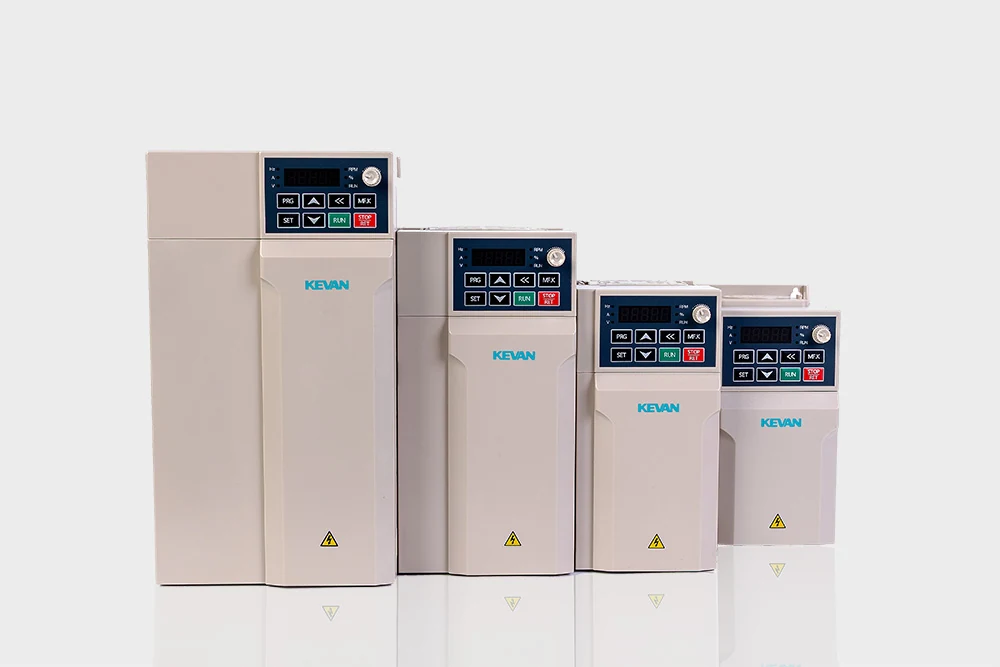
Solar Pump Inverter vs Traditional Grid Water Pump
When it comes to efficient water management, the debate between solar pump inverter vs traditional grid water pump is more relevant than ever. With increasing emphasis on sustainability and...
Inverter Knowledge · Published 2026-01-12
When it comes to efficient water management, the debate between solar pump inverter vs traditional grid water pump is more relevant than ever. With increasing emphasis on sustainability and energy efficiency, understanding the pros and cons of each system can help you make an informed decision for your agricultural, residential, or industrial needs.
What is a Solar Pump Inverter?
A solar pump inverter is a device that converts the direct current (DC) generated by solar panels into alternating current (AC) to power water pumps. This system operates independently of the electrical grid, making it ideal for remote or off-grid locations. Solar pump inverters are often equipped with intelligent features such as Maximum Power Point Tracking (MPPT), remote monitoring, and automatic operation based on water demand or environmental conditions.
What is a Traditional Grid Water Pump?
A traditional grid water pump relies on electricity supplied by the national or local grid. These pumps are directly connected to the grid or managed via a variable frequency drive (VFD) for speed control. Grid-powered pumps are common in urban and rural areas with stable electricity infrastructure.
Solar Pump Inverter vs Traditional Grid Water Pump: 5 Key Differences
-
Energy Source
Solar Pump Inverter: Powered by sunlight, completely independent of the grid.
Traditional Grid Water Pump: Dependent on grid electricity, which may be unreliable in some regions.
-
Operational Costs
Solar Pump Inverter: Higher initial investment, but negligible running costs as sunlight is free.
Traditional Grid Water Pump: Lower upfront cost but ongoing electricity bills.
-
Environmental Impact
Solar Pump Inverter: Zero emissions, supports green energy initiatives.
Traditional Grid Water Pump: May contribute to carbon emissions, especially if the grid uses fossil fuels.
-
Maintenance and Reliability
Solar Pump Inverter: Fewer moving parts, lower maintenance, reliable in remote locations.
Traditional Grid Water Pump: Regular maintenance needed, vulnerable to power outages.
-
Scalability and Flexibility
Solar Pump Inverter: Easily scalable by adding more panels, flexible installation.
Traditional Grid Water Pump: Limited by grid access and infrastructure.
Cost Comparison
While solar pump inverters require a higher initial investment, their operational costs are much lower over time. Traditional grid water pumps may seem more economical at first, but electricity expenses can add up, especially in areas with high energy costs. For a detailed cost analysis, visit EnergySage.
Environmental Impact
Solar pump inverters are a sustainable choice, producing no greenhouse gases during operation. They align with global efforts to reduce carbon footprints and promote renewable energy. Learn more about solar energy benefits at the International Renewable Energy Agency (IRENA).
Application Scenarios
Solar Pump Inverter: Best for remote farms, off-grid communities, and eco-conscious projects.
Traditional Grid Water Pump: Suitable for urban areas and locations with reliable, affordable electricity.
Conclusion
The choice between solar pump inverter vs traditional grid water pump depends on your location, energy costs, environmental priorities, and water needs. Solar pump inverters offer long-term savings and sustainability, while grid pumps provide immediate, reliable power in well-connected areas.
Drives That Apply Here
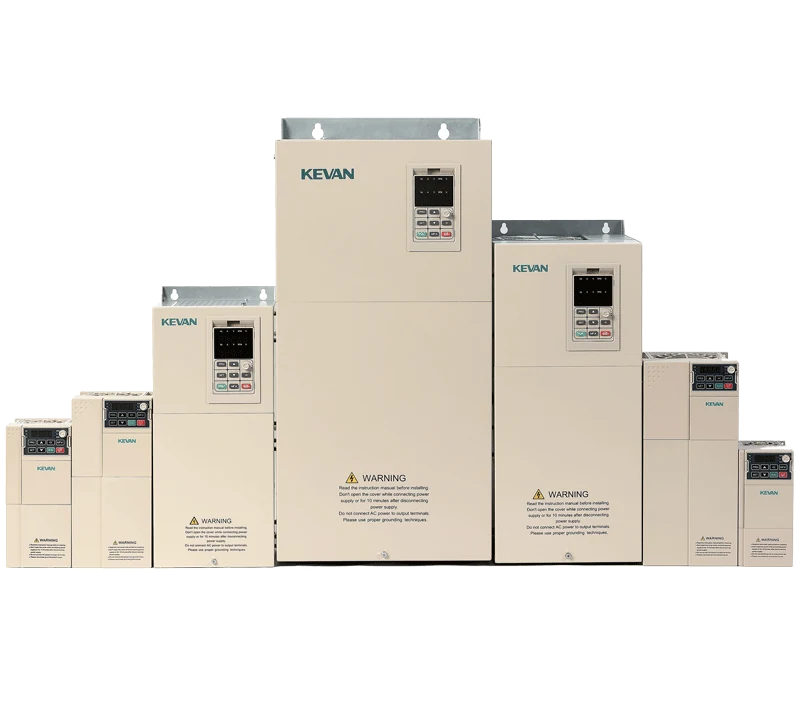
SV20 Series Solar Pump Inverter
The full-feature KEVAN solar pumping platform: grid-adaptive, light-sensing, app-controlled and able to swap between DC and AC in under 10 milliseconds.
View Specifications →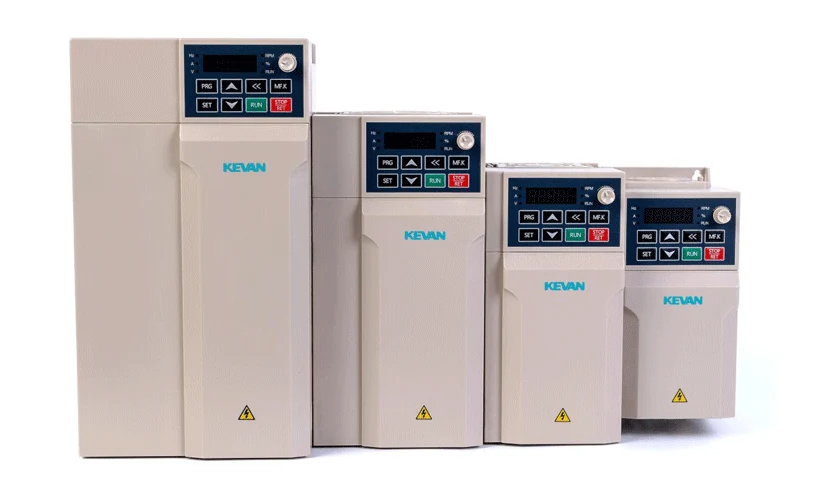
SV13 Series Photovoltaic Water Pump Inverter
A narrow book-style solar pump drive covering almost every small and mid-size pump voltage, with app monitoring and grid backup built in.
View Specifications →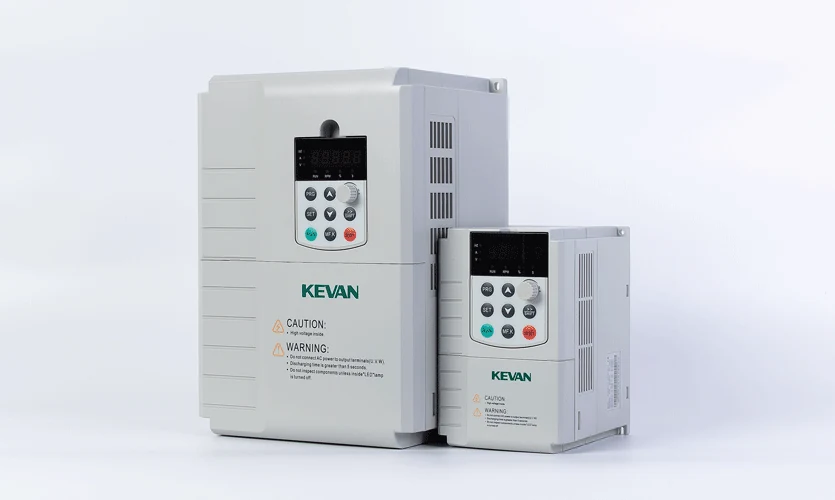
KV500 Series Solar Pump Inverter
Runs a three-phase 380V pump or machine from a single-phase 220V supply or straight from PV panels, with no phase converter in between.
View Specifications →Related Cases
Related Articles
- Choosing Solar Water Pump Inverters for Sustainable Land Management
- The Application of Solar Water Pump Inverters in Automated Irrigation District Management Part Two
- The Application of Solar Water Pump Inverters in Automated Irrigation District Management
- System Integration and Compatibility Considerations for Solar Photovoltaic Power Inverters
Questions About This Topic
Which KEVAN series applies to what this article describes?
How do I pick the right rating for my motor?
Can I test one unit before committing to a batch?
Is the product documentation available?
How efficient is the SV20?
How fast does it switch between solar and grid power?
Turn This Into a Model Number
Send your motor details and we will recommend the series and rating that fits.