
- Home
- Knowledge Center
- Qi2 And Qi2.2: What The Numbers Actually Mean

Qi2 And Qi2.2: What The Numbers Actually Mean
Magnetic attachment, 15W, 25W and the word certified. Four things that get used interchangeably in product listings and mean four different things on a specification sheet.
Magnetic is not the same as Qi2
A magnetic charger holds the phone with magnets. A Qi2 charger holds the phone with magnets in a defined arrangement, negotiates power under a defined profile, and has been tested against that specification. The first is a mechanical description that any product can claim. The second is a certification that a product either has or does not have. Most of the confusion in this category comes from listings that use the first to imply the second, and the practical cost of that confusion is a product that attaches beautifully and then charges at 7.5W.
What the power classes are
Qi2 defines a 15W magnetic power class. Qi2.2 raises it to 25W. Both build on the same magnetic alignment, so a Qi2.2 charger works with a Qi2 phone and negotiates down to 15W automatically, and a Qi2 charger works with a Qi2.2 phone at 15W. Nothing breaks in either direction. What changes is how long a charge takes, and at the top of a range that difference is the reason a customer pays more.
Why alignment decides efficiency
Wireless power transfer falls off sharply when the transmitting and receiving coils are not concentric. A flat pad relies on the user placing the phone correctly and keeping it there; a magnetic charger removes that variable entirely. This is why a 15W magnetic charger often outperforms a nominally similar flat pad in practice, and why a magnetic car charger is a genuinely different product from a car pad rather than a styling variant.
What a case does to the numbers
Magnetic force and coil coupling both fall as the gap between phone and charger grows, and case thickness is that gap. A thin case costs a little; a thick protective case costs a lot; a case with a metal plate for a car mount can stop magnetic charging altogether. Any evaluation done on a bare phone will over-report what the end customer experiences, so test with the case that customer actually uses.
What the charger has to supply
A 25W wireless pad has to get that power from somewhere. The KIKOO Mag Qi2.2 ultra-thin pad accepts 5V/3A, 9V/3A, 12V/3A and 15V/3A with PPS support, and it will not reach its rated class from a 5V-only adapter. If a retail bundle includes a charger, the charger has to be able to deliver the class the bundle is being sold on.
What to ask a supplier
Three questions separate a certified product from a magnetic one. Is it certified, and to Qi2 or Qi2.2? What is the maximum wireless output, and at what input? And what happens with a phone of the other class? A supplier who answers all three in writing is describing a product. A supplier who answers with adjectives is describing a hope.
Products Referenced In This Guide
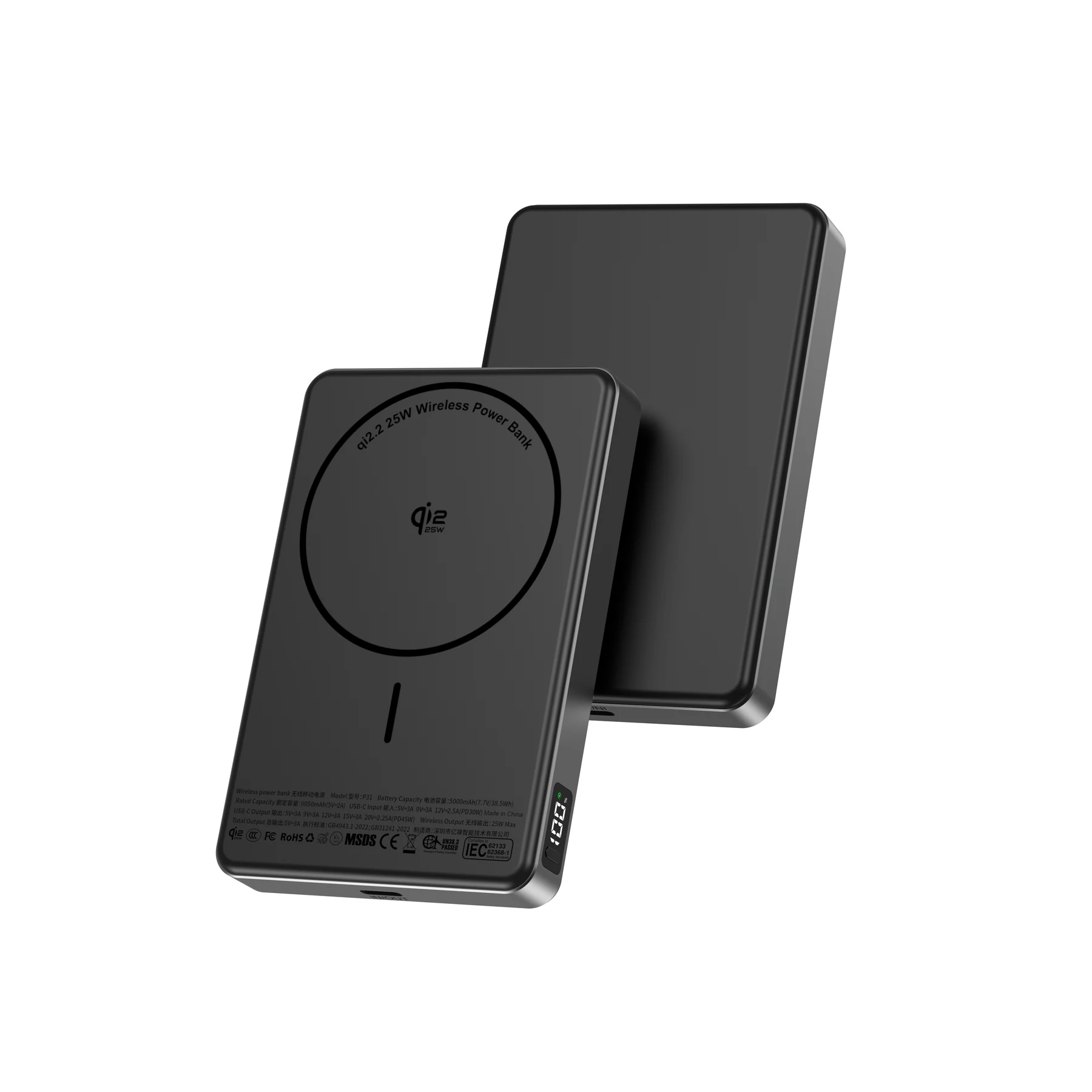
KIKOO Mag Qi2.2 25W Magnetic Power Bank, 10000mAh With PD 45W
The flagship magnetic pack: Qi2.2 at 25W wireless, PD 45W over Type-C and 10000mAh built from two 5000mAh cells. Certified to Qi2.2, CCC, CE RED EMC, FCC, ROHS, IEC62368-1, UL2056 and UN38.3.
See the specification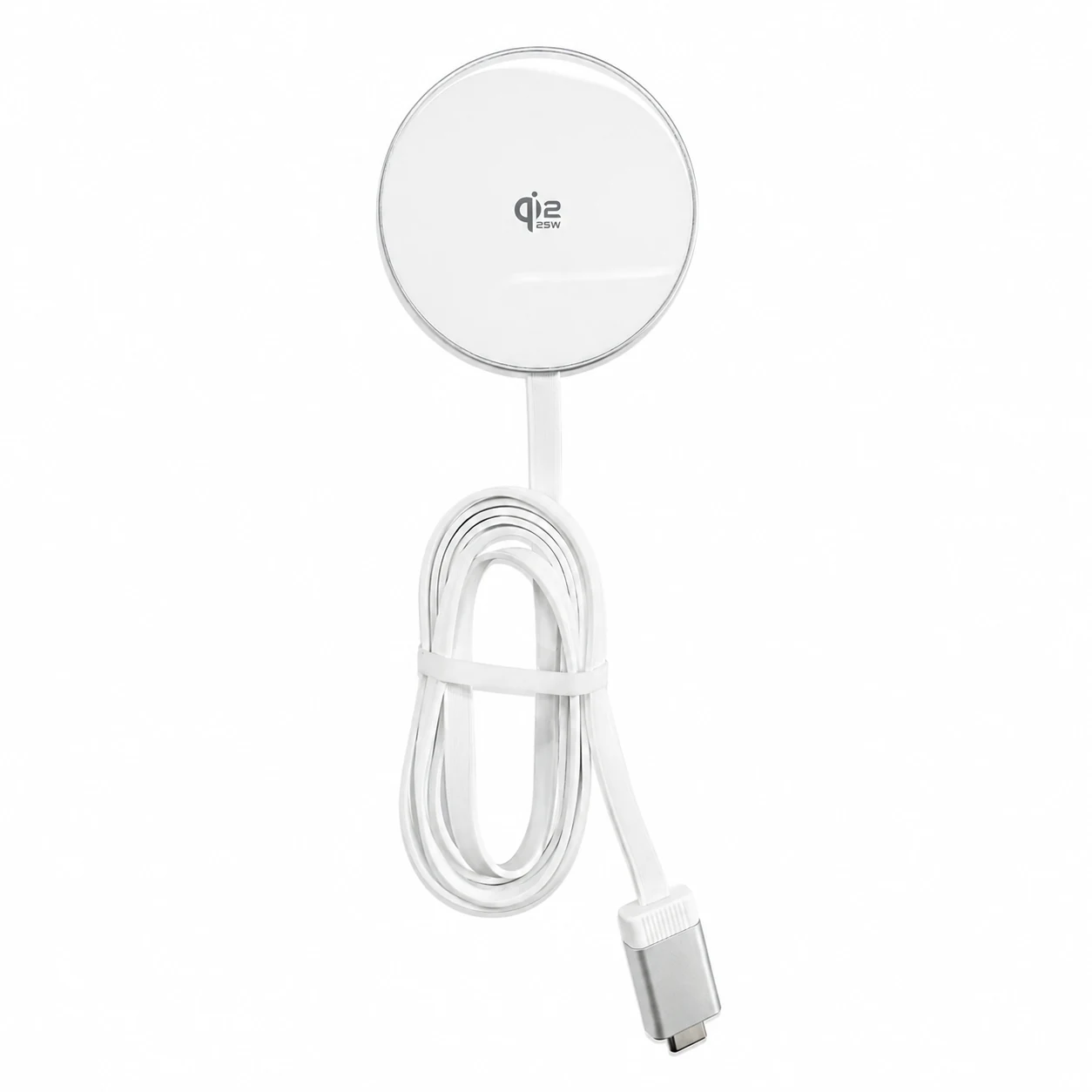
KIKOO Mag Qi2.2 25W Ultra-Thin Wireless Charging Pad
A 4mm aluminium and glass magnetic pad running the Qi2.2 standard at up to 25W, supplied with a 1.2m Type-C cable. Certified Qi2.2, CE, FCC and ROHS.
See the specification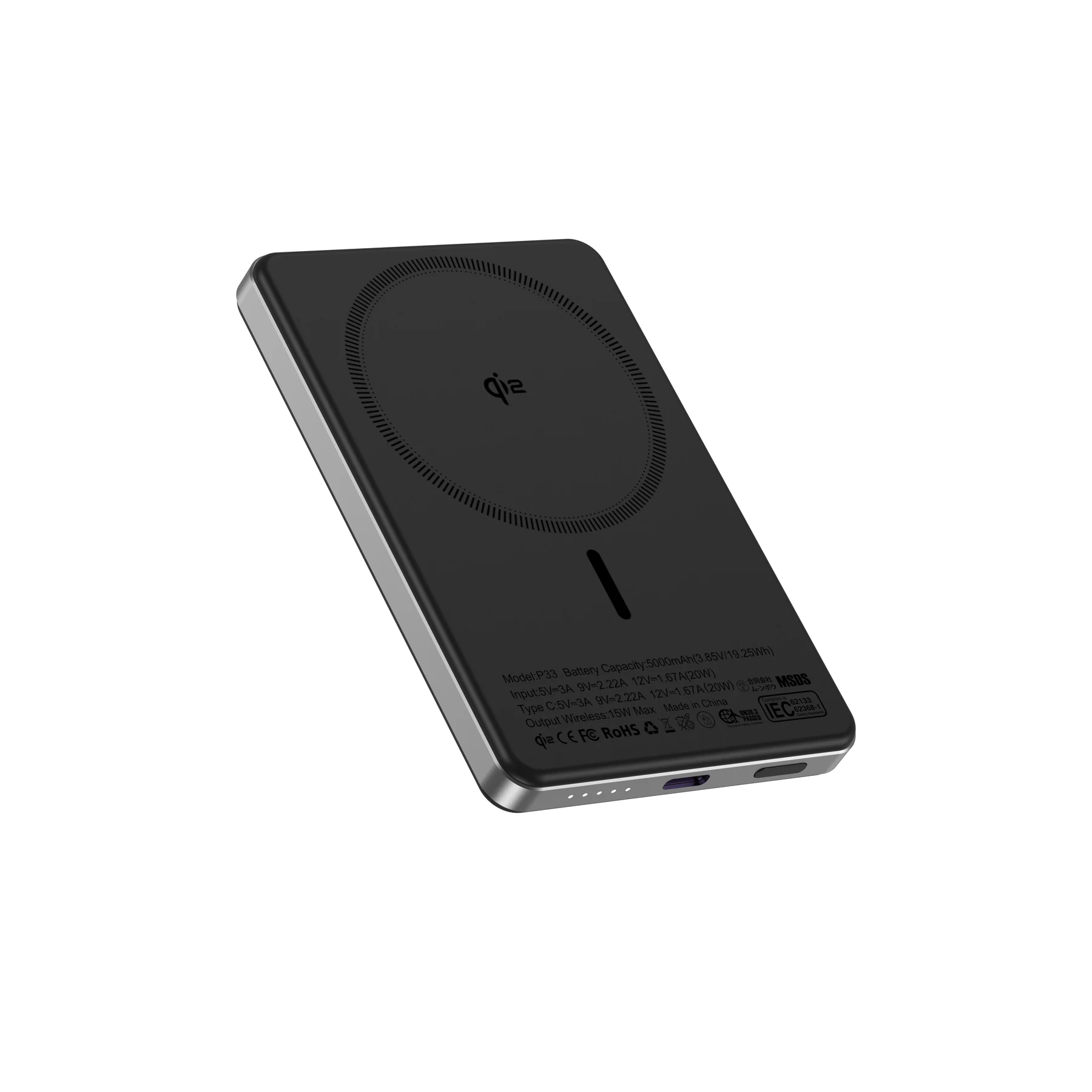
KIKOO Mag 5000mAh Qi2 Certified Magnetic Power Bank
A Qi2 certified 5000mAh magnetic pack that snaps to the back of a MagSafe iPhone and charges it at 15W wirelessly, or at PD 20W over Type-C. Model KIKOOP33Qi2MAG-5000.
See the specificationQuestions About This Guide
Does a Qi2.2 charger work with a Qi2 phone?
Is magnetic charging less efficient than a cable?
Which products here are certified?
Put This Into Practice
Send the product family you are sourcing and a recommendation with the matching specifications comes back by email.