
- Home
- Knowledge Center
- How To Import From China

How To Import From China
The sequence that actually works, from identifying a product to clearing customs, written from the supplier's side of the transaction.
Start from the product, not the supplier
Decide what you are importing and why it will sell before you start looking for who makes it. Market research first: what is in demand in your region, at what price, against which competitors. A supplier search that begins without that answer produces a shortlist you cannot evaluate, because you have no basis for deciding whether a quotation is good.
Finding a supplier, and what to look at
Online directories such as Alibaba, Global Sources and Made-in-China are the normal starting point, and trade fairs are the fastest way to meet suppliers in person. In evaluating one, look at reputation, production capacity, quality control process and pricing together rather than separately. A low price from a supplier with no capacity is not a low price.
Negotiating terms in writing
Price, payment terms, delivery time, packaging and every other relevant detail belong in a written contract. This is not a formality: most import disputes come down to something both sides assumed and neither wrote down. Packaging in particular is worth settling early, because on small accessories it moves the landed cost more than the product does.
Shipping and payment
You can use a freight forwarder or handle logistics yourself; a forwarder handles the movement from the factory to your destination and is worth it for a first import. Pay through a secure method and keep the documentation, invoices and bills of lading, because that paperwork is what proves the transaction if anything goes wrong downstream.
Customs and inspection
At the destination the goods have to clear customs, which means paying duties and taxes and presenting documentation. A customs broker handles this routinely. Inspect the goods on arrival against the specification you agreed, and where the order is large enough, arrange a third-party inspection before shipment rather than after it. Finding a problem in the factory is cheap; finding it in your warehouse is not.
Products Referenced In This Guide
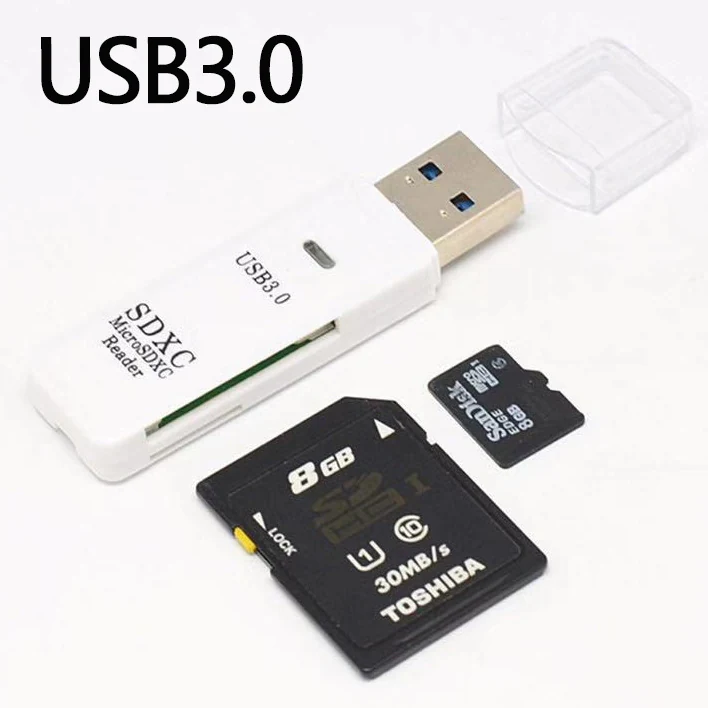
USB 3.0 SD/TF Card Reader, 2-In-1 High-Speed Memory Card Adapter
A USB 3.0 reader with SD and microSD slots in one aluminium-look body, for photographers and anyone moving large card contents onto a laptop.
See the specification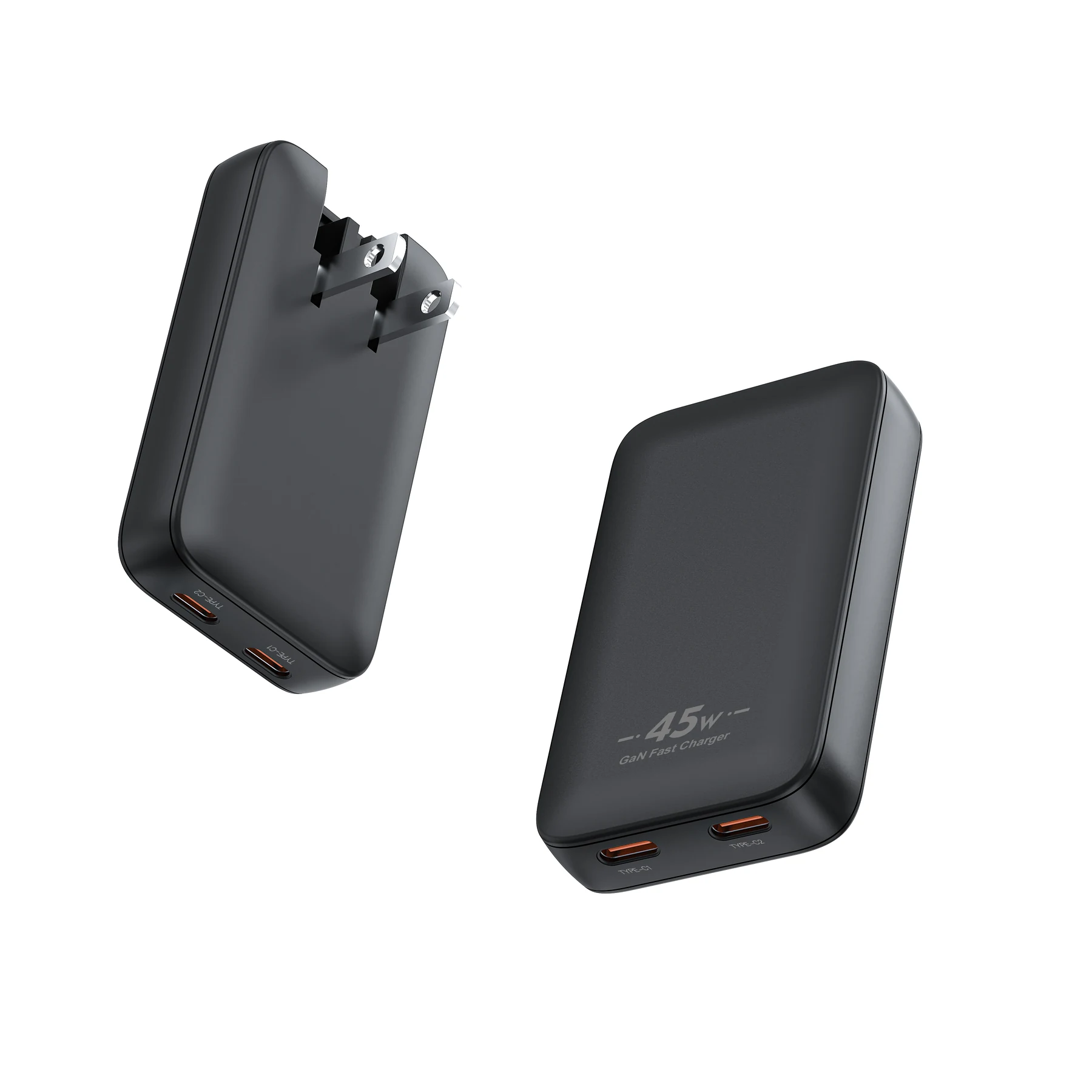
45W/65W GaN Slim Wall Charger With Foldable Prongs, US Plug
A GaN wall charger in four published configurations from 45W to 65W, with foldable prongs and a slim body. Models K26-GaN-65W1C1A, K26-GaN-65W1C, K26-GaN-45W2C and K26-GaN-45W1C1A.
See the specification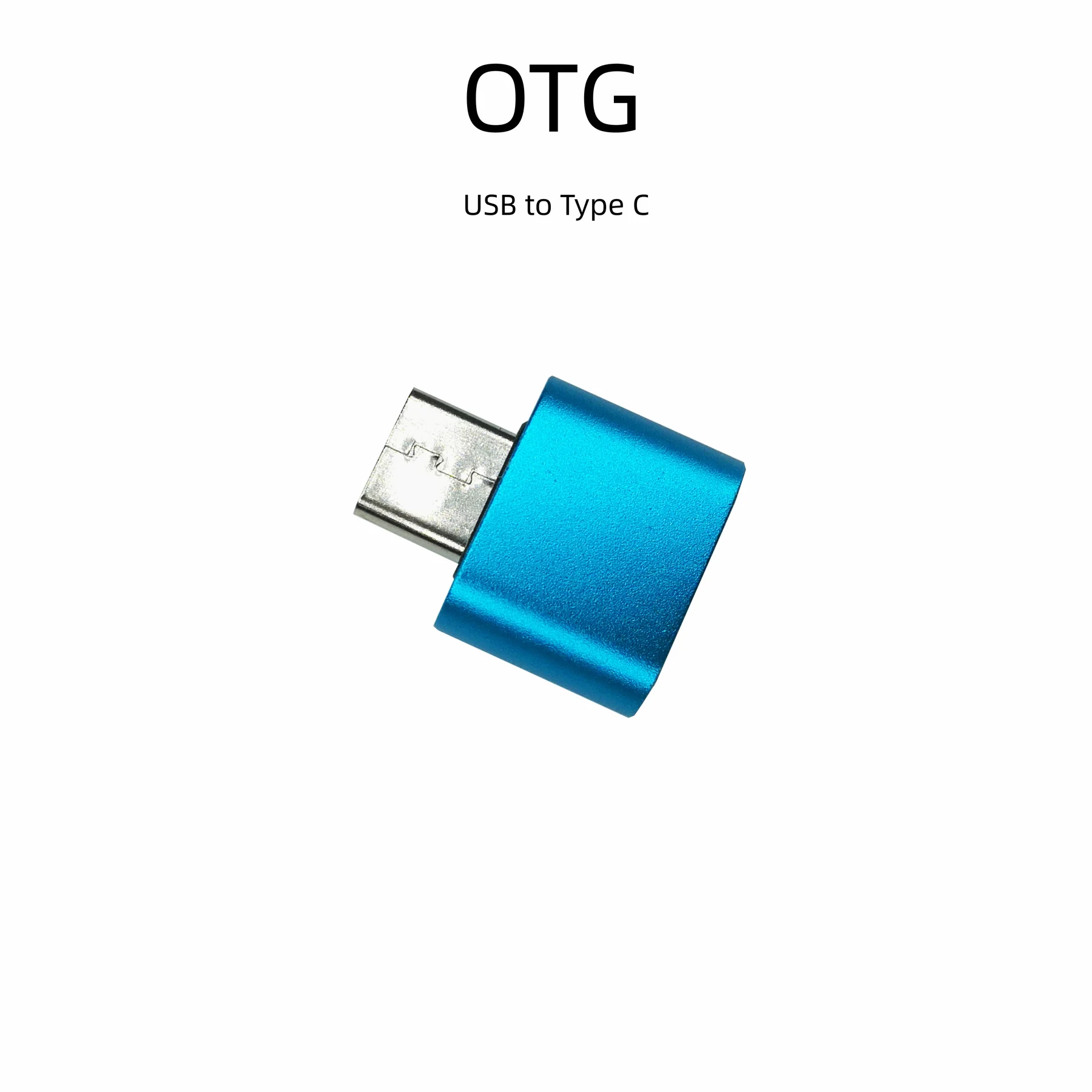
USB-A Female To USB-C Male OTG Adapter
A small aluminium OTG adapter that turns a USB-C phone or laptop port into a USB-A socket, for flash drives, keyboards, card readers and mice. Published in several anodised colours.
See the specificationQuestions About This Guide
Do I need a customs broker?
Should I inspect before or after shipment?
What should be in the contract?
Put This Into Practice
Send the product family you are sourcing and a recommendation with the matching specifications comes back by email.