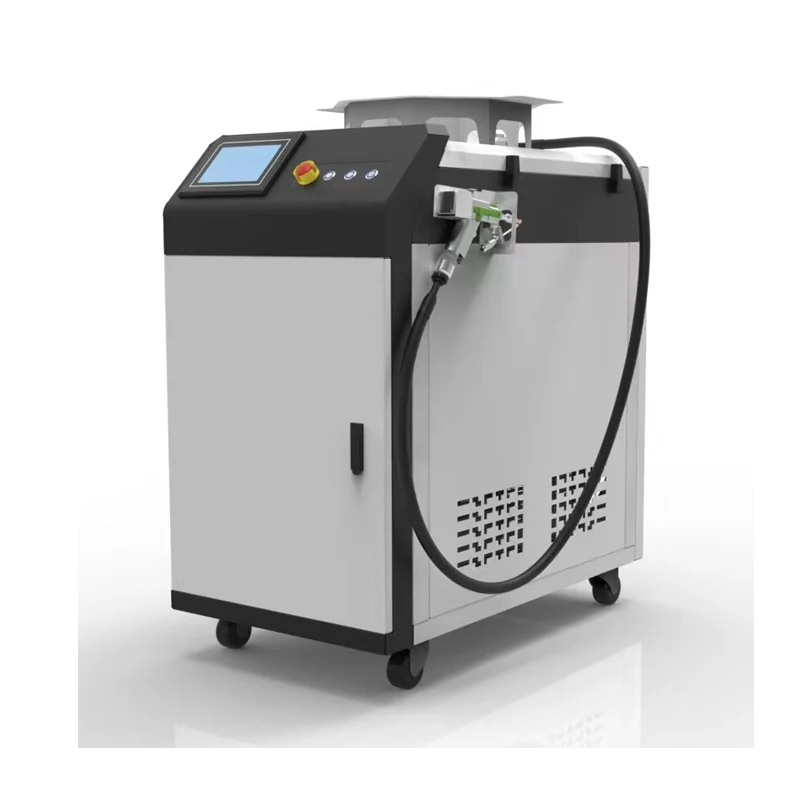
Laser Cleaning Machines
Pulse laser cleaner-Rust, Oil, Debris & Paint Removal
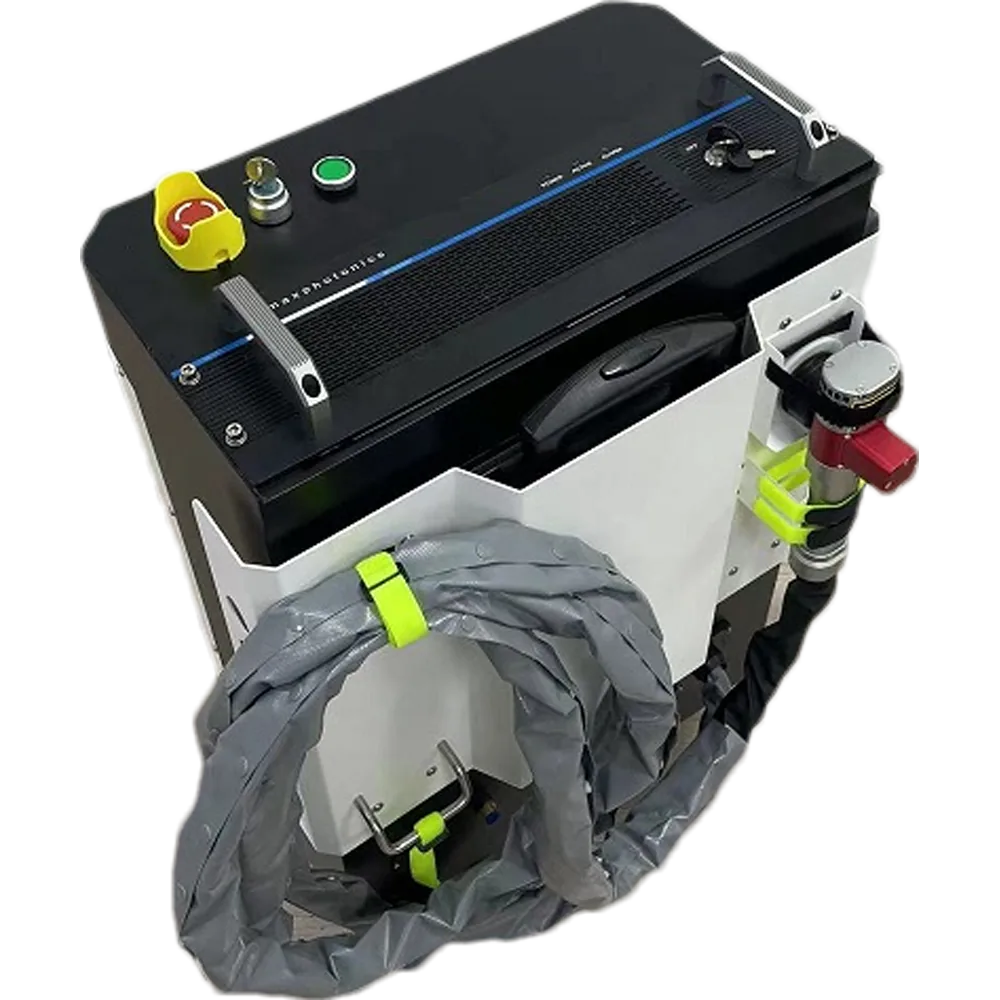
The Weihua Pulse Laser Cleaner is a trolley-case fiber laser system designed for removing rust, oil, debris, and paint from metal surfaces.
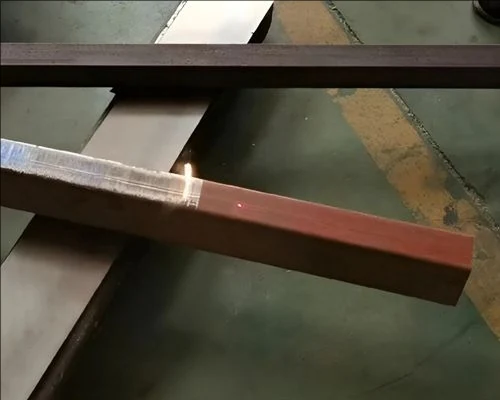
Traditional cleaning methods like sandblasting or chemical stripping create dust, sludge, or substrate damage. On complex or curved parts, manual wire brushing is slow and inconsistent.
A typical buyer for this application is a metal fabricator or restoration workshop preparing steel parts for coating. The parts arrive with rust, oil, old paint, or debris, and the surface condition dictates whether the new coating will adhere or fail within months.
Traditional cleaning methods like sandblasting or chemical stripping create dust, sludge, or substrate damage. On complex or curved parts, manual wire brushing is slow and inconsistent. Buyers need a cleaning method that removes contaminants without altering the base metal profile or requiring hazardous waste disposal.
Weihua offers two configurations for this problem: a trolley-case pulse laser cleaner with MAX laser source at 100 W, 200 W, or 300 W for precise removal of rust and paint, and a handheld continuous fiber laser cleaner at 1000 W to 3000 W for larger surface areas. The continuous model uses a Relfar control system and laser head with a 10 m or 15 m fiber cable, delivering a cleaning width of 200-300 mm at 1-2 m2 per minute depending on the metal surface condition.
The machines are configured based on the buyer's typical part size and contamination level. Pulse models suit detailed restoration or pre-coating prep on smaller parts, while continuous models handle large plate or structural steel. Shipping is arranged by sea, air, or international express depending on the urgency of the production line restart.
Each unit is tested for beam stability and cleaning efficiency before dispatch. The water cooling system is verified for correct chiller power matching the laser source (1000 W to 3000 W). Protective mirrors (D20*2) and optical paths are checked for alignment to ensure consistent cleaning width and no substrate damage during operation.
Parts arrive at the coating station with a clean, dry surface free of chemical residue or embedded media. The non-contact process preserves the original geometry of curved or thin-walled components. Cleaning efficiency of 1-2 m2 per minute on the continuous model allows operators to keep pace with downstream coating or welding steps without bottlenecks.
Fabricators reduce consumable costs by eliminating blasting media and chemical strippers. The dust-free, water-free process simplifies workshop compliance and reduces cleanup time between jobs. Surface cleanliness is high enough to support immediate coating application, shortening the lead time from rusted stock to finished part.
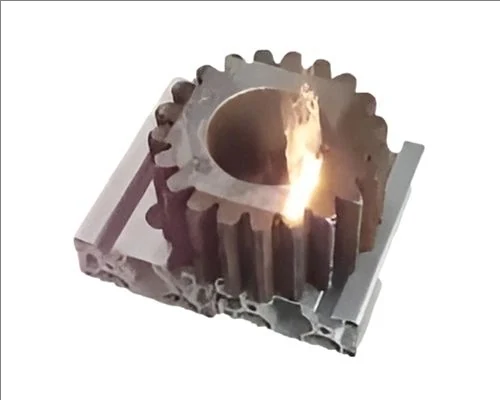
Laser Cleaning Machines
The Weihua Pulse Laser Cleaner is a trolley-case fiber laser system designed for removing rust, oil, debris, and paint from metal surfaces.
Continuous Fiber Laser Cleaning Machines
The handheld fiber laser cleaning machine uses a continuous wave fiber laser source with a 1064 nm wavelength to remove surface contaminants without...
Send a photo or drawing of the part. We will tell you which machine handles it, what it will not do, and what the crate will weigh.