
Porcelain Pin Insulator Industry Outlook and Trends in 2026
Keeping up with porcelain pin insulator trends can feel like staring at a power line and hoping for subtitles—markets shift, standards change, and somehow every “simple” spec sheet reads like a secret electrician language.
Keeping up with porcelain pin insulator trends can feel like staring at a power line and hoping for subtitles—markets shift, standards change, and somehow every “simple” spec sheet reads like a secret electrician language.
You can tame the chaos by tracking clear 2026 forecasts, like the detailed market data in this Grand View Research insulators industry report , then matching its insights to your own pricing, inventory, and sourcing plans.
⚡ Global demand drivers shaping porcelain pin insulator market in 2026
By 2026, porcelain pin insulators will see steady growth as utilities upgrade aging lines, connect renewable plants, and strengthen medium‑ and high‑voltage distribution networks worldwide.
Rural electrification, smart grid projects, and stricter safety codes will also support demand for reliable, tested solutions such as 10kV/15kV/20kV pin type porcelain insulator PW-22-Y high voltage insulator .
1. Grid modernization and life‑extension projects
Utilities in North America, Europe, and Asia will replace old insulators to reduce outages and improve line performance.
Replacement of 30–50‑year‑old lines
Integration of new protection schemes
Focus on proven porcelain reliability
2. Renewable energy and distributed generation
Wind, solar, and small hydro projects need robust pin and shackle porcelain insulators to manage variable loads and harsh outdoor conditions.
New feeder lines to solar farms
Grid‑connected battery sites
Corrosion‑resistant designs for coastal areas
3. Urbanization and industrial expansion
Cities and industrial parks require compact, high‑capacity lines, lifting demand for advanced designs like Pin type insulators for high voltage ANSI 56-3 .
4. Rural electrification and mini‑grid programs
Emerging markets will keep using cost‑effective Shackle porcelain insulators ED-2B for short spans, distribution lines, and off‑grid mini‑grids.
Government‑funded village electrification
Local mini‑grid schemes
Low‑cost, easy installation hardware
🏭 Technological upgrades in porcelain materials and manufacturing processes
In 2026, manufacturers will refine porcelain formulas, firing curves, and glazing to boost mechanical strength, pollution resistance, and long‑term electrical reliability.
Advanced testing, automated kilns, and tighter quality control will support higher surge withstand and better performance in coastal, desert, and industrial environments.
1. Stronger porcelain bodies and optimized glazes
Improved raw material selection and glaze design will help reduce porosity, raise bending strength, and control surface leakage paths.
Low‑loss porcelain mixes
High‑creepage glaze profiles
Better resistance to tracking
2. Automation in forming, firing, and inspection
Fully automated pressing lines and digital kilns will cut defects and ensure consistent electrical and mechanical ratings.
3. Advanced testing and digital traceability
Producers will log type, routine, and sample tests in digital systems, improving traceability for each insulator batch shipped to utilities.
4. Customized designs for harsh climates
By 2026, utilities will order tailored pin and shackle profiles for heavy ice, sand storms, industrial smoke, and mixed contamination.
Longer creepage distances
Anti‑fog and anti‑salt geometries
High‑altitude derating support
🌱 Sustainability, recycling, and environmental regulations affecting porcelain insulators
Environmental rules will push manufacturers to cut kiln emissions, use cleaner energy, and improve recycling of metal fittings and packaging.
1. Lower‑emission firing and energy management
Producers will adopt natural gas or electric kilns, waste‑heat recovery, and stricter fuel monitoring to reduce CO₂ per insulator.
Heat recovery from kilns
Optimized firing schedules
Real‑time energy dashboards
2. Recycling of hardware and process waste
While porcelain bodies are hard to recycle, metal caps, pins, and pallets can enter regular scrap and reuse channels.
3. Compliance with regional environmental policies
Suppliers must align with EU, US, and Asian rules on air emissions, waste tracking, and safer chemicals during glazing and cleaning.
🛡️ Reliability, safety standards, and grid resilience requirements for 2026 installations
By 2026, grid codes will stress higher reliability, better lightning performance, and clear compliance with IEC, ANSI, and national standards.
1. Alignment with IEC and ANSI requirements
Insulators must meet strict values for dry and wet withstand, impulse strength, and mechanical failing loads for each voltage class.
Defined creepage distances
Controlled dimensional tolerances
Documented type tests
2. Higher resilience to extreme weather
Storms, heat waves, and ice loads push utilities to specify stronger porcelain and more robust line configurations.
3. Safety for line workers and communities
Clear labeling, stable fittings, and predictable failure modes help protect line crews and nearby people during faults or replacement work.
📈 Regional growth hotspots and project opportunities for Huayao porcelain pin insulators
In 2026, Asia‑Pacific, the Middle East, and Africa will remain the fastest‑growing markets for Huayao porcelain pin insulators.
1. Asia‑Pacific transmission and distribution upgrades
China, India, and Southeast Asia continue to expand 10–66 kV networks, creating strong demand for cost‑effective, reliable porcelain pin solutions.
Urban load growth
Industrial corridor projects
Cross‑border interconnections
2. Middle East and Africa electrification programs
National utilities plan new lines to connect remote regions, oil and gas fields, and renewable clusters across the region.
3. Opportunities with EPC and OEM partners
Huayao can work closely with EPC firms and switchgear OEMs to supply matched insulator packages for turnkey substation and line projects.
Conclusion
By 2026, the porcelain pin insulator market will blend classic reliability with modern materials, automation, and greener production practices.
Utilities will look for partners who offer tested designs, clear standards compliance, and strong technical support to strengthen grid performance and reduce life‑cycle costs.
Frequently Asked Questions about porcelain pin insulator
1. What is a porcelain pin insulator?
A porcelain pin insulator is a ceramic device mounted on a pin or stud that supports and electrically isolates overhead conductors in distribution and sub‑transmission lines.
2. Where are porcelain pin insulators mainly used?
They are widely used on 10–66 kV overhead lines for utilities, renewable plants, industrial feeders, and rural electrification projects where reliability and low maintenance are important.
3. How long can a porcelain pin insulator last in service?
With correct design, installation, and pollution control, high‑quality porcelain pin insulators often operate 30 years or more without major problems.
4. How do porcelain pin insulators compare with polymer types?
Porcelain offers strong mechanical strength, UV stability, and well‑known behavior, while polymer units are lighter. The best choice depends on climate, pollution, and utility preference.
5. What key standards apply to porcelain pin insulators?
Most products follow IEC or ANSI standards, which define electrical withstand levels, creepage distances, mechanical loads, and required type and routine tests.
Types You Can Order
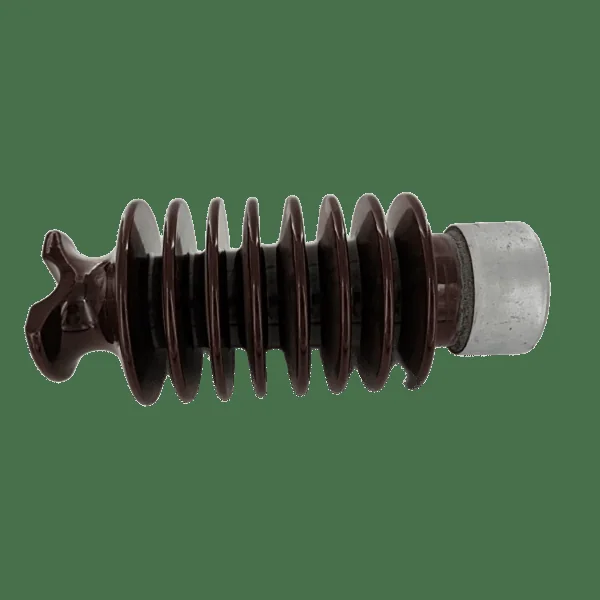
High Voltage Post Electrical Porcelain Insulator 57-3
View specifications →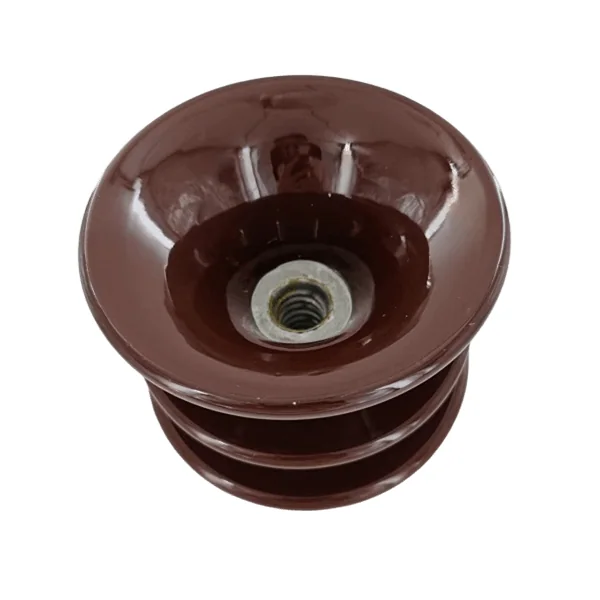
10kV/15kV/20kV Pin Type Porcelain Insulator P-11-Y High Voltage Insulator
View specifications →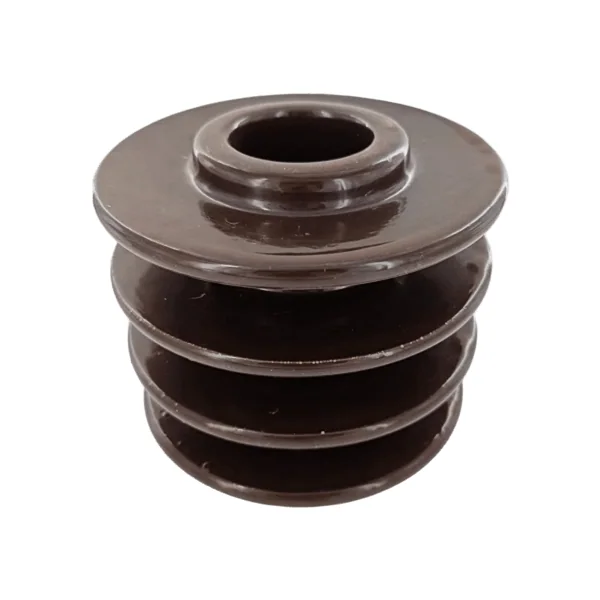
10kV/15kV/20kV Pin Type Porcelain Insulator PW-15-Y High Voltage Insulator
View specifications →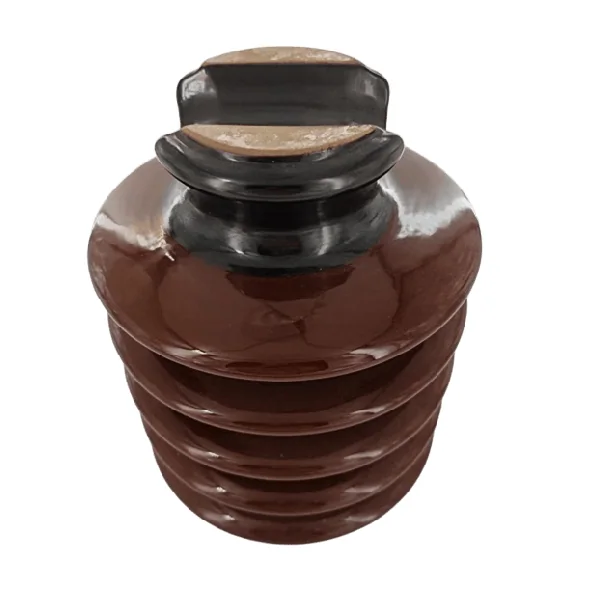
10kV/15kV/20kV Pin Type Porcelain Insulator PW-22-Y High Voltage Insulator
View specifications →Quick Answers
Straight answers to the questions buyers ask before a first order.
What does this guide cover?
Keeping up with porcelain pin insulator trends can feel like staring at a power line and hoping for subtitles—markets shift, standards change, and somehow every “simple” spec sheet reads like a secret electrician language.
Who wrote this?
Jiangxi Huayao Electric Co., Ltd., a toughened glass and porcelain insulator manufacturer in Luxi County, Pingxiang City, Jiangxi Province, China.
Where can I get the matching product data?
Every type in the catalogue publishes failing load, routine test load, nominal diameter, unit spacing, creepage distance, coupling size and net weight.
Need The Numbers For Your Own Line?
Send the voltage, pollution class and specified load, and we will return the matching type codes with drawings.