
How Glass Insulators Work on Power Lines
You stare at buzzing power lines and those glassy blobs, wondering if they’re fancy bird perches or secret lightning shields—and why no one explains it without a degree in electrical wizardry.
You stare at buzzing power lines and those glassy blobs, wondering if they’re fancy bird perches or secret lightning shields—and why no one explains it without a degree in electrical wizardry.
Learn how glass insulators block dangerous current, prevent sparks, and keep lines stable by exploring clear diagrams and simple explanations in this U.S. National Renewable Energy Laboratory report .
🔌 Basic Structure and Materials of Glass Insulators on Power Lines
Glass insulators support live conductors and keep them safely separated from towers. Their smooth, toughened glass surfaces resist cracking, pollution, and electrical stress in high‑voltage networks.
Each insulator unit links into strings. Designers choose disc size, metal fittings, and mechanical strength to match line voltage, span length, and local weather conditions.
1. Main Components of a Glass Insulator
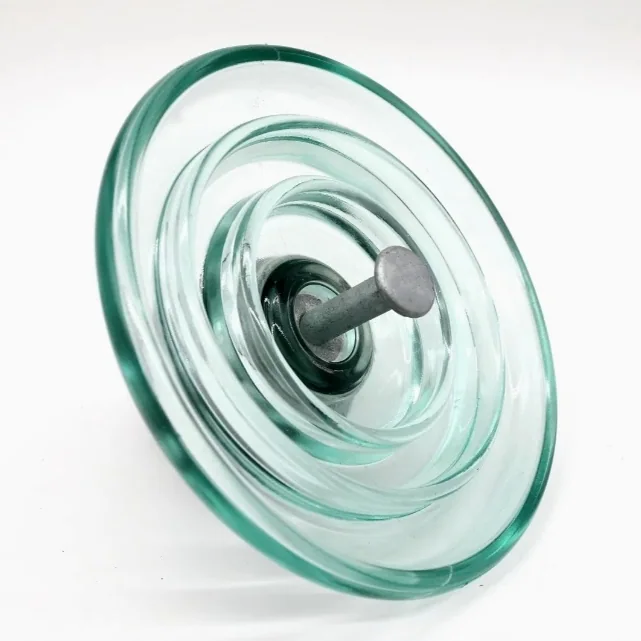
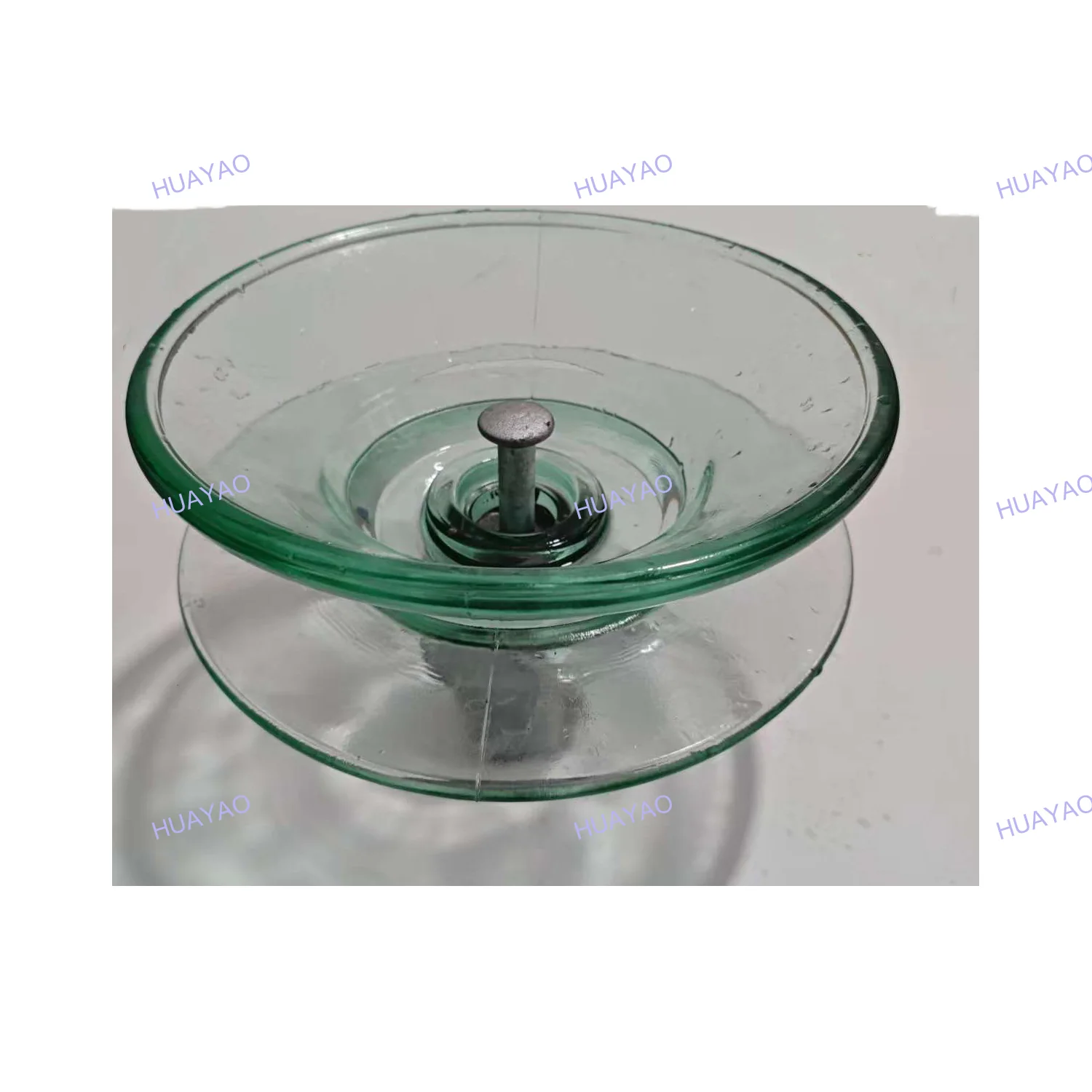
The core parts are the glass disc, steel cap, and forged iron pin. Cement locks these parts together to handle mechanical and electrical stress.
Tempered glass shell
Galvanized metal fittings
Cement joint between glass and metal
Ribs and sheds to increase creepage distance
2. Toughened Glass Production Process
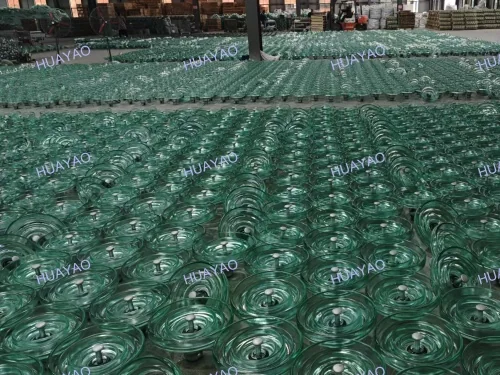
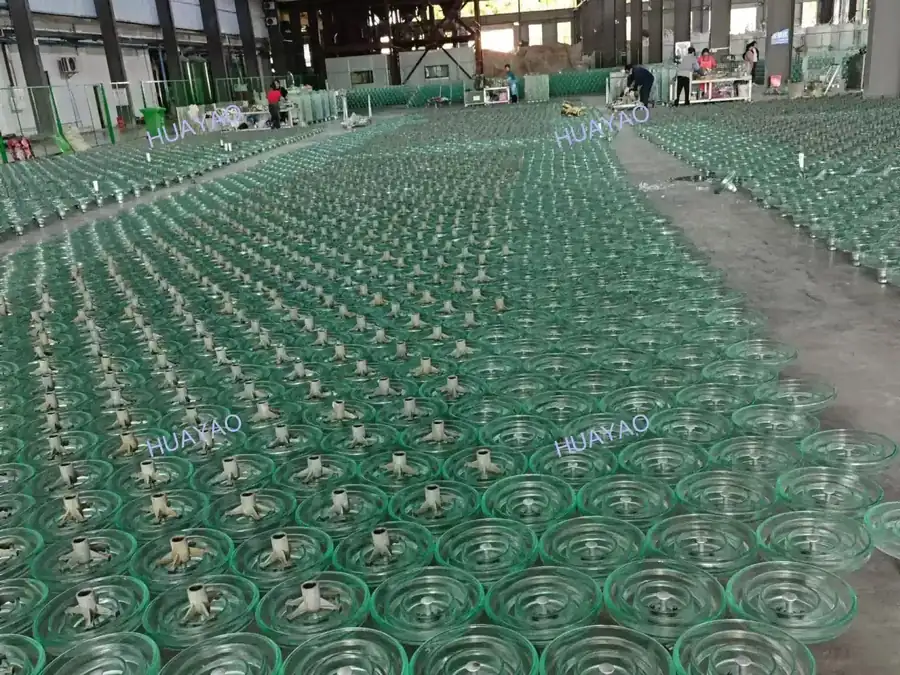
Manufacturers heat glass discs and cool them quickly. This creates strong surface compression, which improves impact resistance and makes breakage patterns easy to inspect.
Melting and molding clear glass
Controlled tempering and cooling
Automatic visual inspection
Mechanical and electrical routine tests
3. Mechanical Strength Levels
Lines use different strength classes. For light lines, engineers may select a High voltage suspension 40 kN toughened glass insulator U40B glass insulators unit; heavy lines use higher ratings.
4. Electrical Performance Factors
Key design targets include high puncture strength, long creepage distance, and low dielectric loss to keep lines stable under continuous and switching voltages.
Dry and wet flashover voltage
Creepage distance per kV
Radio interference level
Resistance to internal puncture
⚡ How Glass Insulators Prevent Current Leakage and Short Circuits
Glass insulators block current between live conductors and grounded towers. Their long surface paths and clean, smooth glass greatly reduce leakage and flashover risk.
Designers shape the disc profile to manage electric fields, shed water, and control pollution layers, which improves safety under both dry and wet conditions.
1. Surface Leakage Control
Electric current prefers short, easy paths. Insulator sheds force leakage to travel a longer route, which keeps surface current small and safe.
Extended creepage distance
Hydrophobic surface behavior
Self‑cleaning effect from wind and rain
2. Internal Insulation Strength
Tempered glass has very high dielectric strength. It resists puncture even under switching surges and lightning impulses on high‑voltage grids.
High bulk resistivity
Low dielectric loss
Stable performance over time
3. Flashover Performance Data (Bar Chart)
Flashover tests compare dry and wet performance. Engineers use this data to size insulator strings and choose proper safety margins for each voltage level.
4. Role in System Reliability
By limiting leakage and flashover, glass insulators cut line trips, keep voltage stable, and help power companies reduce outage duration and maintenance cost.
🌦 Weather Resistance: Glass Insulators Under Rain, Snow, and Pollution
Glass insulators keep strong electrical performance during rain, snow, salt spray, and industrial pollution due to their smooth surfaces and tough, tempered structure.
Engineers design shed shapes and creepage distance so that water films and dirt deposits have less effect on insulation strength.
1. Performance in Heavy Rain
During rain, water forms thin films on the glass surface. The long creepage path and clean glass prevent rapid flashover even in strong storms.
Optimized shed angle for drainage
Reduced continuous water film
Stable wet flashover voltage
2. Snow and Ice Loading
Tempered glass handles repeated freeze–thaw cycles. It resists cracking under ice load while keeping enough insulation distance along the surface.
High mechanical reserve strength
Good resistance to thermal shock
Minimal change in surface quality
3. Pollution and Salt Fog
In coastal and industrial zones, glass sheds hold less contamination. Washing and natural rain quickly restore the original high‑insulation surface.
🏗 Installation Methods and Safety Requirements for Glass Insulators
Correct installation ensures glass insulators carry both electrical and mechanical loads safely. Crews follow strict procedures to avoid damage and future failures.
Engineers select string length, hardware, and tower attachment types according to line voltage, span, and expected environmental stress.
1. Suspension and Tension Strings
Suspension strings hang conductors vertically, while tension strings anchor them at angles or terminals. Both use series‑connected discs sized for the required voltage.
Vertical suspension for straight spans
V‑strings for high mechanical loads
Tension strings for dead‑end towers
2. Safe Handling and Assembly
Crews avoid impacts on glass discs and use proper tools to tighten hardware. They follow lock‑out and grounding rules during installation.
Use certified lifting tools
Check each disc before mounting
Apply correct torque on clamps
3. Inspection and Maintenance
Glass makes defects easy to see. Patrols spot shattered discs from the ground and replace only damaged units, which reduces outage time.
🏭 Why Power Companies Prefer Huayao Glass Insulators for Transmission Lines
Huayao glass insulators combine high mechanical strength, stable electrical performance, and clear quality control, which helps utilities run lines safely and efficiently.
The product range covers light to ultra‑high strength levels, supporting different voltage classes and demanding environmental conditions worldwide.
1. Wide Strength and Voltage Range
Utilities choose models from light to heavy duty. For example, the High voltage earth wire disc suspension 70 kN toughened glass insulator U70C glass insulators suits shield wires and medium‑load spans.
40 kN for light distribution
70 kN for shield and standard spans
120 kN+ for long and river crossings
2. Proven Reliability and Testing
Huayao performs strict mechanical, electrical, and thermal tests on each batch. Long‑term service data shows low failure rates and stable performance in harsh climates.
Routine mechanical load tests
Sample flashover and puncture tests
Weathering and pollution tests
3. Optimized Designs for Modern Grids
Designs like the High voltage suspension 120 kN electrical glass insulator U120BP-1 glass insulators offer strong mechanical ratings, long creepage distance, and easy inspection for high‑voltage transmission lines.
Conclusion
Glass insulators play a key role in safe, efficient power delivery. Their strong mechanical design and high electrical strength protect conductors from towers in all seasons.
With proven performance in rain, snow, and pollution, and with reliable options from Huayao, utilities can reduce outages, cut maintenance time, and extend line life.
Frequently Asked Questions about glass insulators on power lines
1. Why do power lines use glass insulators instead of plastic?
Glass offers higher long‑term stability, clear visual fault indication, and strong resistance to UV, heat, and pollution. These features make it ideal for high‑voltage lines.
2. How long do glass insulators usually last?
With proper design and normal conditions, glass insulators can last 30–50 years or more. Regular inspection and cleaning help maintain their performance.
3. What happens if a glass insulator disc breaks?
Tempered glass shatters into small pieces, which makes damage easy to see. The rest of the string usually holds, and crews replace only the broken unit.
4. How do utilities clean dirty glass insulators?
In many areas, natural rain is enough. In heavy pollution zones, crews use live‑line washing with de‑mineralized water or schedule manual cleaning during outages.
5. Are glass insulators safe during lightning strikes?
Yes. They are designed to withstand impulse voltages. In extreme cases, a controlled flashover may occur along the surface, protecting conductors and structures.
Types You Can Order
PSD70E 70kN EMS Anti Fog Type Corrosion Proof Disc Insulator Glass Type
View specifications →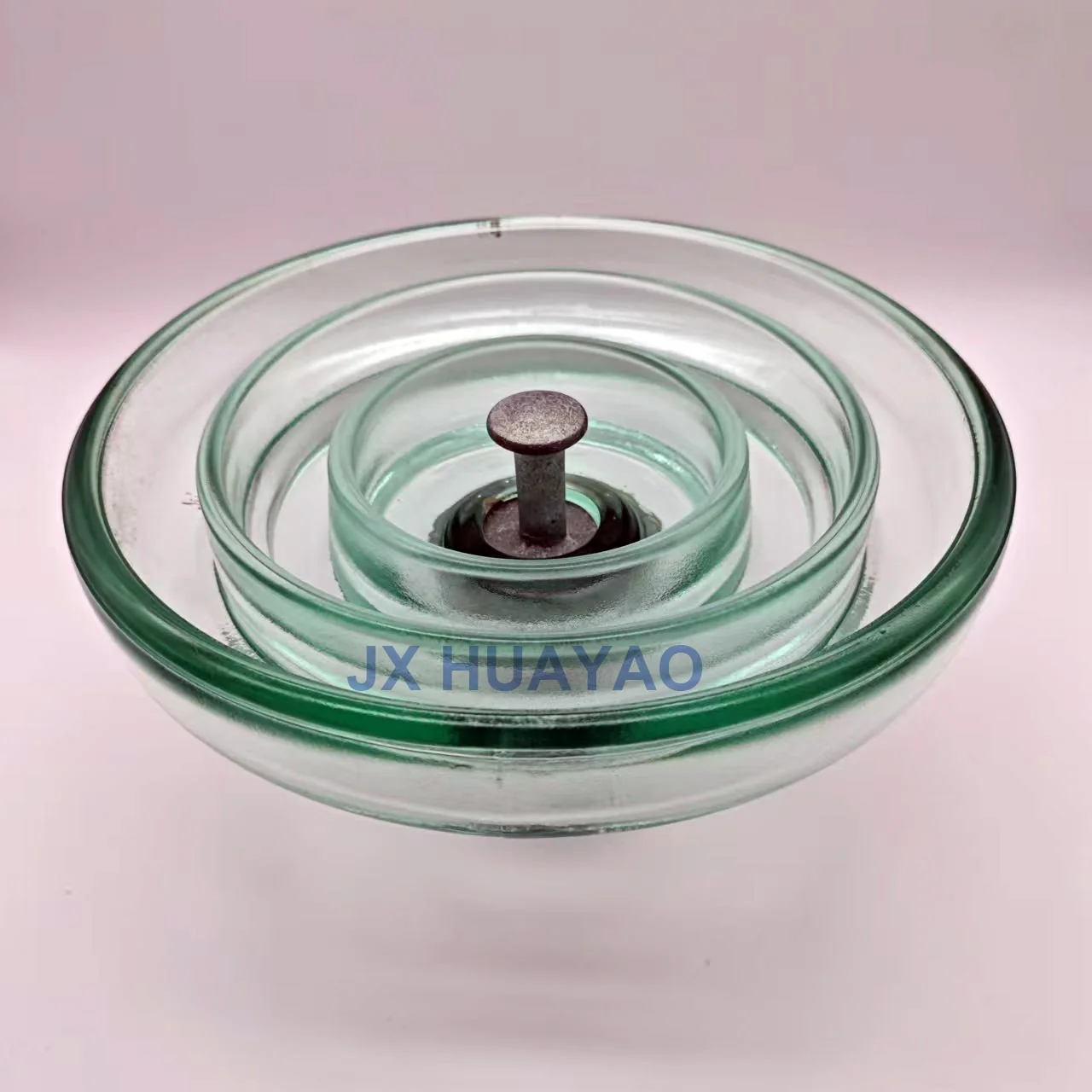
PSV160A 160kN EMS Anti Fog Type Corrosion Proof Disc Insulator Glass Type
View specifications →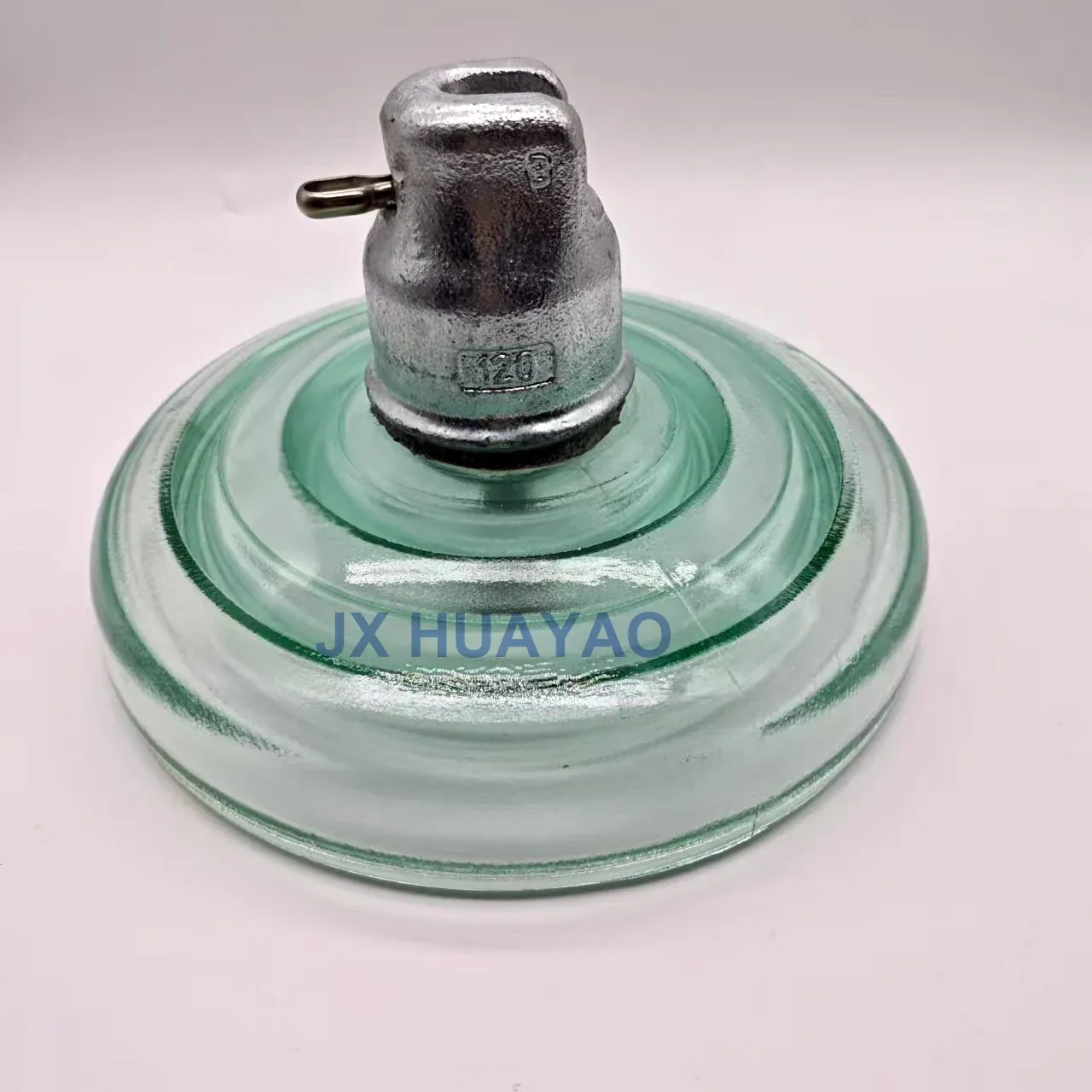
PSV120B 120kN EMS Anti Fog Type Corrosion Proof Disc Insulator Glass Type
View specifications →PSD70E 70kN EMS Anti Fog Type Corrosion Proof Disc Insulator Glass Type Type TYPE
View specifications →Quick Answers
Straight answers to the questions buyers ask before a first order.
What does this guide cover?
You stare at buzzing power lines and those glassy blobs, wondering if they’re fancy bird perches or secret lightning shields—and why no one explains it without a degree in electrical wizardry.
Who wrote this?
Jiangxi Huayao Electric Co., Ltd., a toughened glass and porcelain insulator manufacturer in Luxi County, Pingxiang City, Jiangxi Province, China.
Where can I get the matching product data?
Every type in the catalogue publishes failing load, routine test load, nominal diameter, unit spacing, creepage distance, coupling size and net weight.
Need The Numbers For Your Own Line?
Send the voltage, pollution class and specified load, and we will return the matching type codes with drawings.