
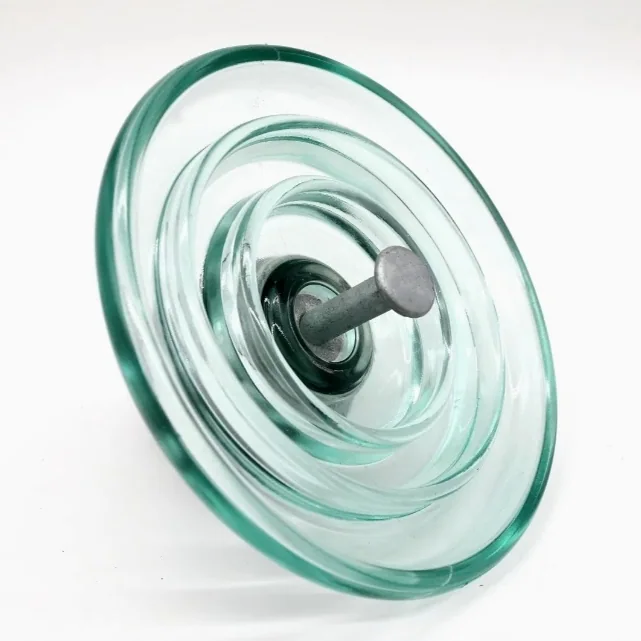
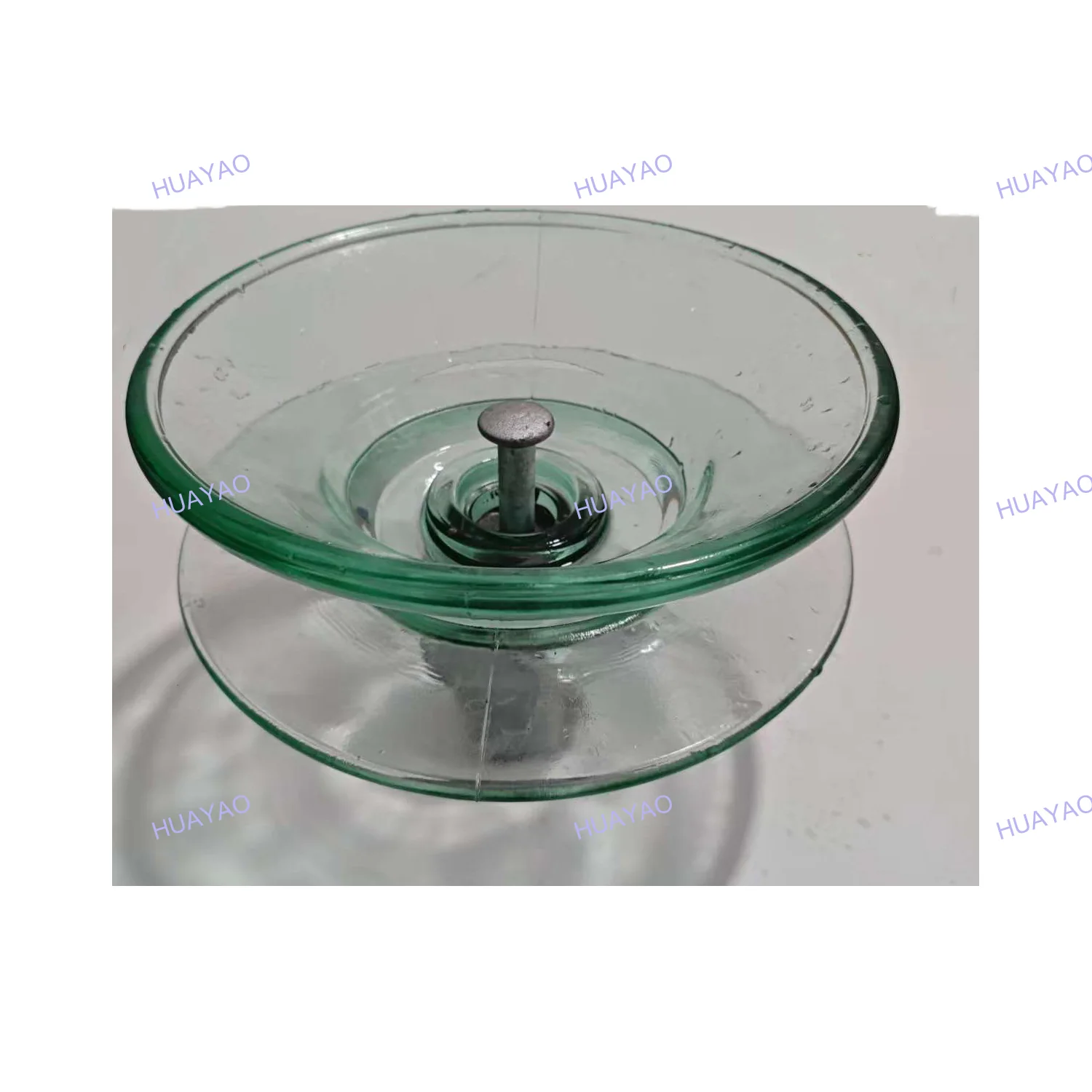
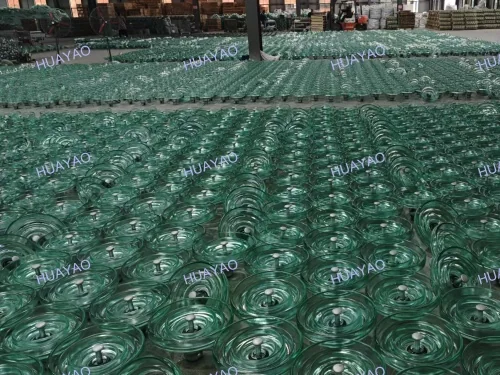
Common Failures of Glass Strain Insulators and Fixes
Your glass strain insulators keep failing, the line drops again, and you’re starting to think the birds are laughing at your hardware. Cracks, flashovers, and mystery breaks turn “routine maintenance” into a full‑time comedy show.
Your glass strain insulators keep failing, the line drops again, and you’re starting to think the birds are laughing at your hardware. Cracks, flashovers, and mystery breaks turn “routine maintenance” into a full‑time comedy show.
Stop the circus by choosing tougher insulator designs, improving installation practices, and tightening inspection schedules. Follow proven guidelines in the IEEE report on insulator reliability to cut failures, boost uptime, and keep your network calm.
⚡ Causes of Cracking and Chipping in Glass Strain Insulators
Glass strain insulators often fail due to small cracks, edge chips, and impact damage. Understanding root causes helps you plan targeted inspections and reduce unexpected outages.
By tracking where damage starts, you can set safe loading limits, improve handling in the yard, and choose stronger products such as modern toughened glass units.
1. Mechanical Overload from Conductor Tension
Excess line tension and broken conductors can overload sheds and caps, creating stress cracks near the pin and metal fittings.
Check design safety factors after reconductoring.
Inspect dead-end strings after storms.
Use stronger units for long spans.
2. Transport and Handling Impact
Improper stacking, dropping during unloading, and hard contact with steel parts often cause edge chipping before installation.
Use padded slings and proper pallets.
Reject units with deep edge chips.
Store pallets on flat, drained surfaces.
3. Thermal Shock and Rapid Cooling
Fast temperature swings, ice shedding, or hot contamination washing can cause micro-cracks and long-term strength loss.
4. Manufacturing and Material Defects
Poor annealing, internal stress, or inclusions may grow into visible cracks under service load and pollution.
Buy from tested, certified plants.
Request routine mechanical and thermal tests.
Track failures back to batch numbers.
🛠 Practical Field Repairs for Minor Surface Damage and Edge Defects
Not all chips mean instant replacement. With clear criteria and safe methods, you can repair minor defects and keep lines reliable.
Use field grading rules, basic tools, and good records to decide when a unit is safe to keep and when to replace it at once.
1. Visual Grading of Chips and Scratches
Line crews should classify damage by location, depth, and length to decide if an insulator remains fit for service.
2. Temporary Surface Sealing and Marking
For allowable minor chips, crews may smooth sharp edges and mark units for closer follow-up during the next patrol cycle.
File only loose glass flakes.
Never hide cracks with paint.
Record tower, phase, and position.
3. Data-Based Decision on Replacement
Use inspection data to focus replacements where damage is frequent, such as river crossings or highly polluted areas.
4. Safe String Isolation and Live-Line Work
When repairing or replacing a unit, always follow live-line or outage procedures to keep crews and equipment safe.
Use rated hot sticks and tools.
Maintain safe clearances.
Follow utility live-line standards.
🔍 Identifying Flashover Traces and Correcting Contamination-Related Failures
Flashover patterns and deposits tell you how contamination builds up and where cleaning or design changes are required.
Reading these signs helps you prevent repeat outages in coastal, desert, and industrial regions.
1. Reading Flashover Marks on Glass Surfaces
Burn marks, carbon paths, and rough tracks on the glass show where the arc traveled during a flashover event.
Check arc path length and direction.
Note wind and rain at outage time.
Compare phases for pattern trends.
2. Diagnosing Salt, Dust, and Industrial Pollution
Sticky, uneven layers of salt, dust, or soot lower surface resistance and increase the chance of flashover under wet conditions.
3. Cleaning, Coatings, and Design Upgrades
Use washing, RTV coatings, or higher creepage insulators to control contamination where routine cleaning is not enough.
Set washing cycles by ESDD data.
Apply RTV in heavy pollution.
Increase string length where needed.
🌧 Dealing with Moisture Ingress, Internal Bubbles, and Insulation Degradation
Water inside the glass or near fittings can lower strength and insulation level over time, especially under high voltage stress.
Routine checks and preventive replacement avoid sudden string failure during storms.
1. Detecting Internal Bubbles and Inclusions
Most bubbles are harmless, but large or clustered defects near stressed regions can grow and weaken the disc in service.
Inspect with strong backlight.
Record size and position of clusters.
Reject units with large edge bubbles.
2. Moisture Paths along Pins and Caps
Damaged cement or seal failures allow moisture paths, which may lead to corrosion and partial discharge near the core.
3. Testing and Long-Term Condition Assessment
Use infrared, corona cameras, and periodic sampling tests to rate remaining life and plan timely string renewal.
Spot-check strings on key corridors.
Trend leakage current vs. time.
Replace worst-performing batches.
🏭 When Replacement Is Necessary, Choose Huayao for Reliable Strain Insulators
When damage moves beyond minor repair, prompt replacement with quality products is the safest and most cost-effective choice.
Huayao offers high-strength glass insulators that resist cracking, pollution, and mechanical stress in modern transmission systems.
1. Matching Mechanical Rating and Line Design
Select insulators whose mechanical strength and creepage fit span length, climate, and pollution level for each project.
Review ruling span and safety factor.
Check pollution class and altitude.
Confirm hardware compatibility.
2. Proven Huayao Product Options
For new builds and upgrades, consider High voltage suspension 100 kN toughened glass insulator U100BL glass insulators , 210kN insulators U210BP Anti-Fog Suspension Electrical Glass Insulator , and High voltage suspension 70 kN electrical glass insulator U70BS glass insulators .
3. Service Life, Testing, and Documentation
Use manufacturer test reports, type tests, and traceable batch data to support asset management and utility audit needs.
Keep factory test certificates.
Link tower positions to batch IDs.
Review performance after storms.
Conclusion
Common failures of glass strain insulators start small, as chips, cracks, or pollution paths. With planned inspections and clear grading rules, you can manage these risks.
When field repairs are no longer enough, upgrading to reliable Huayao glass insulators improves safety, extends service life, and reduces long-term operating costs.
Frequently Asked Questions about glass strain insulator
1. When should I replace a chipped glass strain insulator?
Replace the unit if the chip is deep, reaches the pin area, or shows any visible cracking. Follow your utility’s written grading standard for final decisions.
2. Can I repair cracks on glass insulators with sealant?
No. Sealant can hide damage but cannot restore strength. Any insulator with a real crack, especially near the pin or cap, should be removed from service.
3. How often should I inspect glass strain insulators?
Most utilities inspect by ground once or twice a year and use detailed close-up or drone checks every few years in high-risk or polluted areas.
4. Are internal bubbles always a problem?
Small, isolated bubbles inside the glass body are usually acceptable. Large bubbles or clusters near the edge or pin zone justify more careful evaluation.
5. What causes flashover on otherwise good glass insulators?
Flashover usually comes from wet, dirty surfaces, salt, or industrial dust, not from the glass itself. Better cleaning, coatings, or longer strings often solve the issue.
Types You Can Order
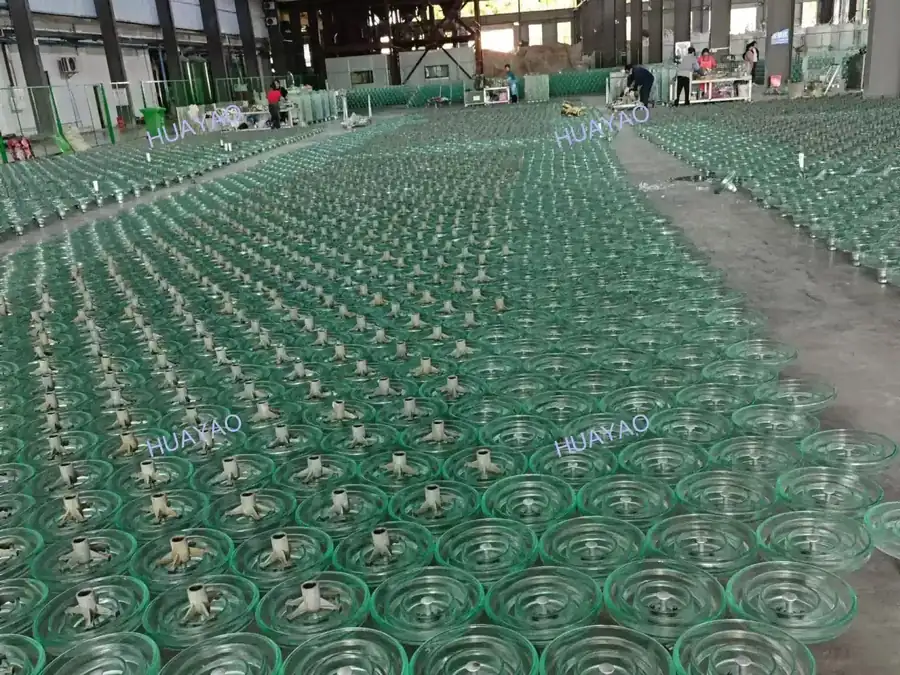
PSD70E 70kN EMS Anti Fog Type Corrosion Proof Disc Insulator Glass Type
View specifications →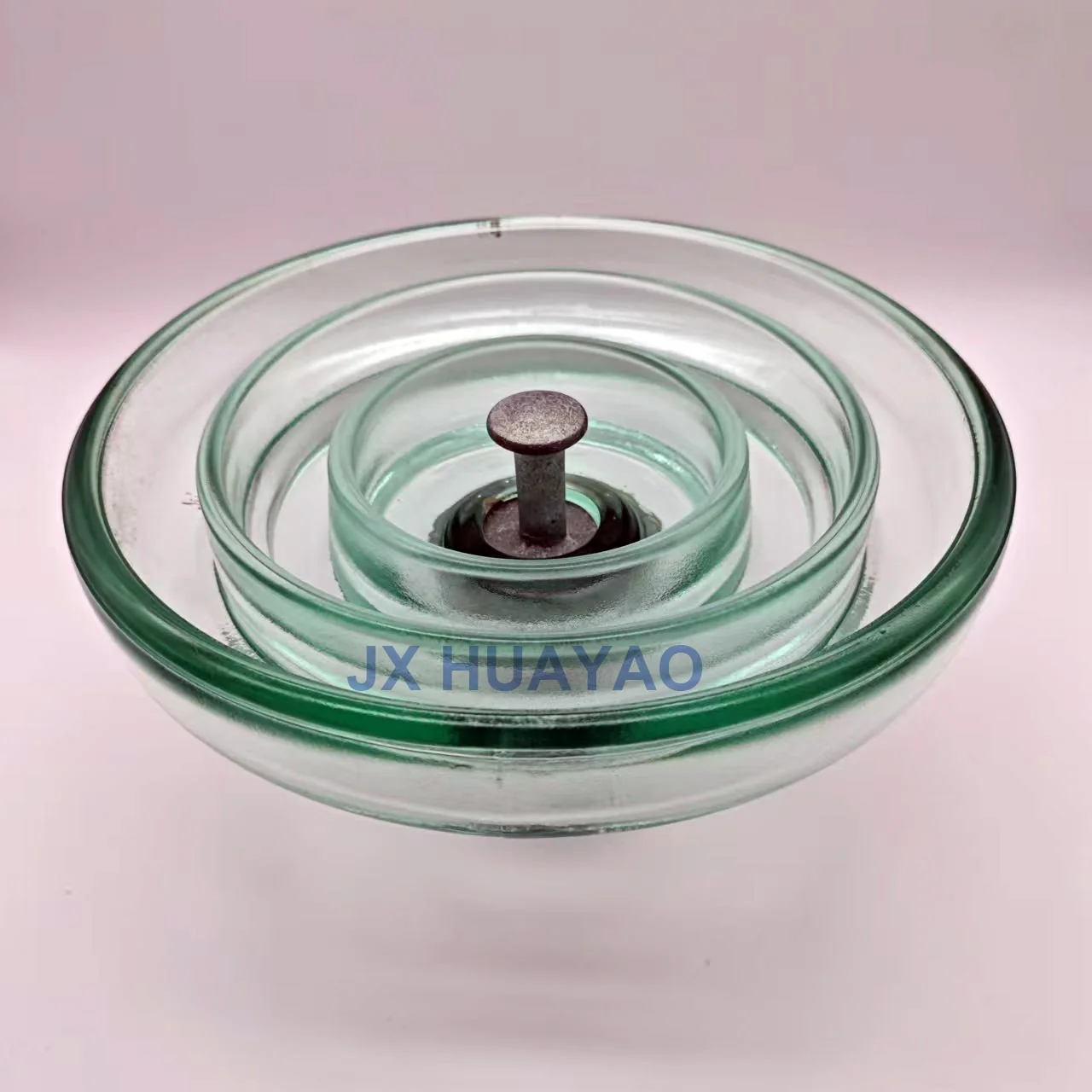
PSV160A 160kN EMS Anti Fog Type Corrosion Proof Disc Insulator Glass Type
View specifications →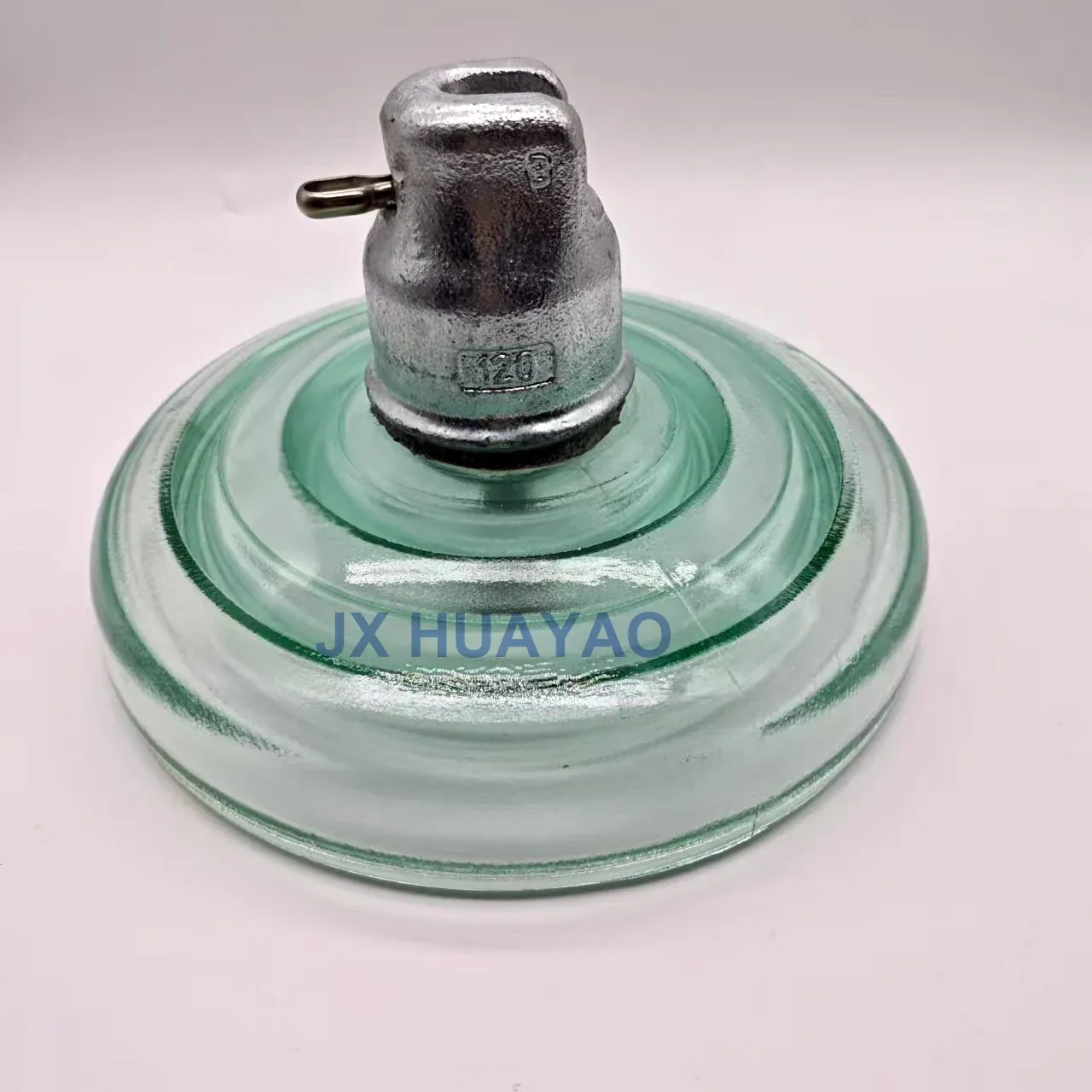
PSV120B 120kN EMS Anti Fog Type Corrosion Proof Disc Insulator Glass Type
View specifications →PSD70E 70kN EMS Anti Fog Type Corrosion Proof Disc Insulator Glass Type Type TYPE
View specifications →Quick Answers
Straight answers to the questions buyers ask before a first order.
What does this guide cover?
Your glass strain insulators keep failing, the line drops again, and you’re starting to think the birds are laughing at your hardware. Cracks, flashovers, and mystery breaks turn “routine maintenance” into a full‑time comedy show.
Who wrote this?
Jiangxi Huayao Electric Co., Ltd., a toughened glass and porcelain insulator manufacturer in Luxi County, Pingxiang City, Jiangxi Province, China.
Where can I get the matching product data?
Every type in the catalogue publishes failing load, routine test load, nominal diameter, unit spacing, creepage distance, coupling size and net weight.
Need The Numbers For Your Own Line?
Send the voltage, pollution class and specified load, and we will return the matching type codes with drawings.