What Powder Coating Is
Powder coating applies a dry pigmented powder electrostatically to a metal part, then cures it in an oven so it flows and cross-links into a continuous film. It produces a thicker, tougher film than most wet paints and puts no solvent into the air.
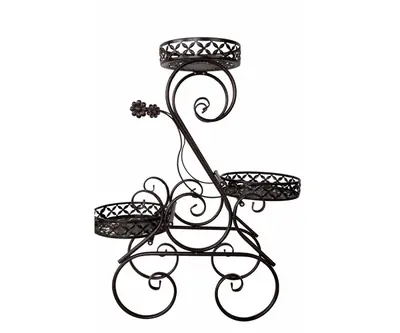
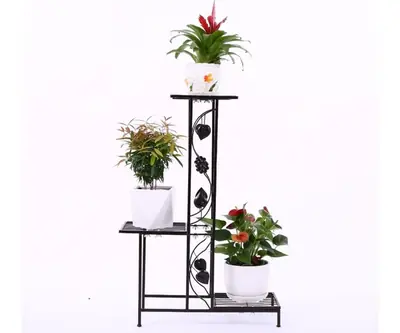
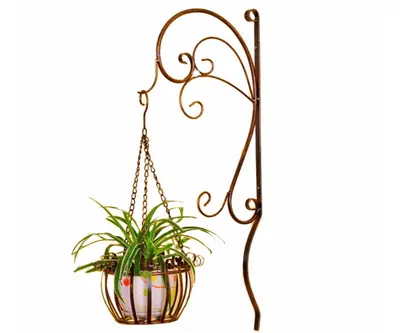
For garden and patio metalwork it is the standard finish because it takes handling, weather and UV better than a sprayed liquid coat at the same cost.
Preparation Decides The Result
Coating failure is almost always a preparation failure. Oil, scale, weld spatter and rust under the film will lift it later, no matter how good the powder is.
The usual route is degrease, then a mechanical or chemical clean, then a conversion coating or primer, then powder. Skipping a stage saves money on day one and costs the whole part in season two.
Where Coatings Fail On Welded Frames
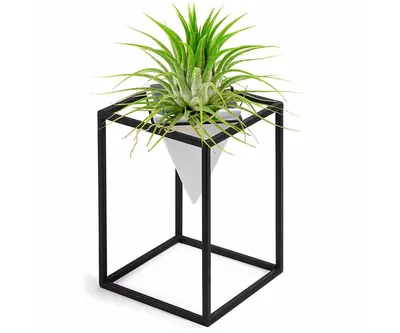
On a welded frame the weak points are the welds and the cut tube ends. Weld spatter leaves a rough surface that the film cannot cover evenly, and an unsealed tube end lets moisture inside the section where nothing is coated.
Dressing welds before coating and capping or sealing open tube ends are the two changes that make the biggest difference to outdoor life.
Specifying A Finish
The points worth writing down are: colour reference, gloss level, film thickness, whether the part is for indoor or outdoor use, and whether any adhesion or salt spray testing is required.
Texture matters too. A fine texture hides minor surface variation on formed steel far better than a high gloss smooth finish, which is why so much garden metalwork uses a matt or lightly textured black.
Care In Service
Wash with mild detergent and water — not solvent, not abrasive pads. Touch up chips promptly with an air-dry paint matched to the colour.
Where items are stored over winter, keep them dry and off bare concrete. Most corrosion on outdoor metalwork starts at a chip that spent a wet winter in contact with the ground.